




As a supplier of 60V batteries, I often get asked whether a 60V battery can be recycled. It's a question that's not only relevant for the environment but also for the future of battery technology and our industry. So, let's dive into this topic and find out the ins and outs of recycling 60V batteries.
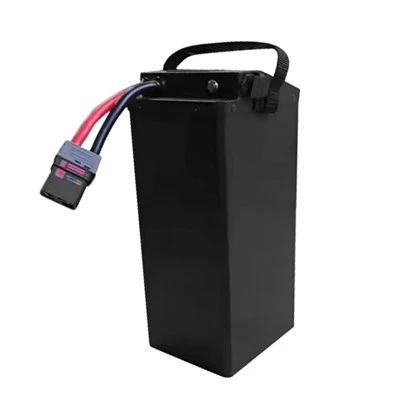
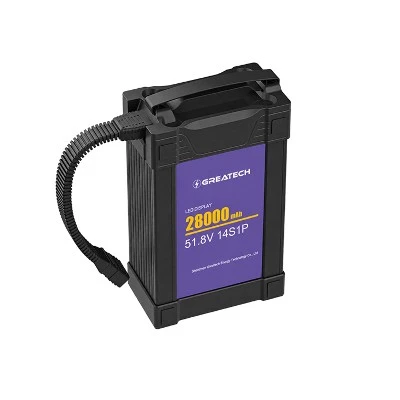
First off, what kind of 60V batteries are we talking about? In my business, I mainly deal with lithium - ion 60V batteries, which are super popular these days. You can check out some of our top - selling products like the 60V 50Ah Lithium Ion Power Battery, the 60V 20Ah Lithium Ion Power Battery, and the 60V 55Ah Lithium Ion Power Battery. These batteries are used in a variety of applications, from electric motorcycles to some heavy - duty power tools.
The short answer to whether a 60V battery can be recycled is yes. Lithium - ion batteries, including 60V ones, are indeed recyclable. But it's not as simple as just tossing them in a recycling bin like you would with a soda can. There are specific processes and challenges involved.
One of the main reasons we should recycle 60V lithium - ion batteries is to recover valuable materials. These batteries contain elements like lithium, cobalt, nickel, and manganese. Lithium is a key component in the battery's electrolyte, and it's becoming increasingly important as the demand for electric vehicles and renewable energy storage grows. Cobalt, on the other hand, is used in the cathode of the battery and is a relatively rare and expensive metal. By recycling these batteries, we can reduce our reliance on mining for these raw materials, which has its own set of environmental and social issues.
The recycling process for 60V lithium - ion batteries typically starts with collection. This can be a bit tricky because these batteries are often used in consumer products that are spread out. Some manufacturers and retailers have take - back programs where you can drop off your old batteries. There are also specialized recycling companies that focus on collecting and processing lithium - ion batteries.
Once the batteries are collected, they go through a series of steps. First, they are usually discharged to make them safer to handle. Then, they are shredded into small pieces. This shredding process breaks down the battery into its different components, like the cathode, anode, electrolyte, and casing.
After shredding, the next step is to separate these components. Different techniques are used for this, such as physical separation methods like sieving and magnetic separation, and chemical processes. Chemical processes are often used to dissolve the metals in the battery and then extract them through a series of reactions. For example, acids can be used to dissolve the metals, and then specific chemicals are added to precipitate out the desired metals like lithium, cobalt, and nickel.
However, there are some challenges in recycling 60V lithium - ion batteries. One of the biggest issues is safety. Lithium - ion batteries can be unstable, especially if they are damaged or not properly handled. They can catch fire or explode if they are short - circuited during the recycling process. So, strict safety protocols need to be in place at every stage of the recycling process.
Another challenge is the cost. Recycling lithium - ion batteries is currently more expensive than mining for new raw materials in some cases. This is due to the complex processes involved and the need for specialized equipment. But as the demand for these metals continues to rise and the technology for recycling improves, the cost is expected to come down.
From an environmental perspective, recycling 60V batteries is a no - brainer. When these batteries end up in landfills, they can pose a risk to the environment. The chemicals in the batteries can leach into the soil and groundwater, causing pollution. And as mentioned earlier, recycling helps conserve natural resources.


As a 60V battery supplier, I'm really committed to promoting battery recycling. We believe that it's our responsibility to not only provide high - quality batteries but also to ensure that they are disposed of and recycled in an environmentally friendly way. That's why we're constantly looking for ways to improve our products to make them more recyclable and to partner with recycling companies to make the process easier for our customers.
If you're in the market for 60V batteries, whether it's for your electric vehicle, power tool, or any other application, we've got you covered. Our 60V 50Ah Lithium Ion Power Battery, 60V 20Ah Lithium Ion Power Battery, and 60V 55Ah Lithium Ion Power Battery are all designed with performance and durability in mind. And when it comes time to replace them, we can help you understand the recycling options available.
If you're interested in learning more about our 60V batteries or have any questions about battery recycling, feel free to reach out. We're always happy to have a chat and discuss your specific needs. Whether you're a small business looking to power your equipment or an individual looking for a reliable battery for your personal use, we can provide you with the right solution.
In conclusion, 60V lithium - ion batteries can definitely be recycled, and it's an important part of the battery life cycle. By recycling these batteries, we can protect the environment, conserve natural resources, and contribute to a more sustainable future. So, if you're using 60V batteries, make sure you do your part and recycle them properly.
References
- Dunn, J. B., Gaines, L., & Sullivan, B. P. (2012). Opportunities and challenges for lithium - ion battery recycling. Journal of Industrial and Engineering Chemistry Research, 51(13), 4591 - 4602.
- Xu, K. (2004). Nonaqueous liquid electrolytes for lithium - based rechargeable batteries. Chemical Reviews, 104(10), 4303 - 4417.