




Hey there, fellow tech enthusiasts! I'm a supplier of 4s batteries, and I often get asked this question: Can I use a 4s battery in a toy robot? Well, let's dive right into this topic and find out.
First off, let's understand what a 4s battery is. A 4s battery, short for a 4 - series battery, typically has a nominal voltage of around 14.8V. This is because each cell in a lithium - polymer (LiPo) battery, which is a common type of 4s battery, has a nominal voltage of about 3.7V. When you connect four of these cells in series, you get 3.7V x 4 = 14.8V.
Now, why would someone want to use a 4s battery in a toy robot? The main advantage is power. Toy robots often need a good amount of energy to move around, operate their motors, and power any additional features like lights or sensors. A 4s battery can provide a relatively high voltage and capacity, which means longer run - times and more power for the robot's functions.
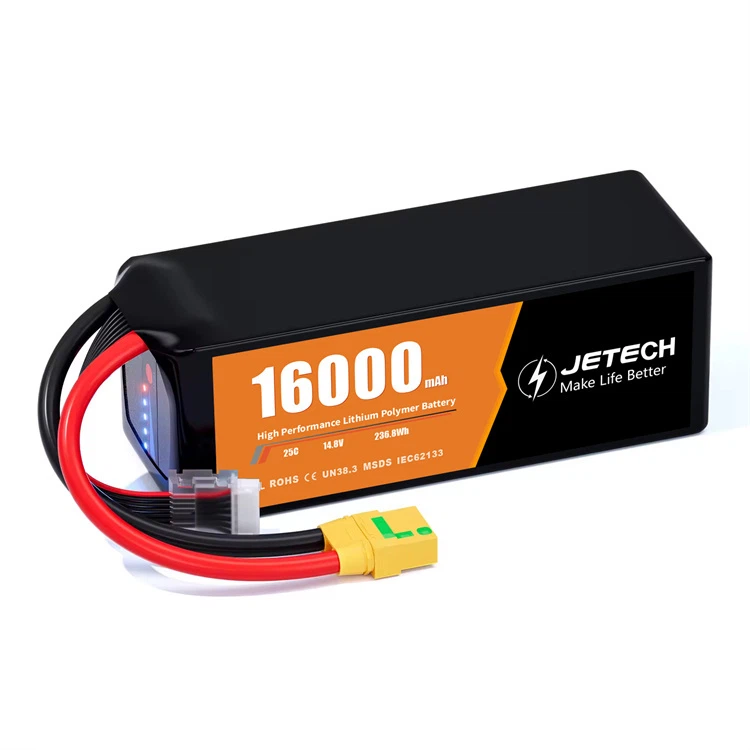
Let's take a look at some of the 4s batteries we offer. We have the 14.8V 16000mAh Lipo Battery, which has a decent capacity. This means that your toy robot can keep running for a longer period without needing a recharge. If you're looking for something a bit smaller, we also have the 14.8V 10000mAh Lipo Battery. It's more compact and might be a better fit for smaller toy robots. And for those who need a really high - capacity option, our 14.8V 22000mAh Lipo Battery is the way to go.
But before you rush out and buy a 4s battery for your toy robot, there are a few things you need to consider.
Compatibility
The first and most important thing is compatibility. Not all toy robots are designed to handle a 14.8V battery. Some robots are built to work with lower voltages, like 7.4V (a 2s battery) or even 3.7V (a single - cell battery). If you use a 4s battery in a robot that's not designed for it, you could damage the robot's electronics. The high voltage might cause components to overheat, burn out, or malfunction.
To check compatibility, you need to look at the robot's specifications. Most toy robots come with a manual that lists the recommended battery voltage and type. If the manual says the robot can handle up to 14.8V, then you're good to go. If not, you'll either need to find a different battery or see if there's a way to modify the robot to handle the higher voltage.
Physical Size
Another factor to consider is the physical size of the battery. 4s batteries come in different shapes and sizes, and you need to make sure the battery will fit inside the robot's battery compartment. Some toy robots have very limited space for the battery, so you might need to choose a battery that's small enough to fit.
Weight
The weight of the battery can also affect the performance of the toy robot. A heavier battery can make the robot slower and less maneuverable. If your robot is designed to be lightweight and agile, a heavy 4s battery might not be the best choice. You'll need to find a balance between the power you need and the weight the robot can handle.

Charging
4s batteries require a special charger that's designed for LiPo batteries. You can't just use any old charger. The charger needs to be able to handle the 14.8V voltage and charge the battery safely. Overcharging a LiPo battery can be dangerous, as it can cause the battery to swell, catch fire, or even explode. So, make sure you have a proper charger before you start using a 4s battery in your toy robot.
Safety
Safety is always a top priority when it comes to batteries. LiPo batteries are generally safe if used and maintained correctly, but they do require some extra care. You should always store LiPo batteries in a fire - proof container, and never leave them charging unattended. If you notice any signs of damage, like a swollen battery or a damaged wire, don't use the battery.
So, can you use a 4s battery in a toy robot? The answer is maybe. It depends on the robot's compatibility, the physical size and weight requirements, and your ability to handle the charging and safety aspects.
If you're still not sure whether a 4s battery is right for your toy robot, feel free to reach out to us. We're here to help you make the right decision. Whether you're a hobbyist building your own toy robot or a manufacturer looking for a reliable battery supplier, we can provide you with the information and products you need.
We've been in the battery business for a while, and we know how important it is to have a high - quality battery that works well with your device. Our 4s batteries are tested and certified to meet the highest standards of quality and safety.
If you're interested in purchasing our 4s batteries for your toy robots or any other applications, just let us know. We can discuss your specific needs, offer you the best options, and help you with any technical questions you might have.
In conclusion, using a 4s battery in a toy robot can be a great way to boost its performance, but it's not a one - size - fits - all solution. Make sure you do your research, check the compatibility, and take all the necessary safety precautions. And if you have any questions, don't hesitate to contact us. We're looking forward to working with you!
References
- Battery University: A great resource for all things related to batteries, including LiPo batteries.
- Toy robot manuals: Always refer to the manufacturer's manual for specific information about your toy robot's battery requirements.


