




Hey there! As a 3s battery supplier, I've seen firsthand how temperature can have a huge impact on battery performance. In this blog, I'm gonna break down exactly how temperature affects a 3s battery and what you need to know to get the most out of it.
Let's start with the basics. A 3s battery, short for a three - cell lithium - polymer (LiPo) battery, has a nominal voltage of 11.1V. These batteries are super popular in a bunch of applications, like drones, RC cars, and some portable electronic devices. They're known for their high energy density and relatively lightweight, which makes them perfect for powering things that need to be mobile.
Temperature and Battery Capacity
One of the most noticeable effects of temperature on a 3s battery is its impact on capacity. Battery capacity is basically how much energy the battery can store, and it's usually measured in milliampere - hours (mAh).
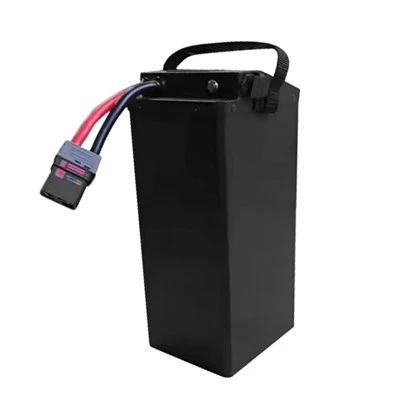
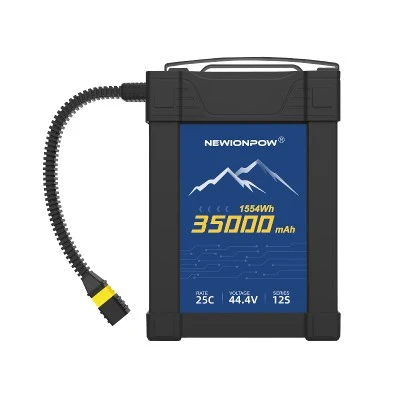
When the temperature drops, the chemical reactions inside the battery slow down. This means that the battery can't release as much energy as it can at normal temperatures. For example, if you have an 11.1V 6000mAh Lipo Battery and you use it in cold weather, say around freezing point (0°C or 32°F), you might find that it only delivers around 80% or even less of its rated capacity. That's a significant drop!
On the flip side, when it's really hot, the battery capacity can also be affected, but in a different way. High temperatures can cause the battery to self - discharge faster. Self - discharge is when the battery loses its charge even when it's not being used. So, if you leave your 11.1V 5000mAh Lipo Battery in a hot car on a sunny day, it might lose a fair amount of its charge by the time you get back to it.
Voltage Output
Temperature also plays a big role in the voltage output of a 3s battery. The nominal voltage of a 3s LiPo battery is 11.1V, but the actual voltage can fluctuate depending on the temperature.
In cold conditions, the internal resistance of the battery increases. This resistance restricts the flow of current, which in turn causes the voltage to drop more quickly under load. So, if you're using your battery to power a high - drain device, like a powerful drone motor, the voltage might dip below the level needed to keep the device running smoothly.
In hot weather, the battery voltage can initially increase slightly. But this is not a good thing in the long run. The increased voltage can put extra stress on the connected devices, potentially damaging them. And over time, high temperatures can also lead to a permanent decrease in the battery's voltage output as the battery chemistry degrades.
Charge and Discharge Rates
The charge and discharge rates of a 3s battery are also affected by temperature. The charge rate is how quickly you can safely charge the battery, and the discharge rate is how quickly the battery can release its energy.
When it's cold, you need to reduce the charge rate. Charging a battery too quickly in cold temperatures can cause lithium plating on the battery electrodes. Lithium plating is a dangerous condition that can lead to short - circuits and even fires. So, if you try to charge your 11.1V 10000mAh Lipo Battery at its normal rate in cold weather, you're taking a big risk.
As for the discharge rate, in cold temperatures, the battery can't deliver power as quickly. This is a problem if you're using the battery in a device that requires a high - power output, like an RC racing car. The car might not be able to reach its top speed or perform as well as it does at normal temperatures.
In hot weather, the battery can handle higher charge and discharge rates to some extent. But again, this comes with risks. High temperatures can cause the battery to overheat during charging and discharging, which can lead to a shorter battery life and potential safety hazards.
Battery Lifespan
Temperature has a major impact on the lifespan of a 3s battery. Repeated exposure to extreme temperatures can significantly reduce how long the battery will last.
Cold temperatures can cause physical damage to the battery cells. The expansion and contraction of the battery materials due to temperature changes can lead to cracks in the electrodes and separators. These cracks can cause internal short - circuits and reduce the overall performance of the battery over time.
High temperatures are even more harmful. The heat accelerates the chemical degradation of the battery. The electrolyte inside the battery can break down, and the electrodes can lose their ability to store and release lithium ions efficiently. This means that the battery will lose its capacity more quickly and will need to be replaced sooner.
Tips for Using 3s Batteries in Different Temperatures
So, what can you do to make sure your 3s batteries perform well in different temperatures?
Cold Weather:
- Keep your batteries warm before use. You can use battery warmers or just keep them in an insulated container close to your body to keep them at a reasonable temperature.
- Reduce the charge rate. Follow the manufacturer's recommendations for charging in cold conditions.
- Don't expect the same level of performance as in normal temperatures. Plan your activities accordingly.
Hot Weather:
- Avoid leaving your batteries in direct sunlight or in hot environments for long periods.
- Use a battery cooler or a well - ventilated storage area to keep the battery temperature down.
- Monitor the battery temperature during charging and discharging. If it gets too hot, stop and let it cool down.
Conclusion
As a 3s battery supplier, I know how important it is for you to understand how temperature affects your batteries. Whether you're using a 11.1V 6000mAh Lipo Battery, a 11.1V 5000mAh Lipo Battery, or a 11.1V 10000mAh Lipo Battery, temperature can have a huge impact on its performance, capacity, and lifespan.
If you have any questions about our 3s batteries or need advice on how to use them in different temperatures, don't hesitate to reach out. We're here to help you get the most out of your batteries. Whether you're a hobbyist or a professional, we've got the right battery solutions for you. Contact us today to start a conversation about your battery needs!


References
- Linden, D., & Reddy, T. B. (2002). Handbook of Batteries. McGraw - Hill.
- Chen, Z., Liu, X., & Yang, J. (2019). Temperature effects and thermal impact in lithium - ion batteries. Progress in Energy and Combustion Science.