





Hey there! As a supplier of lipo batteries, I often get asked about how to calculate the maximum discharge current of a lipo battery. It's a crucial question, especially for those who rely on these batteries for high - performance applications. So, let's dive right in and break it down.
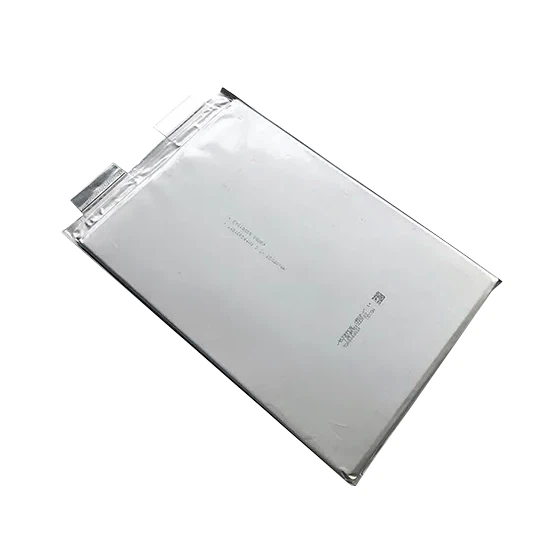
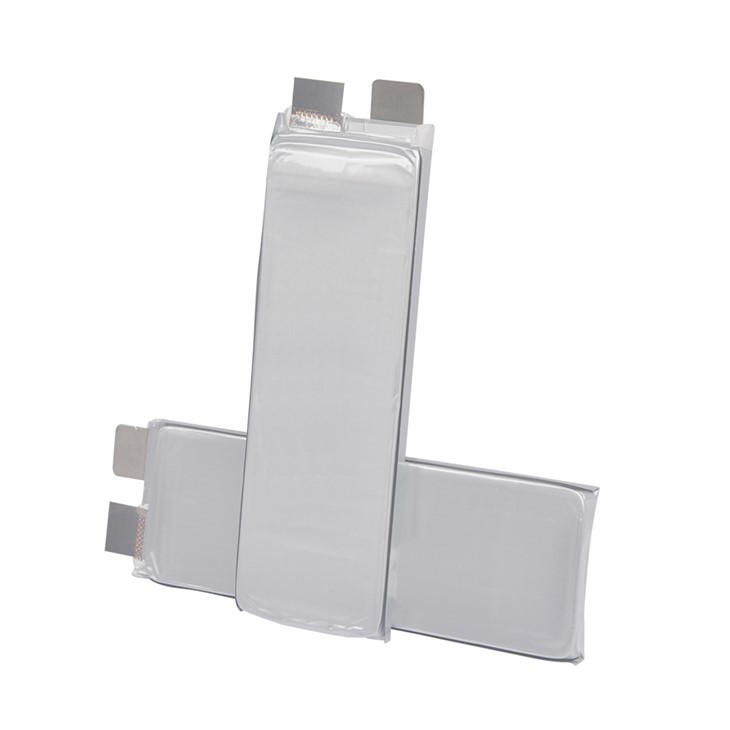
First off, what exactly is a lipo battery? Well, a lithium - polymer (lipo) battery is a rechargeable battery that uses a polymer electrolyte instead of a liquid one. They're known for their high energy density, lightweight design, and ability to deliver high currents. That's why they're super popular in RC cars, drones, and other high - power devices.
Now, to calculate the maximum discharge current of a lipo battery, you need to know two key things: the capacity of the battery and its C - rating.
Understanding Battery Capacity
The capacity of a lipo battery is usually measured in ampere - hours (Ah) or milliampere - hours (mAh). It tells you how much charge the battery can store. For example, a 3.7V 5Ah Lipo Battery can supply a current of 5 amperes for one hour, or 1 ampere for 5 hours. Similarly, a 3.7V 37000mAh Lipo Battery (which is equivalent to 37Ah) can provide a lot more charge.
What is the C - rating?
The C - rating is a measure of how fast a battery can be discharged safely. It's expressed as a multiple of the battery's capacity. For instance, if a battery has a C - rating of 10C, it means it can be discharged at a rate of 10 times its capacity.
The Calculation
The formula to calculate the maximum discharge current (I) of a lipo battery is pretty straightforward:
[I = C\times Capacity]
where (C) is the C - rating and (Capacity) is the battery's capacity in amperes.
Let's take an example. Suppose you have a 3.7V 16Ah 20C High Rate Polymer Battery Soft Pack Lithium. Here, the capacity is 16Ah and the C - rating is 20C. Using the formula, the maximum discharge current is:
[I=20\times16 = 320A]
This means that this battery can safely supply a current of up to 320 amperes.
Why is it important to calculate the maximum discharge current?
Calculating the maximum discharge current is crucial for several reasons.
Safety
If you try to draw more current from a battery than its maximum discharge current, it can overheat, swell, or even catch fire. This is extremely dangerous, especially in applications like drones or RC cars where the battery is in close proximity to other components.
Performance
Using a battery with a lower maximum discharge current than required can lead to poor performance. For example, in an RC car, the motor may not receive enough power, resulting in slower speeds and reduced acceleration.
Factors Affecting the Maximum Discharge Current
While the C - rating gives you a good estimate of the maximum discharge current, there are other factors that can affect it in real - world scenarios.
Temperature
Lipo batteries perform best at moderate temperatures. In cold temperatures, the internal resistance of the battery increases, which reduces the maximum discharge current. On the other hand, in very hot temperatures, the battery can degrade faster, and there's also a risk of overheating.
Age and Usage
As a lipo battery ages or is used more frequently, its performance can decline. The internal resistance may increase, and the maximum discharge current may decrease.
Battery Quality
The quality of the battery also plays a role. High - quality lipo batteries are designed to maintain their performance over a longer period and can usually handle higher discharge currents more safely.
Tips for Working with Lipo Batteries
Here are some tips to ensure you're using your lipo batteries safely and effectively:
- Use a Compatible Charger: Always use a charger that's designed for lipo batteries. Overcharging can be just as dangerous as over - discharging.
- Store Properly: Store your lipo batteries in a cool, dry place. You can also use a lipo storage bag to reduce the risk of fire in case of a malfunction.
- Monitor the Voltage: Keep an eye on the battery voltage during use. Most lipo batteries should not be discharged below 3V per cell.
Conclusion
Calculating the maximum discharge current of a lipo battery is essential for both safety and performance. By understanding the battery's capacity and C - rating, you can make sure you're using the battery within its safe limits.
If you're in the market for high - quality lipo batteries, we've got you covered. We offer a wide range of lipo batteries with different capacities and C - ratings to suit your specific needs. Whether you're into RC hobbies or need a reliable power source for your industrial applications, our batteries are designed to deliver.
If you're interested in purchasing our lipo batteries or have any questions about our products, feel free to reach out. We're always happy to help you find the right battery for your project and discuss the best options for your requirements.
References
- Battery University: A great resource for in - depth information about battery technology.
- RC forums: There are many RC enthusiasts who share their experiences and knowledge about lipo batteries.


