


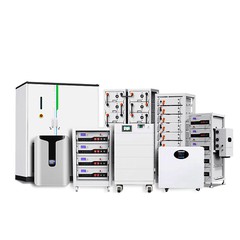


A swollen 24V 500Ah battery can be a concerning issue for many users. As a supplier of [Product Type] such as the 24V 500Ah Battery, we understand that this problem needs to be addressed promptly and correctly to ensure the safety and longevity of your battery system. In this blog post, we'll explore the causes of battery swelling, how to deal with it, and preventive measures to avoid future occurrences.


Understanding the Causes of Battery Swelling
Before discussing how to deal with a swollen battery, it's essential to understand why it happens. A 24V 500Ah battery, typically a lead - acid or lithium - ion type, can swell due to several reasons:
Overcharging
One of the most common causes of battery swelling is overcharging. When a battery is charged beyond its recommended voltage and state of charge, excessive heat is generated, and gas is produced inside the battery cells. This gas builds up pressure, causing the battery casing to expand or swell. Regularly charging the battery at a higher voltage than specified can also lead to accelerated degradation of the battery plates and electrolyte, further contributing to the swelling.
High Temperatures
Exposure to high temperatures can also cause a battery to swell. Batteries are sensitive to heat, and when they are operated in a hot environment or during high - current discharge or charge cycles that generate a lot of heat, the internal components of the battery can expand. For lead - acid batteries, high temperatures can increase the rate of self - discharge and cause the electrolyte to evaporate, leading to swelling. In lithium - ion batteries, high heat can trigger chemical reactions that produce gas and cause the battery to bulge.
Internal Short Circuits
An internal short circuit within the battery can cause a sudden increase in current flow, leading to excessive heat generation. This heat can cause the battery to expand rapidly. Internal short circuits can be caused by manufacturing defects, physical damage to the battery, or the growth of dendrites (tiny metal filaments) in lithium - ion batteries over time.
Dealing with a Swollen 24V 500Ah Battery
Safety First
The first step when dealing with a swollen battery is to ensure your safety. Swollen batteries can be unstable and may leak corrosive electrolyte or even explode in extreme cases. Wear appropriate personal protective equipment (PPE), including gloves and safety goggles, when handling a swollen battery.
Isolate the Battery
Immediately disconnect the battery from any power source or load to prevent further damage and reduce the risk of fire or explosion. If the battery is part of a larger battery bank, isolate it from the other batteries to prevent the problem from spreading.
Inspection
Once the battery is isolated, carefully inspect it for any signs of damage or leakage. Look for cracks in the casing, bulges, or any visible signs of electrolyte leakage. If you notice any electrolyte leakage, avoid direct contact with it as it can be corrosive and harmful to your skin and eyes.
Assessment of Damage
Based on the inspection, assess the extent of the damage to the battery. A slightly swollen battery may still be salvageable, while a severely swollen or damaged battery should be replaced immediately. If you're unsure, it's best to consult with a professional battery technician.
Disposal or Repair
- Disposal: If the battery is severely swollen, has leaked electrolyte, or shows signs of internal damage, it should be disposed of properly. Contact your local hazardous waste disposal facility or a recycling center that accepts batteries. Never dispose of a swollen battery in the regular trash.
- Repair: In some cases, a slightly swollen battery may be repairable. However, this should only be attempted by a trained professional. For lead - acid batteries, adding distilled water to replace any lost electrolyte and equalizing the charge may be possible solutions. For lithium - ion batteries, repair is more complex and often not recommended due to the high risk involved.
Preventive Measures
Proper Charging
- Use a Compatible Charger: Always use a charger that is specifically designed for your 24V 500Ah battery. Chargers have different charging profiles, and using the wrong charger can lead to overcharging and battery swelling.
- Follow Charging Instructions: Read and follow the manufacturer's charging instructions carefully. This includes the recommended charging voltage, current, and charge time.
- Avoid Overcharging: Use chargers with built - in charge controllers to prevent overcharging. Some advanced chargers can detect the battery's state of charge and automatically adjust the charging current to avoid overcharging.
Temperature Control
- Proper Ventilation: Ensure that the battery is installed in a well - ventilated area. Good ventilation helps to dissipate heat generated during charging and discharging, preventing the battery from overheating.
- Temperature Monitoring: Use temperature sensors to monitor the battery's temperature during operation. If the temperature exceeds the recommended range, take steps to cool the battery, such as reducing the charge or discharge rate.
Regular Maintenance
- Inspection: Regularly inspect the battery for any signs of damage, swelling, or leakage. Catching problems early can prevent them from escalating.
- Cleaning: Keep the battery terminals clean and free of corrosion. Corroded terminals can cause increased resistance, leading to overheating and potential battery damage.
Our Product Range
As a leading supplier, we offer a variety of high - quality batteries, including the 24V 500Ah Battery, 24V 100Ah Battery, and 24V 150Ah Battery. Our batteries are designed with advanced technology to ensure long - term reliability and performance.
Contact Us for Procurement
If you're in the market for high - quality 24V batteries, we invite you to contact us for procurement. Our team of experts can provide you with detailed information about our products, help you choose the right battery for your needs, and offer professional advice on battery maintenance and usage.
References
- Linden, D., & Reddy, T. B. (2002). Handbook of Batteries. McGraw - Hill.
- Gregory, T. (2011). Battery Management Systems: Design by Modelling. Wiley.


