


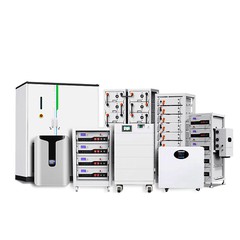



Financing an energy storage system project can be a complex yet rewarding endeavor. As a seasoned energy storage system supplier, I've witnessed firsthand the challenges and opportunities that come with funding these crucial projects. In this blog, I'll share some valuable insights on how to finance an energy storage system project, drawing from my years of experience in the industry.
Understanding the Costs of Energy Storage Systems
Before delving into financing options, it's essential to have a clear understanding of the costs associated with energy storage systems. These costs can vary significantly depending on factors such as the type of battery technology, system capacity, and installation requirements.
For instance, a 48V 24Ah Lithium Ion Battery is a popular choice for many energy storage applications due to its high energy density and long cycle life. However, the upfront cost of such a battery can be relatively high compared to other options. On the other hand, a 12V 30Ah LiFePO4 Lithium Battery may be more affordable but may have lower energy density and shorter cycle life.


In addition to the cost of the batteries themselves, there are also other expenses to consider, such as the cost of inverters, chargers, and installation. These costs can add up quickly, especially for larger energy storage systems.
Identifying Financing Options
Once you have a clear understanding of the costs involved, the next step is to identify the financing options available to you. Here are some common financing options for energy storage system projects:
1. Self - Financing
Self - financing is an option where you use your own funds to finance the project. This can be a viable option if you have sufficient capital on hand and are confident in the long - term return on investment of the energy storage system. However, self - financing may not be feasible for everyone, especially for larger projects that require a significant amount of capital.
2. Bank Loans
Bank loans are a traditional financing option for energy storage system projects. Banks may offer commercial loans, equipment loans, or lines of credit to finance the purchase and installation of energy storage systems. To qualify for a bank loan, you typically need to have a good credit history, a solid business plan, and sufficient collateral. The interest rates and repayment terms of bank loans can vary depending on the lender and your creditworthiness.
3. Grants and Incentives
Many governments and organizations offer grants and incentives to promote the adoption of energy storage systems. These grants can help offset the upfront costs of the project and make it more financially viable. For example, some states offer rebates for installing energy storage systems, while the federal government may provide tax credits for certain types of energy storage technologies. It's important to research and apply for these grants and incentives early in the project planning process.
4. Power Purchase Agreements (PPAs)
A Power Purchase Agreement is a contract between an energy storage system owner and a buyer, typically a utility or a large energy consumer. Under a PPA, the buyer agrees to purchase the electricity generated or stored by the energy storage system at a predetermined price over a specified period of time. This can provide a stable revenue stream for the project and help finance the upfront costs.
5. Energy Storage Investment Funds
There are also specialized energy storage investment funds that focus on financing energy storage projects. These funds pool money from multiple investors and use it to invest in energy storage systems. By investing in these funds, you can gain exposure to the energy storage market without having to directly finance a single project.
Developing a Business Case
Regardless of the financing option you choose, it's crucial to develop a strong business case for your energy storage system project. A well - developed business case should include the following elements:
1. Project Overview
Provide a detailed overview of the energy storage system project, including the location, size, and type of battery technology. Explain the purpose of the project, such as peak shaving, load shifting, or backup power.
2. Cost Analysis
Conduct a comprehensive cost analysis that includes the upfront costs of the equipment, installation, and maintenance, as well as the ongoing operating costs. Compare the costs of different battery technologies and financing options to determine the most cost - effective solution.
3. Revenue Projections
Estimate the potential revenue streams from the energy storage system, such as selling electricity back to the grid, participating in demand response programs, or providing ancillary services. Consider factors such as electricity prices, market demand, and regulatory policies when making these projections.
4. Risk Assessment
Identify and assess the potential risks associated with the project, such as technical risks, market risks, and regulatory risks. Develop strategies to mitigate these risks and ensure the long - term success of the project.
Working with a Professional Team
Financing an energy storage system project can be a complex process, and it's often beneficial to work with a professional team. This team may include energy consultants, financial advisors, lawyers, and engineers.
Energy consultants can help you evaluate different energy storage technologies and determine the most suitable solution for your project. Financial advisors can assist you in developing a financing strategy, preparing a business plan, and negotiating with lenders or investors. Lawyers can review and draft contracts, ensure compliance with regulatory requirements, and protect your legal interests. Engineers can design and oversee the installation of the energy storage system to ensure its proper functioning.
Conclusion
Financing an energy storage system project requires careful planning, research, and a clear understanding of the available options. By understanding the costs involved, identifying the right financing option, developing a strong business case, and working with a professional team, you can increase the likelihood of successfully financing your energy storage system project.
If you're interested in learning more about our energy storage systems or discussing financing options for your project, I encourage you to reach out. We're here to help you navigate the complex world of energy storage financing and find the best solution for your needs.
References
- DOE. (2023). Energy Storage Basics. U.S. Department of Energy.
- IEA. (2023). Global Energy Storage Outlook. International Energy Agency.
- NREL. (2023). Energy Storage Technologies and Projects. National Renewable Energy Laboratory.


