


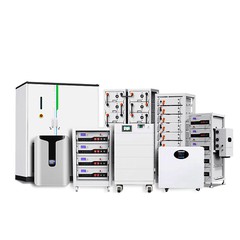


Hey there! As a 24V battery supplier, I often get asked if 24V batteries are safe to use. Well, let's dive right into this topic and clear up any concerns you might have.
First off, what exactly is a 24V battery? Simply put, it's a power source that provides an electrical potential difference of 24 volts. These batteries come in various shapes, sizes, and chemistries, such as lead - acid, lithium - ion, and nickel - metal hydride. Each type has its own characteristics, but today we'll focus on the safety aspect across the board.
Let's start with the good news. Generally speaking, 24V batteries are relatively safe to use. One of the main reasons is the voltage level. Compared to higher - voltage systems, 24V is considered a low - voltage range. In most electrical safety standards, voltages below 50V are classified as extra - low voltage (ELV). This means that under normal circumstances, the risk of electric shock is significantly reduced. For instance, if you accidentally come into contact with the terminals of a 24V battery, the current that could flow through your body is usually not enough to cause serious harm.
However, that doesn't mean we can be completely careless. There are still some safety factors we need to pay attention to.
Chemical Hazards
If you're dealing with lead - acid 24V batteries, like our 24V 100Ah Battery, 24V 300Ah Battery, and 24V 150Ah Battery, they contain sulfuric acid. Sulfuric acid is a highly corrosive substance. If the battery case is damaged and the acid leaks out, it can cause severe burns to the skin and eyes. So, when handling these batteries, it's crucial to wear appropriate protective gear, like gloves and goggles. Also, make sure to store the batteries in a well - ventilated area to prevent the build - up of hydrogen gas, which is produced during the charging process. Hydrogen is highly flammable, and a spark could lead to an explosion.
Overcharging and Overdischarging
Overcharging and overdischarging are two common issues that can affect the safety and lifespan of 24V batteries. When a battery is overcharged, it can generate excessive heat and gas. This can cause the battery to swell, leak, or even explode in extreme cases. On the other hand, overdischarging can damage the battery's internal structure, reducing its capacity and performance. To avoid these problems, it's essential to use a proper charger that is designed for 24V batteries. A good charger will have built - in protection mechanisms to prevent overcharging and will also provide the right amount of current during the charging process.
Physical Damage
Physical damage to the battery can also pose a safety risk. Dropping the battery, puncturing it, or subjecting it to extreme temperatures can compromise its integrity. For example, if the battery's internal separator is damaged, it can cause a short - circuit. A short - circuit can lead to a rapid increase in temperature and potentially start a fire. So, when transporting and storing 24V batteries, be careful not to damage them. And if you notice any signs of physical damage, like cracks or dents, don't use the battery and replace it immediately.
Installation and Use
Proper installation is key to ensuring the safety of 24V batteries. Make sure the connections are tight and clean. Loose connections can cause arcing, which is a source of heat and can lead to a fire. Also, follow the manufacturer's instructions when installing the battery. For example, some batteries need to be installed in a specific orientation to prevent electrolyte leakage.
When using 24V batteries in your applications, make sure the equipment is compatible with the battery's voltage and capacity. Using a battery with the wrong specifications can not only damage the equipment but also pose a safety hazard.


Safety Precautions
Here are some general safety precautions you should follow when using 24V batteries:
- Read the Manual: Always read the manufacturer's manual before using the battery. It contains important information about installation, charging, and maintenance.
- Inspect Regularly: Check the battery for any signs of damage, leakage, or swelling on a regular basis.
- Use the Right Tools: When working with batteries, use insulated tools to prevent short - circuits.
- Keep Away from Flames: As mentioned earlier, hydrogen gas can be produced during the charging process. So, keep the battery away from open flames and sparks.
Applications and Safety
24V batteries are used in a wide range of applications, from small electronic devices to large industrial equipment. In automotive applications, 24V batteries are often used in heavy - duty trucks and buses. The safety requirements in these applications are high because of the potential consequences of a battery failure. In a vehicle, a malfunctioning battery can cause electrical problems, which can affect the vehicle's performance and safety.
In renewable energy systems, such as solar power storage, 24V batteries are also commonly used. These systems are usually installed outdoors, so the batteries need to be able to withstand different weather conditions. Proper installation and protection are essential to ensure the safety and longevity of the batteries.
Our Commitment as a Supplier
As a 24V battery supplier, we take safety very seriously. We ensure that all our batteries, including the 24V 100Ah Battery, 24V 300Ah Battery, and 24V 150Ah Battery, are manufactured to the highest safety standards. We conduct strict quality control tests at every stage of the production process to ensure that the batteries are safe and reliable.
If you have any questions about the safety of our 24V batteries or need advice on battery selection and use, feel free to reach out to us. We're here to help you make the right choice and ensure that you can use our batteries safely and effectively. Whether you're a small business owner looking for a reliable power source or a large industrial company in need of high - capacity batteries, we've got you covered.
In conclusion, 24V batteries are generally safe to use as long as you follow the proper safety procedures. By being aware of the potential hazards and taking the necessary precautions, you can enjoy the benefits of these batteries without compromising your safety. So, if you're in the market for 24V batteries, don't hesitate to contact us for more information and to discuss your specific requirements. Let's work together to find the perfect 24V battery solution for you.
References
- Electrical Safety Standards: Various national and international electrical safety standards, such as IEC 60364 for electrical installations in buildings.
- Battery Manufacturer Manuals: Manuals provided by battery manufacturers contain detailed safety information and guidelines.
- Industry Research on Battery Safety: Studies and research papers on battery safety conducted by industry experts and academic institutions.


