


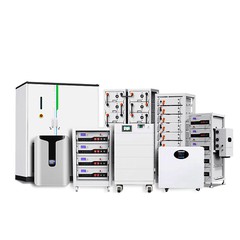


Is a 48V Battery Safe?
As a supplier of 48V batteries, I often encounter questions from customers regarding the safety of these power sources. It's a crucial concern, especially as 48V batteries are widely used in various applications, from electric vehicles to renewable energy storage systems. In this blog post, I'll delve into the safety aspects of 48V batteries, exploring their potential risks and the measures in place to ensure safe operation.


First, let's understand what a 48V battery is. A 48V battery is a power storage device that provides a nominal voltage of 48 volts. These batteries can be made from different chemistries, such as lead-acid, lithium-ion, and nickel-metal hydride. Each chemistry has its own characteristics, advantages, and safety considerations.
Lithium-ion batteries, in particular, have gained popularity in recent years due to their high energy density, long cycle life, and relatively low self-discharge rate. Our company offers a range of lithium-ion 48V batteries, including the 48V 35Ah Lithium Ion Battery, 48V 20Ah Lithium Ion Battery, and 48V 30Ah Lithium Ion Battery. These batteries are designed to meet the diverse needs of our customers, whether it's for powering electric scooters, golf carts, or solar energy storage systems.
Now, let's address the question of safety. Like any energy storage device, 48V batteries do pose some potential risks if not handled properly. One of the main concerns is the risk of overcharging, which can lead to overheating, thermal runaway, and even explosion in extreme cases. Overcharging occurs when a battery is charged beyond its recommended voltage or current limits, causing the electrolyte inside the battery to break down and release flammable gases.
To prevent overcharging, modern 48V batteries are equipped with built-in battery management systems (BMS). A BMS is an electronic device that monitors and controls the charging and discharging process of a battery, ensuring that it operates within safe limits. The BMS can detect when a battery is approaching its full charge and automatically stop the charging process to prevent overcharging. It can also monitor the temperature, voltage, and current of the battery and take appropriate action if any abnormal conditions are detected.
Another potential risk associated with 48V batteries is short-circuiting. A short-circuit occurs when the positive and negative terminals of a battery are connected directly, bypassing the load. This can cause a large amount of current to flow through the battery, generating excessive heat and potentially damaging the battery or causing a fire. To prevent short-circuiting, batteries are designed with protective features such as fuses, circuit breakers, and insulation materials. These features help to interrupt the flow of current in the event of a short-circuit and prevent damage to the battery.
In addition to overcharging and short-circuiting, 48V batteries can also be affected by physical damage, such as punctures, cracks, or impacts. Physical damage can compromise the integrity of the battery and lead to leakage of electrolyte, which can be corrosive and harmful to the environment and human health. To minimize the risk of physical damage, batteries should be handled with care and stored in a safe and secure location. They should also be protected from extreme temperatures, humidity, and vibrations, which can affect their performance and lifespan.
Despite these potential risks, 48V batteries can be used safely if proper precautions are taken. Here are some tips to ensure the safe use of 48V batteries:
- Use a compatible charger: Always use a charger that is specifically designed for your 48V battery. Using an incompatible charger can lead to overcharging, overheating, and other safety issues.
- Follow the manufacturer's instructions: Read and follow the manufacturer's instructions carefully when charging, discharging, and storing your battery. This will help you to avoid common mistakes and ensure that your battery operates safely and efficiently.
- Inspect your battery regularly: Check your battery for any signs of damage, such as cracks, leaks, or swelling. If you notice any damage, stop using the battery immediately and contact the manufacturer or a qualified technician for assistance.
- Store your battery properly: Store your battery in a cool, dry, and well-ventilated place. Avoid storing your battery in direct sunlight, near heat sources, or in areas with high humidity.
- Dispose of your battery properly: When your battery reaches the end of its useful life, dispose of it properly according to local regulations. Do not throw your battery in the trash or incinerate it, as this can be harmful to the environment and human health.
In conclusion, 48V batteries can be safe if proper precautions are taken. As a supplier of 48V batteries, we are committed to providing our customers with high-quality, safe, and reliable products. Our batteries are designed and manufactured to meet the highest safety standards and are equipped with advanced safety features to prevent overcharging, short-circuiting, and other potential risks. If you have any questions or concerns about the safety of our 48V batteries, please do not hesitate to contact us. We are here to help you make an informed decision and ensure that you get the most out of your battery.
If you're interested in purchasing a 48V battery for your application, we invite you to explore our range of products on our website. Our team of experts is also available to provide you with more information and assist you with your purchase. Contact us today to start the procurement process and find the perfect 48V battery for your needs.
References
- Battery University. (n.d.). Lithium-ion Basics. Retrieved from https://batteryuniversity.com/learn/article/li_ion_basics
- International Electrotechnical Commission. (2018). Safety requirements for secondary lithium cells and batteries for use in portable applications. IEC 62133-2:2017.
- National Fire Protection Association. (2019). NFPA 70: National Electrical Code.


