


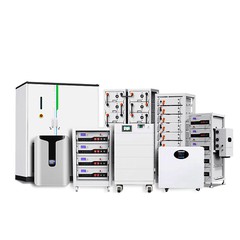


Hey there! As a supplier of 24V 150Ah batteries, I often get asked about the ins and outs of the products we offer. Today, I want to take a bit of a different approach and talk about the disadvantages of a 24V 150Ah battery. It's important to have a balanced view, right? So, let's dive in.
1. High Initial Cost
One of the first things you'll notice when considering a 24V 150Ah battery is the price tag. These batteries are not cheap. The cost of manufacturing a battery with such a high capacity involves using quality materials and advanced technology. For instance, the lead - acid 24V 150Ah batteries we supply use high - grade lead plates and a special electrolyte formula to ensure long - term performance. But all these come at a cost.
If you're on a tight budget, shelling out for a 24V 150Ah battery might not be feasible. You could be looking at spending a significant amount of money upfront, which can be a deterrent for small businesses or individuals with limited funds. In comparison, a 24V 100Ah Battery is usually more affordable, but it also has a lower capacity.
2. Heavy Weight
24V 150Ah batteries are pretty hefty. Due to their large capacity, they need a lot of materials to store and deliver the power. Lead - acid batteries, in particular, are known for their weight. The lead plates and the electrolyte add a significant amount of mass.
This weight can be a real pain when it comes to installation and transportation. If you're planning to use the battery in a mobile application, like an RV or a boat, the extra weight can affect the vehicle's performance. It might require more fuel to move the vehicle, and it can also be a challenge to install the battery in tight spaces.
3. Limited Lifespan
Even though we strive to make our 24V 150Ah batteries last as long as possible, they still have a limited lifespan. The number of charge - discharge cycles a battery can handle is finite. For lead - acid batteries, factors like overcharging, deep discharging, and high temperatures can significantly reduce their lifespan.
If you're using the battery in an environment with extreme temperatures or if you frequently discharge it to a very low level, the battery might not last as long as you'd like. This means you'll have to replace the battery more often, which adds to the overall cost of ownership. In contrast, a 24V 500Ah Battery might have a different lifespan depending on its construction and usage.
4. Maintenance Requirements
24V 150Ah batteries, especially lead - acid ones, require regular maintenance. You need to check the electrolyte levels regularly and top them up with distilled water if necessary. This is because during the charging process, some of the water in the electrolyte can evaporate.
If you don't maintain the battery properly, it can lead to sulfation, which is the build - up of lead sulfate crystals on the battery plates. Sulfation can reduce the battery's capacity and performance over time. Additionally, you need to keep the battery terminals clean to prevent corrosion, which can also affect the battery's ability to deliver power.
5. Slow Charging Time
Another drawback of 24V 150Ah batteries is the slow charging time. Because of their large capacity, it takes longer to charge them fully. If you're in a hurry and need to use the battery quickly, waiting for it to charge can be frustrating.


The charging time can also be affected by the charger you're using. A low - quality charger might take even longer to charge the battery, and it could also cause overcharging, which is bad for the battery's health.
6. Environmental Impact
Lead - acid batteries, which are commonly used in 24V 150Ah applications, have a significant environmental impact. The production of lead - acid batteries involves the use of lead, which is a toxic heavy metal. If not disposed of properly, lead can contaminate the soil and water, posing a risk to human health and the environment.
Recycling lead - acid batteries is crucial, but it's not always easy or cost - effective. The recycling process also requires energy and resources, which adds to the overall environmental footprint.
7. Safety Concerns
There are some safety concerns associated with 24V 150Ah batteries. Lead - acid batteries can produce hydrogen gas during the charging process. If the battery is in an enclosed space and the hydrogen gas builds up, it can create an explosive environment.
Also, the electrolyte in lead - acid batteries is a strong acid, which can cause burns if it comes into contact with your skin or eyes. You need to handle these batteries with care and follow proper safety procedures.
Despite these disadvantages, 24V 150Ah batteries still have many advantages, such as high energy storage capacity and reliable power output. If you think a 24V 150Ah Battery is the right fit for your needs, don't let these drawbacks scare you off. We're here to help you make an informed decision.
If you're interested in learning more about our 24V 150Ah batteries or have any questions about the products, feel free to reach out. We can discuss your specific requirements and see if our batteries are the best solution for you. Whether you're a small business owner, an RV enthusiast, or someone looking for a reliable power source, we're here to assist you in making the right choice.
References
- Battery University: A comprehensive resource for battery knowledge, including information on battery lifespan, charging, and maintenance.
- Industry reports on battery technology and environmental impact.


