







Hey there! As a supplier of 24V 500Ah batteries, I get asked a lot about charge retention. So, let's dive right into what charge retention means for these batteries and why it's super important.
What's Charge Retention Anyway?
Charge retention is all about how well a battery can hold onto its charge over time. You know, when you charge up your battery, you want it to keep that energy stored until you actually need to use it. For a 24V 500Ah battery, this is crucial. Whether it's for a backup power system in your home or for an industrial application, you need the battery to have good charge retention.
Think of it like filling up a water tank. You want the tank to hold the water without any leaks. In the same way, a battery with good charge retention will hold its electrical charge without losing too much energy. This is especially important if you're not using the battery all the time. For example, if you have a solar power system and the sun isn't shining for a few days, you rely on the battery to keep its charge so you can still have power at night or during cloudy weather.
Factors Affecting Charge Retention
There are several factors that can affect the charge retention of a 24V 500Ah battery. One of the biggest factors is the type of battery chemistry. Different battery chemistries have different charge retention capabilities. For example, lead-acid batteries, which are commonly used in many applications, have a certain level of self-discharge. Self-discharge means that the battery will lose its charge even when it's not being used.
Temperature also plays a huge role. Batteries tend to self-discharge faster in higher temperatures. So, if you're storing your 24V 500Ah battery in a hot environment, it might lose its charge more quickly. On the other hand, extremely cold temperatures can also affect the battery's performance and charge retention.
The quality of the battery construction is another important factor. A well-built battery with high-quality materials will generally have better charge retention. At our company, we use the best materials and manufacturing processes to ensure that our 24V 500Ah batteries have excellent charge retention.
Measuring Charge Retention
To measure the charge retention of a 24V 500Ah battery, we usually look at the self-discharge rate. The self-discharge rate is expressed as a percentage of the battery's capacity per month. For example, if a battery has a self-discharge rate of 3% per month, it means that after one month of storage, it will have lost 3% of its charge.
We use specialized equipment to measure the self-discharge rate accurately. This helps us to ensure that our batteries meet the high standards we set for charge retention. We also conduct long-term tests to see how the battery performs over time. This way, we can provide our customers with reliable information about the charge retention of our 24V 500Ah batteries.
Comparing with Other Batteries
Let's take a look at how our 24V 500Ah battery compares with some other batteries in terms of charge retention. For instance, the 24V 300Ah Battery and the 24V 400Ah Battery have their own charge retention characteristics.
Generally, larger capacity batteries like our 24V 500Ah battery tend to have better charge retention compared to smaller capacity batteries like the 24V 150Ah Battery. This is because they have more energy stored, and the self-discharge rate is spread out over a larger capacity. However, it's important to note that the charge retention also depends on the battery chemistry and construction.
Why Charge Retention Matters for You
As a user of a 24V 500Ah battery, good charge retention means you can rely on your battery when you need it. You don't have to worry about constantly recharging the battery if it's not being used. This is especially important for applications where a reliable power supply is crucial, such as in hospitals, data centers, or remote locations.
If you have a backup power system, a battery with good charge retention will ensure that you have power during an outage. You won't have to worry about the battery losing its charge and leaving you in the dark. And for renewable energy systems, like solar or wind power, a battery with good charge retention will help you store the energy generated during the day for use at night or during periods of low energy production.

How We Ensure Good Charge Retention
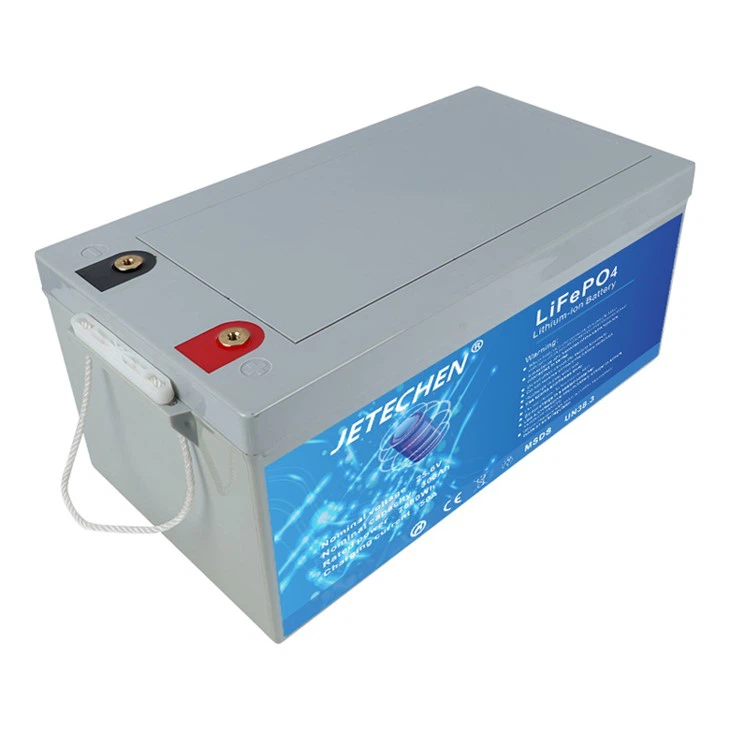
At our company, we take several steps to ensure that our 24V 500Ah batteries have excellent charge retention. First, we use high-quality materials in the battery construction. This includes using pure lead plates and high-quality electrolytes. These materials help to reduce the self-discharge rate and improve the overall performance of the battery.
We also have a strict quality control process. Every battery goes through a series of tests to ensure that it meets our standards for charge retention. We test the batteries under different conditions, including different temperatures and charge levels, to make sure they perform well in real-world situations.
Contact Us for Your Battery Needs
If you're in the market for a 24V 500Ah battery, or if you have any questions about charge retention or our other battery products, don't hesitate to contact us. We're here to help you find the right battery for your needs. Whether you're a homeowner looking for a backup power solution or an industrial customer in need of a reliable energy storage system, we've got you covered.
References
- Battery Technology Handbook
- Research Papers on Battery Charge Retention


