


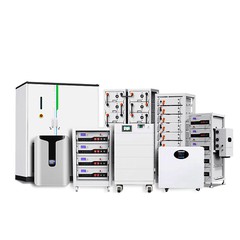



Hey there! As a supplier of 24V 150Ah batteries, I often get asked about the self - discharge rate of these powerhouses. So, let's dive right in and break it down.
First off, what exactly is self - discharge? Well, it's like a sneaky little thief that slowly steals the charge from your battery when it's just sitting there, not being used. Even when a battery is disconnected from any device, it loses its charge over time. This is due to a bunch of chemical reactions happening inside the battery.
For a 24V 150Ah battery, the self - discharge rate can vary depending on several factors. One of the biggest factors is the type of battery chemistry. We've got different types out there, like lead - acid, lithium - ion, and nickel - metal hydride, and each has its own self - discharge characteristics.
Let's start with lead - acid batteries. These are the old - school ones that have been around for ages. They're reliable and widely used in many applications, from backup power systems to golf carts. A typical lead - acid 24V 150Ah battery has a self - discharge rate of about 3 - 5% per month at room temperature (around 25°C or 77°F). That means if your battery is fully charged, after a month of sitting idle, it'll lose about 3 to 5% of its charge.
The self - discharge rate of lead - acid batteries can increase if the temperature goes up. For every 10°C (18°F) increase in temperature above 25°C, the self - discharge rate can roughly double. So, if you're storing your battery in a hot shed during summer, you might find that it loses its charge a lot faster. On the other hand, cold temperatures can slow down the self - discharge rate, but they also reduce the battery's overall performance.
Now, let's talk about lithium - ion batteries. These are the new kids on the block, and they're becoming more and more popular because of their high energy density and long lifespan. A 24V 150Ah lithium - ion battery has a much lower self - discharge rate compared to lead - acid. Usually, it's around 1 - 2% per month at room temperature. That's a big difference!
The reason for the lower self - discharge rate in lithium - ion batteries is their more stable chemical structure. The lithium ions move back and forth between the electrodes in a more controlled way, which reduces the unwanted chemical reactions that cause self - discharge. And just like lead - acid batteries, temperature affects the self - discharge rate of lithium - ion batteries too. But they're generally more tolerant of temperature changes.
Nickel - metal hydride (NiMH) batteries are another option. They're less common in 24V 150Ah configurations, but they do have their uses. NiMH batteries have a self - discharge rate of about 20 - 30% per month at room temperature. That's a pretty high rate compared to lead - acid and lithium - ion. The high self - discharge rate is due to the complex chemical reactions happening inside the battery, which involve the absorption and release of hydrogen by the metal hydride electrode.
So, why does the self - discharge rate matter? Well, if you're using your battery for a backup power system, a high self - discharge rate means you'll have to recharge it more often to make sure it's ready when you need it. If you're using it in a portable device, a high self - discharge rate can mean that your device won't hold its charge for long when it's not in use.


When you're choosing a 24V 150Ah battery, you need to consider the self - discharge rate along with other factors like cost, lifespan, and performance. If you need a battery that can hold its charge for a long time without being used, a lithium - ion battery might be the best choice. If cost is your main concern and you're okay with more frequent recharging, a lead - acid battery could work for you.
At our company, we offer a range of 24V 150Ah batteries to suit different needs. And we also have other options like the 24V 100Ah Battery, 24V 300Ah Battery, and 24V 400Ah Battery. Each of these batteries has its own self - discharge rate and performance characteristics, so you can choose the one that's right for you.
If you're in the market for a 24V 150Ah battery or any of our other products, don't hesitate to reach out. We're here to help you find the best battery solution for your needs. Whether you're a small business owner looking for a backup power system or an individual wanting to power your off - grid cabin, we've got you covered.
In conclusion, understanding the self - discharge rate of a 24V 150Ah battery is crucial for making the right choice. Different battery chemistries have different self - discharge rates, and factors like temperature can also affect how fast your battery loses its charge. So, do your research, consider your needs, and if you have any questions, just give us a shout. We're always happy to help you make the best decision.
References
- Battery University: A great resource for all things battery - related. It provides in - depth information on battery chemistries, self - discharge rates, and more.
- IEEE Transactions on Power Electronics: This journal publishes research papers on battery technology, including studies on self - discharge mechanisms and ways to reduce it.
- Manufacturer's datasheets: The datasheets provided by battery manufacturers are a reliable source of information on the self - discharge rate and other specifications of their products.


