




1. Strategic Context
Europe's energy transition presents a complex landscape:
- Renewable energy accounted for 47.4% of EU power generation in 2024
- Energy storage capacity remains limited at 16GW, with 70% concentrated in Germany and Italy
- Post-Russia-Ukraine conflict, EU LNG imports from US cost 30-40% more than previous Russian gas supplies
China's competitive advantages in new energy:
- World's largest renewable energy installed capacity
- Comprehensive supply chain covering wind, solar and energy storage technologies
- 1.6% growth in new energy trade with Europe during 2024 despite trade headwinds
2. Key Cooperation Areas
Electric Vehicle Sector:
- EU currently imposes tariffs up to 45.3% on Chinese EVs
- Chinese manufacturers like BYD establishing European production bases (e.g., Hungary facility)
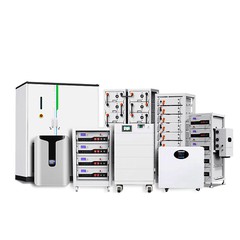
Energy Storage Market:
- European energy storage capacity doubled in 2023
- CATL's "Tianji" frequency regulation system deployed in UK markets
Renewable Energy:
- China supplies over 60% of EU photovoltaic module imports
- Collaboration projects like Goldwind's North Sea wind farm development with German partners
3. Major Challenges
Trade Barriers:
- EU alignment with US restrictions on Chinese new energy products
- CBAM covering 99% of emissions while exempting 90% of SMEs
Technical Standards:
- EU battery regulations mandate 12% recycled cobalt and 4% lithium by 2030
- China's evolving carbon footprint certification framework
Geopolitical Factors:
- US Inflation Reduction Act impacting China-EU cooperation
- Policy uncertainty amid Russia-Ukraine conflict
4. Strategic Recommendations
For Businesses:
- Accelerate European localization (e.g., CATL's German production base)
- Develop CBAM-compliant carbon management systems
For Industries:
- Advance mutual recognition of green standards
- Enhance joint R&D in energy storage technologies
For Policymakers:
- Utilize China-EU high-level dialogue mechanisms
- Establish bilateral new energy technology fund
Comparative Data (2023-2024):
| Metric | China | EU |
|-----------------------|--------|--------|
| Renewable Energy Share | 36% | 47.4% |
| Energy Storage Capacity | 32GW | 16GW |
| EV Production Share | 60% | 22% |
Conclusion:
Amid evolving China-US-EU dynamics, new energy cooperation presents both challenges and opportunities. Moving beyond zero-sum approaches, both sides should develop integrated "R&D-production-application" collaboration models across EVs, energy storage and smart grids to advance global energy transition objectives.


