




As a 3S battery supplier, I've received numerous inquiries about the possibility of overdischarging 3S batteries. This topic is not only crucial for the proper use and maintenance of these batteries but also directly impacts their lifespan and performance. In this blog, I'll delve into the science behind 3S batteries, explain what overdischarging means, and discuss the potential consequences and prevention methods.


Understanding 3S Batteries
A 3S battery, short for a three - series battery, consists of three individual cells connected in series. Each cell in a lithium - polymer (LiPo) 3S battery typically has a nominal voltage of 3.7V. When connected in series, the nominal voltage of the entire 3S battery pack is 11.1V (3.7V x 3). These batteries are widely used in various applications, such as drones, remote - controlled vehicles, and portable electronic devices, due to their high energy density and relatively lightweight.
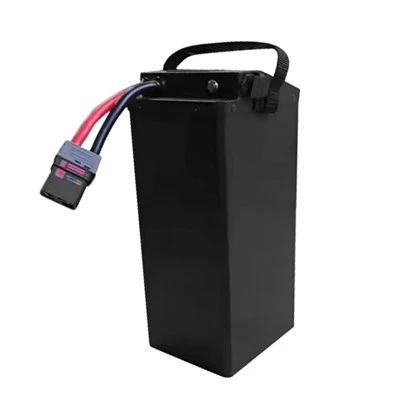
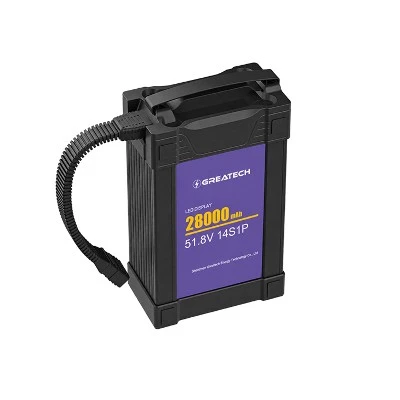
We offer a range of 3S batteries, including the 11.1V 6000mAh Lipo Battery, 11.1V 5000mAh Lipo Battery, and 11.1V 10000mAh Lipo Battery. Each of these batteries is designed to meet different power requirements and usage scenarios.
What is Overdischarging?
Overdischarging occurs when a battery is discharged below its recommended minimum voltage. For a LiPo 3S battery, the recommended minimum voltage per cell is typically around 3.0V. So, for a 3S battery pack, the minimum safe voltage is approximately 9.0V (3.0V x 3). When a battery is overdischarged, it can cause irreversible damage to the battery cells.
During normal discharge, lithium ions move from the anode to the cathode through the electrolyte. However, when the battery is overdischarged, the chemical reactions inside the cells can become unstable. The anode material may start to break down, and the electrolyte can become depleted. This can lead to a significant reduction in the battery's capacity and performance over time.
Consequences of Overdischarging a 3S Battery
- Reduced Capacity: One of the most immediate consequences of overdischarging is a reduction in the battery's capacity. The battery will not be able to hold as much charge as it did when it was new. This means that the device powered by the battery will have a shorter runtime, requiring more frequent charging.
- Increased Internal Resistance: Overdischarging can also increase the internal resistance of the battery. Higher internal resistance means that more energy is lost as heat during charging and discharging. This not only reduces the efficiency of the battery but also generates more heat, which can further damage the battery and pose a safety risk.
- Cell Imbalance: In a 3S battery pack, overdischarging can cause cell imbalance. Each cell in the pack may discharge at a slightly different rate, and if one cell is overdischarged, it can disrupt the balance of the entire pack. This can lead to uneven charging and discharging in subsequent cycles, further reducing the battery's lifespan and performance.
- Safety Hazards: In extreme cases, overdischarging can lead to safety hazards such as swelling, leakage, or even explosion. When the battery cells are severely damaged, the chemical reactions inside can become uncontrollable, releasing flammable gases and causing the battery to malfunction.
Signs of an Overdischarged 3S Battery
- Low Voltage Reading: Using a battery voltage checker, if you find that the voltage of a 3S battery pack is below 9.0V, it may be overdischarged.
- Swelling: Overdischarged batteries may start to swell. This is a clear sign that the internal structure of the battery has been damaged, and the battery should be handled with extreme caution.
- Poor Performance: If the device powered by the battery has a significantly shorter runtime than usual or fails to operate properly, it could be due to an overdischarged battery.
Preventing Overdischarging
- Use a Battery Management System (BMS): A BMS is an essential component for preventing overdischarging. It monitors the voltage of each cell in the battery pack and automatically disconnects the load when the voltage reaches the minimum safe level. Most of our 3S batteries come with a built - in BMS to ensure safe operation.
- Monitor Battery Voltage Regularly: Using a battery voltage checker, you can regularly monitor the voltage of your 3S battery. This allows you to stop using the battery before it becomes overdischarged.
- Follow Manufacturer's Instructions: Always follow the manufacturer's instructions regarding charging and discharging. This includes using the recommended charger and not over - discharging the battery during use.
Recovery of an Overdischarged 3S Battery
In some cases, if the overdischarge is not too severe, it may be possible to recover an overdischarged 3S battery. However, this should be done with extreme caution. You can try using a low - current charger to slowly charge the battery back to a safe voltage level. But it's important to note that even if the battery recovers, its performance and lifespan will likely be reduced.
Conclusion
In conclusion, a 3S battery can definitely be overdischarged, and the consequences can be quite severe. As a 3S battery supplier, we are committed to providing high - quality batteries and educating our customers on proper battery usage and maintenance. By understanding the risks of overdischarging and taking appropriate preventive measures, you can ensure the long - term performance and safety of your 3S batteries.
If you are interested in purchasing our 3S batteries or have any questions about battery usage and maintenance, please feel free to contact us for further discussion and procurement negotiation.
References
- Linden, D., & Reddy, T. B. (2002). Handbook of Batteries. McGraw - Hill.
- Buchmann, I. (2012). Battery University: How to Maximize Battery Performance and Lifespan. Cadex Electronics Inc.