




As a 72V battery supplier, I often encounter inquiries from customers regarding the ripple current tolerance of our 72V batteries. Ripple current is a crucial factor that can significantly impact the performance and lifespan of a battery. In this blog post, I will delve into the concept of ripple current tolerance, its importance, and how it relates to our 72V batteries.
Understanding Ripple Current
Ripple current refers to the alternating current (AC) component that is superimposed on the direct current (DC) flowing through a battery. This AC component is typically caused by the switching action of power electronic devices, such as inverters, chargers, and DC-DC converters. Ripple current can have several negative effects on a battery, including increased heat generation, accelerated aging, and reduced capacity.
Importance of Ripple Current Tolerance
The ripple current tolerance of a battery is the maximum amount of ripple current that the battery can withstand without experiencing significant degradation in performance or lifespan. It is an important specification to consider when selecting a battery for applications that involve high-frequency switching or fluctuating loads.
Exceeding the ripple current tolerance of a battery can lead to several problems, including:


- Increased Heat Generation: Ripple current causes additional power dissipation within the battery, which results in increased heat generation. Excessive heat can accelerate the aging process of the battery and reduce its overall lifespan.
- Accelerated Aging: The repeated cycling of the battery due to ripple current can cause mechanical stress on the battery cells, leading to the formation of cracks and other internal damage. This can result in a decrease in battery capacity and performance over time.
- Reduced Capacity: Ripple current can cause the battery to experience a phenomenon known as "voltage droop," which is a temporary decrease in voltage under load. This can lead to a reduction in the available capacity of the battery and limit its ability to power the load.
Factors Affecting Ripple Current Tolerance
The ripple current tolerance of a battery is influenced by several factors, including:
- Battery Chemistry: Different battery chemistries have different inherent ripple current tolerances. For example, lithium-ion batteries generally have a higher ripple current tolerance than lead-acid batteries.
- Battery Design: The design of the battery, including the number and arrangement of cells, the type of electrodes, and the electrolyte composition, can also affect its ripple current tolerance.
- Operating Temperature: The ripple current tolerance of a battery decreases as the operating temperature increases. This is because higher temperatures increase the internal resistance of the battery, which results in increased power dissipation and heat generation.
- Load Profile: The type and magnitude of the load connected to the battery can also affect its ripple current tolerance. For example, a battery that is subjected to high-frequency switching or fluctuating loads will require a higher ripple current tolerance than a battery that is used in a steady-state application.
Ripple Current Tolerance of Our 72V Batteries
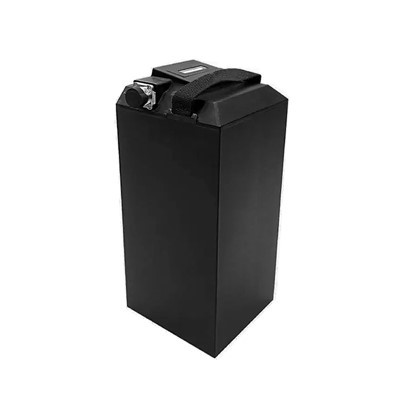
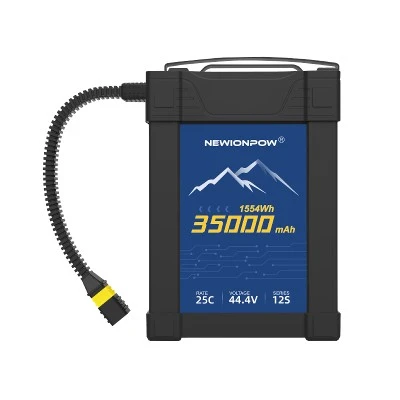
At our company, we offer a range of 72V batteries with different capacities and chemistries to meet the diverse needs of our customers. Our 72V 30Ah LiFePo4 Battery, 72V 50Ah LiFePo4 Battery, and 72V 100Ah LiFePo4 Battery are all designed to have a high ripple current tolerance to ensure reliable performance in applications that involve high-frequency switching or fluctuating loads.
Our lithium iron phosphate (LiFePO4) batteries are known for their excellent thermal stability, high cycle life, and low internal resistance, which makes them well-suited for applications that require a high ripple current tolerance. In addition, our batteries are equipped with advanced battery management systems (BMS) that monitor and control the charging and discharging process to ensure that the battery operates within its safe operating limits.
Testing and Certification
To ensure the reliability and performance of our 72V batteries, we conduct rigorous testing and certification procedures. Our batteries are tested to international standards, such as UL, CE, and RoHS, to ensure that they meet the highest quality and safety requirements.
In addition, we perform in-house testing to verify the ripple current tolerance of our batteries. Our testing procedures involve subjecting the batteries to a range of ripple current levels and monitoring their performance over time. This allows us to accurately determine the ripple current tolerance of each battery and ensure that it meets our specifications.
Applications Requiring High Ripple Current Tolerance
There are several applications that require batteries with a high ripple current tolerance, including:
- Renewable Energy Systems: Solar and wind power systems often involve the use of inverters to convert DC power from the solar panels or wind turbines into AC power for use in the grid or for off-grid applications. These inverters typically operate at high frequencies and can generate significant ripple current. Our 72V batteries are well-suited for these applications due to their high ripple current tolerance and excellent performance in high-temperature environments.
- Electric Vehicles: Electric vehicles (EVs) require batteries that can handle high currents and rapid charging and discharging cycles. The charging and discharging process of an EV battery can generate significant ripple current, which can affect the performance and lifespan of the battery. Our 72V batteries are designed to meet the demanding requirements of EV applications and can provide reliable power for extended periods of time.
- Uninterruptible Power Supplies (UPS): UPS systems are used to provide backup power in the event of a power outage. They typically involve the use of batteries to store energy and inverters to convert the DC power from the batteries into AC power for use by the connected equipment. The switching action of the inverters can generate significant ripple current, which can affect the performance and lifespan of the batteries. Our 72V batteries are well-suited for UPS applications due to their high ripple current tolerance and ability to provide reliable power during extended outages.
Conclusion
In conclusion, the ripple current tolerance of a battery is an important specification to consider when selecting a battery for applications that involve high-frequency switching or fluctuating loads. Exceeding the ripple current tolerance of a battery can lead to increased heat generation, accelerated aging, and reduced capacity, which can significantly impact the performance and lifespan of the battery.
As a 72V battery supplier, we understand the importance of providing our customers with batteries that have a high ripple current tolerance. Our 72V 30Ah LiFePo4 Battery, 72V 50Ah LiFePo4 Battery, and 72V 100Ah LiFePo4 Battery are all designed to have a high ripple current tolerance and can provide reliable performance in a wide range of applications.
If you are in the market for a 72V battery with a high ripple current tolerance, we encourage you to contact us to discuss your specific requirements. Our team of experts will be happy to help you select the right battery for your application and provide you with the support and guidance you need to ensure its successful operation.
References
- Linden, D., & Reddy, T. B. (2002). Handbook of Batteries (3rd ed.). McGraw-Hill.
- Tiaa, A. S. (2013). Lithium-Ion Batteries: Science and Technologies. Springer.
- Vinal, G. W. (1955). Storage Batteries (4th ed.). John Wiley & Sons.