


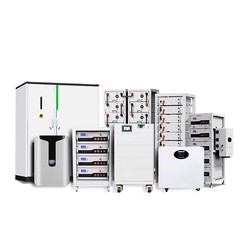



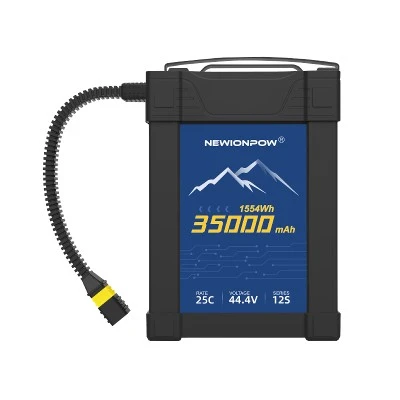


When it comes to using an 80V battery, proper ventilation is of utmost importance. As a supplier of 80V batteries, I understand the significance of ensuring that these power sources operate in an environment that allows for adequate air circulation. In this blog post, I will share some key insights on how to ensure proper ventilation when using an 80V battery.
Understanding the Need for Ventilation
80V batteries, especially those of the lithium - ion type, generate heat during charging and discharging processes. If this heat is not dissipated effectively, it can lead to a range of issues, including reduced battery life, decreased performance, and in extreme cases, safety hazards such as thermal runaway. Ventilation helps to carry away the heat, maintaining the battery at an optimal operating temperature.
Selecting the Right Location
The first step in ensuring proper ventilation is to choose the right location for the battery. The area should be well - ventilated, away from direct sunlight and heat sources. For instance, if the 80V battery is used in a motorcycle or a motorhome, it should be placed in a compartment that has openings for air to flow in and out.
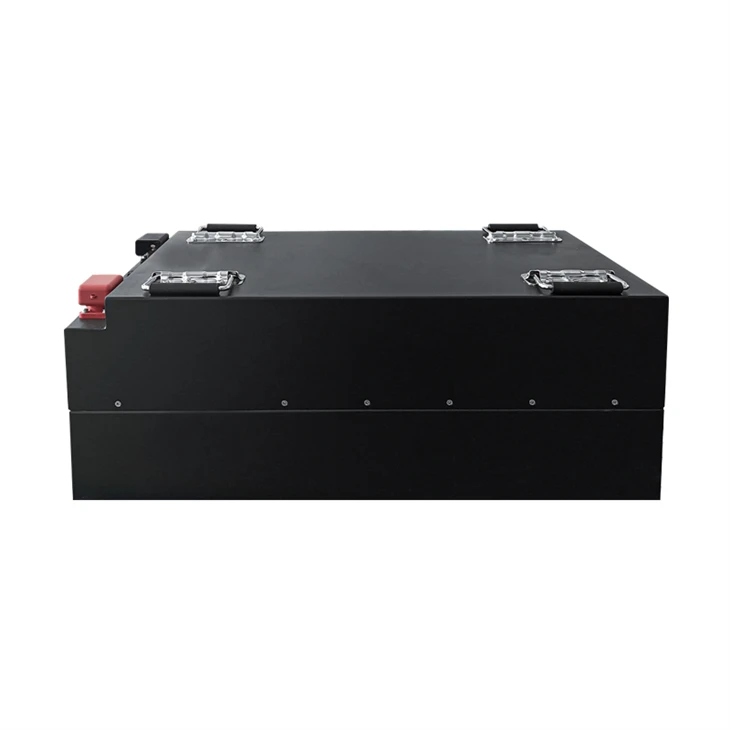

In a motorcycle, the battery compartment should be designed in a way that allows fresh air to enter from the front of the bike and exit at the rear. This natural airflow helps to cool the battery. Similarly, in a motorhome, the battery should be installed in a well - ventilated storage area. Avoid placing the battery in a confined space where air cannot circulate freely.
Using Ventilation Systems
In some cases, natural ventilation may not be sufficient, especially when the battery is used in a high - demand environment or in a location with limited airflow. In such situations, mechanical ventilation systems can be employed.
For example, fans can be installed near the battery to force air circulation. These fans can be powered by the battery itself or by an external power source. The fans should be positioned in a way that they blow air directly over the battery, helping to dissipate the heat.
Another option is to use a ventilation duct system. This system can be designed to channel fresh air to the battery and exhaust the hot air out of the area. Ducts can be made of materials such as plastic or metal, and they should be properly sealed to prevent air leakage.
Monitoring the Ventilation
Once the ventilation system is in place, it is important to monitor its effectiveness. Regularly check the temperature of the battery. If the battery is overheating, it may indicate that the ventilation is not working properly.
You can use a temperature sensor to measure the battery's temperature. If the temperature exceeds the recommended range, take immediate action to improve the ventilation. This could involve adjusting the position of the fans, cleaning the ventilation ducts, or increasing the airflow rate.
Importance of Maintenance
Proper maintenance of the ventilation system is crucial for ensuring its long - term effectiveness. Regularly clean the ventilation openings, fans, and ducts to remove dust, dirt, and debris. A clogged ventilation system can significantly reduce the airflow and lead to overheating.
Inspect the fans and motors for any signs of wear or damage. Replace any faulty components promptly to ensure that the ventilation system continues to operate efficiently.
Product Recommendations
As an 80V battery supplier, I offer a range of high - quality batteries that are designed to work optimally with proper ventilation. Our 80V 45Ah Lithium Ion Battery is a popular choice for motorcycles and other applications. It is built with advanced lithium - ion technology, which provides high energy density and long - lasting performance.
For motorhome users, our Lithium Ion Battery For Motorhome is an excellent option. It is designed to meet the power needs of motorhomes while ensuring reliable operation with proper ventilation.
Our 80V Lithium Ion Battery is suitable for a wide range of applications, from small electric vehicles to industrial equipment. It offers a high - voltage output and is built to withstand the rigors of daily use.
Conclusion
Ensuring proper ventilation when using an 80V battery is essential for its performance, safety, and longevity. By selecting the right location, using ventilation systems, monitoring the ventilation, and performing regular maintenance, you can ensure that your 80V battery operates at its best.
If you are interested in purchasing our 80V batteries or have any questions about ventilation requirements, please feel free to contact us for a purchase consultation. We are committed to providing high - quality products and excellent customer service.
References
- Battery Safety Standards and Guidelines, International Electrotechnical Commission (IEC)
- Lithium - Ion Battery Technology: Principles and Applications, John Wiley & Sons


