


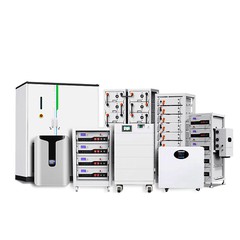



When it comes to powering robots, the choice of battery is a critical decision that can significantly impact the robot's performance, efficiency, and overall functionality. One option that often comes into consideration is a 48V battery. As a 48V battery supplier, I've had numerous discussions with robotics engineers and enthusiasts about the feasibility and benefits of using a 48V battery in a robot. In this blog post, I'll delve into the details of whether a 48V battery can be used in a robot, the advantages and challenges it presents, and some important considerations.
Understanding the Basics of Robot Power Requirements
Before we can determine if a 48V battery is suitable for a robot, it's essential to understand the power requirements of robots in general. Robots come in a wide variety of shapes, sizes, and functions, each with its own unique power needs. Some robots are small, lightweight, and designed for simple tasks, while others are large, heavy-duty machines used in industrial settings.
The power requirements of a robot are typically determined by several factors, including the type of motors it uses, the number of actuators, the complexity of its control systems, and the duration of its operation. Motors are one of the primary power consumers in a robot, and the power required to drive them depends on their size, torque, and speed. Actuators, such as servos and solenoids, also consume power to move the robot's joints and perform specific tasks. Additionally, the control systems that manage the robot's movements and functions require a certain amount of power to operate.
Advantages of Using a 48V Battery in a Robot
There are several advantages to using a 48V battery in a robot, which make it an attractive option for many applications.
Higher Power Output
One of the main advantages of a 48V battery is its ability to provide a higher power output compared to lower voltage batteries. This is particularly beneficial for robots that require a significant amount of power to operate, such as large industrial robots or robots with high-torque motors. With a higher voltage, the battery can deliver more current to the motors, allowing them to generate more power and perform tasks more efficiently.


Longer Operating Time
Another advantage of a 48V battery is its potential to provide a longer operating time. Higher voltage batteries generally have a higher energy density, which means they can store more energy in a smaller and lighter package. This allows robots to operate for longer periods without needing to recharge, which is especially important for applications where continuous operation is required.
Reduced Wiring Losses
Using a 48V battery can also help reduce wiring losses in a robot. When electricity is transmitted through wires, some of the energy is lost as heat due to the resistance of the wires. The higher the voltage, the lower the current required to deliver the same amount of power, which means less energy is lost in the wires. This can result in more efficient power transfer and improved overall performance of the robot.
Compatibility with High-Voltage Components
Many modern robots are designed to use high-voltage components, such as motors, controllers, and sensors, that are optimized for operation at 48V. Using a 48V battery ensures compatibility with these components, which can simplify the design and integration of the robot's electrical system. It also allows for the use of more advanced and efficient components, which can further enhance the robot's performance.
Challenges of Using a 48V Battery in a Robot
While there are many advantages to using a 48V battery in a robot, there are also some challenges that need to be considered.
Safety Concerns
One of the main challenges of using a 48V battery is the increased safety risk. Higher voltage batteries can pose a greater danger of electric shock and fire if not handled properly. It is important to follow strict safety guidelines when working with 48V batteries, including using appropriate protective equipment, ensuring proper insulation, and implementing safety features such as overcharge and over-discharge protection.
Cost
Another challenge is the cost of a 48V battery. Higher voltage batteries are generally more expensive than lower voltage batteries due to the additional components and technology required to achieve the higher voltage. This can increase the overall cost of the robot, which may be a significant factor for some applications.
Weight and Size
48V batteries can also be heavier and larger than lower voltage batteries, which can affect the robot's mobility and performance. In some cases, the additional weight and size of the battery may limit the robot's ability to move freely or perform certain tasks. It is important to carefully consider the weight and size of the battery when designing the robot to ensure that it does not have a negative impact on its performance.
Charging Infrastructure
Using a 48V battery requires a compatible charging infrastructure. Not all chargers are designed to handle 48V batteries, so it may be necessary to invest in a specialized charger. Additionally, the charging time for a 48V battery may be longer than for a lower voltage battery, which can affect the robot's availability for use.
Considerations for Using a 48V Battery in a Robot
Before deciding to use a 48V battery in a robot, there are several important considerations that need to be taken into account.
Power Requirements
The first consideration is the robot's power requirements. It is essential to accurately determine the power needs of the robot, including the peak power demand and the average power consumption over a given period of time. This will help determine the appropriate size and capacity of the 48V battery needed to meet the robot's power requirements.
Battery Type
There are several types of 48V batteries available, each with its own characteristics and advantages. The most common types of batteries used in robots are lead-acid batteries, lithium-ion batteries, and nickel-metal hydride (NiMH) batteries. Lithium-ion batteries are often preferred for robotics applications due to their high energy density, long cycle life, and low self-discharge rate. However, they can be more expensive than other types of batteries. It is important to choose the battery type that best suits the robot's requirements and budget.
Battery Management System
A battery management system (BMS) is an essential component when using a 48V battery in a robot. The BMS helps monitor and control the battery's charging and discharging processes, ensuring its safety and longevity. It also provides important information about the battery's state of charge, temperature, and health, which can be used to optimize the robot's performance and prevent battery damage.
Integration with the Robot
The 48V battery needs to be properly integrated into the robot's electrical system. This includes ensuring that the battery is securely mounted, the wiring is properly connected, and the electrical components are compatible with the battery's voltage. It is also important to consider the placement of the battery within the robot to minimize its impact on the robot's balance and mobility.
Our 48V Battery Offerings
As a 48V battery supplier, we offer a range of high-quality 48V batteries that are suitable for robotics applications. Our 48V 24Ah Lithium Ion Battery provides a good balance of power and capacity, making it ideal for medium-sized robots. The 48V 35Ah Lithium Ion Battery offers a higher capacity, which is suitable for larger robots or robots that require longer operating times. For smaller robots or applications with lower power requirements, our 48V 20Ah Lithium Ion Battery is a cost-effective option.
Conclusion
In conclusion, a 48V battery can be used in a robot, and it offers several advantages in terms of power output, operating time, and compatibility with high-voltage components. However, there are also some challenges and considerations that need to be taken into account, such as safety, cost, weight, and charging infrastructure. By carefully evaluating the robot's power requirements and considering the factors mentioned above, you can determine if a 48V battery is the right choice for your robot.
If you are interested in learning more about our 48V battery offerings or have any questions about using a 48V battery in your robot, please feel free to contact us for a detailed discussion and to explore potential procurement opportunities.
References
- "Robotics: Modelling, Planning and Control" by Bruno Siciliano, Lorenzo Sciavicco, Luigi Villani, and Giuseppe Oriolo.
- "Battery Management Systems: Design by Modeling" by Thomas G. Habetler, Rik W. De Doncker, and Nasir A. Chaudhry.


