




As a 12V battery supplier, I understand the importance of ensuring the quality and performance of our products. One crucial aspect of this is testing the batteries to guarantee they meet the necessary standards. In this blog post, I'll share some comprehensive methods on how to test a 12V battery, which will not only benefit consumers but also help in our business operations.
Visual Inspection
The first step in testing a 12V battery is a simple yet effective visual inspection. This can reveal a lot about the battery's condition. Check for any visible signs of damage such as cracks, leaks, or bulges on the battery casing. A cracked or leaking battery is a serious safety hazard and should be handled with extreme caution. Bulges can indicate internal problems, such as overcharging or a short - circuit within the battery.
Inspect the battery terminals as well. Corrosion on the terminals is a common issue. It appears as a white or greenish - blue powdery substance. Corroded terminals can impede the flow of electricity, reducing the battery's performance. If you notice corrosion, it can be cleaned using a mixture of baking soda and water. Apply the solution to the terminals with a brush, then rinse with clean water and dry thoroughly.
Voltage Test
A voltage test is one of the most basic and essential ways to assess a 12V battery. You'll need a digital multimeter for this test. Set the multimeter to the DC voltage setting, usually marked with a V and a straight line.
Before testing, make sure the battery is disconnected from any load, such as a vehicle's electrical system. Connect the red probe of the multimeter to the positive terminal of the battery and the black probe to the negative terminal.
A fully charged 12V lead - acid battery should read around 12.6 to 12.8 volts. If the reading is significantly lower, say 12.2 volts or less, it indicates that the battery is partially discharged. A reading below 12 volts may suggest a deeply discharged or faulty battery.
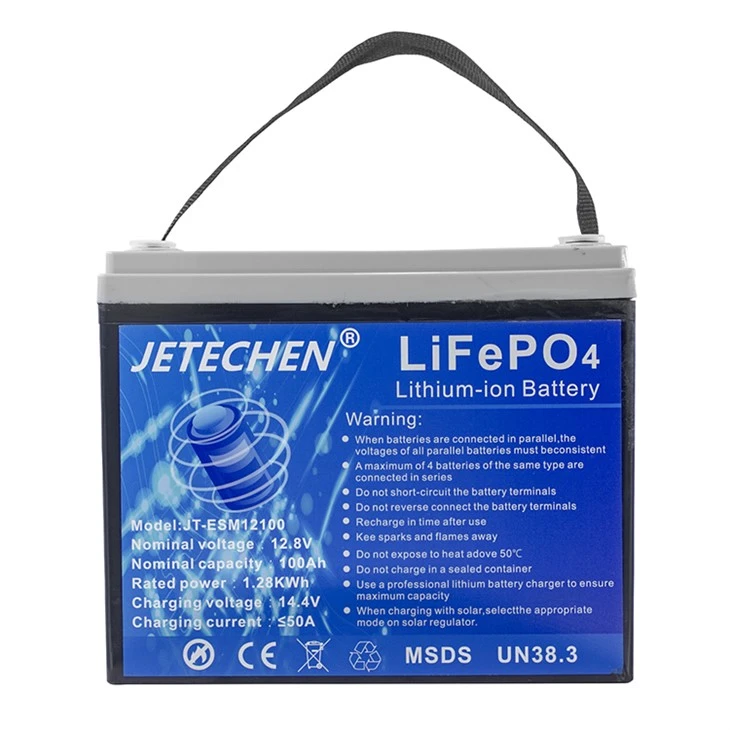

For 12V 200Ah LiFePO4 Lithium Battery, 12V 50Ah LiFePO4 Lithium Battery, and 12V 100Ah LiFePO4 Lithium Battery, the voltage readings for a fully charged state may vary slightly due to the different chemical properties of lithium - ion batteries. Generally, a fully charged LiFePO4 battery reads around 13.2 to 13.4 volts.
Load Test
A load test provides a more in - depth assessment of a battery's ability to deliver power under real - world conditions. To perform a load test, you'll need a load tester. This device applies a specific load to the battery for a short period and measures the battery's voltage during the test.
First, make sure the battery is at least 75% charged. Connect the load tester to the battery terminals, following the manufacturer's instructions. Apply a load equivalent to half of the battery's cold - cranking amps (CCA) rating for about 15 seconds.
During the test, monitor the battery voltage. A healthy 12V lead - acid battery should maintain a voltage of at least 9.6 volts under load. If the voltage drops significantly below this level, it indicates that the battery may not be able to provide sufficient power when needed, such as starting a vehicle in cold weather.
For lithium batteries, the load test parameters may be different. Lithium batteries have a different discharge characteristic compared to lead - acid batteries. It's important to refer to the manufacturer's specifications for the correct load test procedure.
Specific Gravity Test (for Lead - Acid Batteries)
This test is applicable only to lead - acid batteries with removable cell caps. You'll need a hydrometer to measure the specific gravity of the electrolyte in each cell.
Remove the cell caps carefully. Insert the hydrometer into each cell and draw in some electrolyte. The hydrometer will float, and you can read the specific gravity on a scale inside the hydrometer.
A fully charged lead - acid battery cell should have a specific gravity of around 1.265 to 1.285. As the battery discharges, the specific gravity decreases. A specific gravity of 1.120 or less indicates a deeply discharged battery.
If there is a significant difference in specific gravity between cells, it may suggest a problem with the battery, such as a short - circuited cell or uneven charging.
Conductance Test
Conductance testing is a relatively new and efficient method for testing batteries. It measures the battery's ability to conduct electricity, which is related to its state of health. Conductance testers are available in the market, and they work by sending a small electrical signal through the battery and measuring the response.
This test is quick and non - invasive. It can detect internal problems in the battery, such as a short - circuit or a loss of active material in the plates. A conductance tester provides a reading that can be compared to the battery's specifications to determine its condition.
Battery Capacity Test
To accurately determine a battery's capacity, a capacity test is required. This test involves discharging the battery at a constant current until it reaches a specified cut - off voltage. Then, the amount of charge that has been removed from the battery is measured.
This test is more complex and time - consuming than the other tests mentioned above. It usually requires specialized equipment, such as a battery charger/discharger. However, it provides the most accurate information about the battery's actual capacity.
Why Testing is Important for Our Business
As a 12V battery supplier, ensuring the quality of our products through proper testing is of utmost importance. It helps us maintain a good reputation in the market. Customers rely on us to provide reliable batteries, and by thoroughly testing each battery, we can minimize the risk of selling faulty products.
Testing also allows us to identify any potential issues in the manufacturing process. If we notice a pattern of failed tests in a particular batch of batteries, we can investigate and make necessary adjustments to improve the quality.
Conclusion
Testing a 12V battery is a multi - step process that involves various methods. From simple visual inspections to more complex capacity tests, each method provides valuable information about the battery's condition.
As a supplier, we are committed to providing high - quality 12V batteries to our customers. Whether you need a 12V 200Ah LiFePO4 Lithium Battery, 12V 50Ah LiFePO4 Lithium Battery, or 12V 100Ah LiFePO4 Lithium Battery, you can trust that our products have undergone rigorous testing.
If you are interested in purchasing our 12V batteries or have any questions about battery testing, please feel free to contact us for further discussion and negotiation. We look forward to serving you and meeting your battery needs.
References
- Battery Testing Handbook, Battery Council International
- Automotive Electrical and Electronic Systems, by William H. Crouse and Donald L. Anglin


