




As a supplier of 5kWh batteries, I've often been asked whether these batteries can be used in small - scale industrial applications. In this blog, I'll delve into this topic and provide a comprehensive analysis based on my experience in the industry.
Understanding the 5kWh Battery
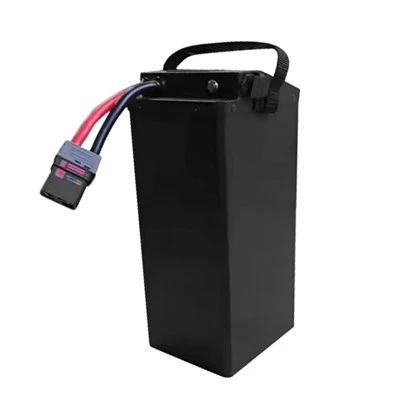
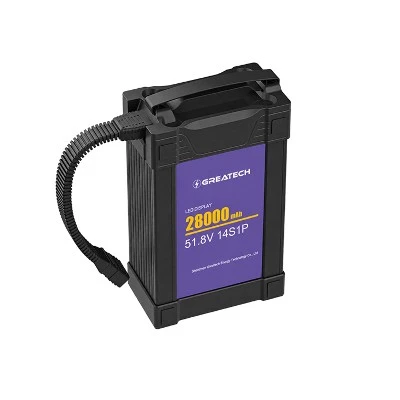
First, let's understand what a 5kWh battery means. The kilowatt - hour (kWh) is a unit of energy. A 5kWh battery can theoretically supply 5 kilowatts of power for one hour, or 1 kilowatt of power for five hours. The actual performance depends on various factors such as the battery's discharge rate, efficiency, and the load it is powering.
There are different types of 5kWh batteries, including lithium - ion, lead - acid, and nickel - based batteries, each with its own characteristics. Lithium - ion batteries are popular due to their high energy density, long cycle life, and relatively low self - discharge rate. Lead - acid batteries are more affordable but have lower energy density and shorter lifespans. Nickel - based batteries offer a balance between the two, with decent energy density and a reasonable price.
Suitability for Small - Scale Industrial Applications
Power Requirements
Many small - scale industrial applications have relatively modest power needs. For example, a small workshop with a few power - tools like drills, saws, and sanders may have a peak power demand of a few kilowatts. A 5kWh battery can potentially provide enough energy to run these tools for a certain period, especially if they are not all used simultaneously.
In some cases, small - scale industrial processes such as 3D printing or small - batch food processing may also have power requirements that can be met by a 5kWh battery. These applications often operate intermittently, which allows the battery to recharge during periods of low power consumption.
Backup Power
One of the significant advantages of using a 5kWh battery in small - scale industrial applications is for backup power. Power outages can be costly for businesses, leading to production losses and potential damage to equipment. A 5kWh battery can serve as a reliable backup power source, allowing the business to continue operating for a short period until the main power supply is restored.
For instance, a small data center or an industrial control system may require continuous power to prevent data loss and system failures. A 5kWh battery can provide enough backup power to keep these systems running until a generator can be started or the power grid is restored.
Energy Storage for Renewable Energy
Small - scale industrial facilities are increasingly turning to renewable energy sources such as solar panels and wind turbines to reduce their energy costs and carbon footprint. However, the intermittent nature of renewable energy generation can be a challenge. A 5kWh battery can store the excess energy generated during peak production periods and release it when the renewable energy source is not producing enough power.
For example, a small manufacturing plant with a solar panel installation on its roof can use a 5kWh battery to store the energy generated during the day and use it at night or during cloudy days. This helps to ensure a more stable and reliable energy supply for the industrial processes.
Limitations and Challenges
Power Capacity Limitations
While a 5kWh battery can be suitable for some small - scale industrial applications, it may not be sufficient for applications with high power demands. For example, large - scale manufacturing processes that require heavy machinery such as presses and furnaces typically have power requirements in the tens or even hundreds of kilowatts. In such cases, a single 5kWh battery would be unable to meet the power needs.
Cost - Benefit Analysis
The cost of a 5kWh battery is an important factor to consider. While the price of batteries has been decreasing in recent years, the initial investment can still be significant for small - scale industrial businesses. A cost - benefit analysis needs to be conducted to determine whether the benefits of using a 5kWh battery, such as backup power and energy storage, outweigh the costs.
Battery Lifespan and Maintenance
The lifespan of a 5kWh battery depends on various factors such as the type of battery, the number of charge - discharge cycles, and the operating conditions. Regular maintenance is also required to ensure the battery's optimal performance. For small - scale industrial businesses, the cost and effort associated with battery maintenance need to be taken into account.


Other Battery Options
If a 5kWh battery does not meet the requirements of a small - scale industrial application, there are other options available. For example, a 15KWh Energy Storage Battery can provide a higher energy capacity, suitable for applications with higher power demands or longer backup power requirements. On the other hand, a 3KWh Energy Storage Battery may be more cost - effective for applications with very low power requirements. Additionally, a 7KWh Energy Storage Battery offers a middle - ground option.
Conclusion
In conclusion, a 5kWh battery can be used in many small - scale industrial applications, especially those with modest power requirements, for backup power, or for energy storage in renewable energy systems. However, it is important to consider the limitations and challenges, such as power capacity, cost, and maintenance. By conducting a thorough analysis of the specific requirements of the industrial application, businesses can determine whether a 5kWh battery is the right choice.
If you are interested in exploring the potential of 5kWh batteries or other energy storage solutions for your small - scale industrial application, I encourage you to reach out for a detailed discussion. We can work together to find the most suitable battery solution for your business needs.
References
- "Battery Technology Handbook" by David Linden and Thomas Reddy
- "Renewable Energy Systems and Applications" by Godfrey Boyle