




Can a 72v battery be used in a power tool? That's a question I get asked a lot as a 72v battery supplier. And the answer isn't as straightforward as you might think.
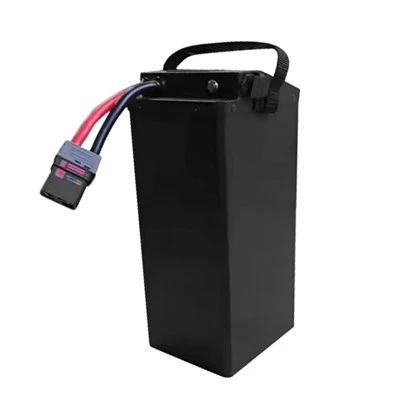
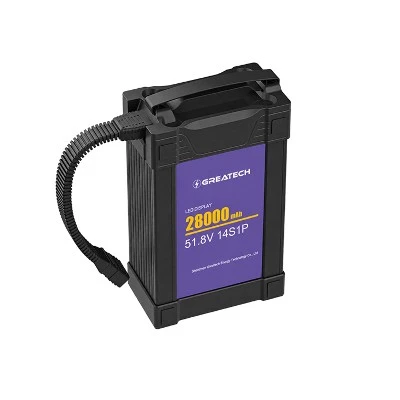
First off, let's talk about what a 72v battery is. It's a high - voltage battery that packs a lot of power. We offer some great options like the 72V 30Ah LiFePo4 Battery and the 72V 50Ah LiFePo4 Battery. These batteries are commonly used in electric motorcycles, but the idea of using them in power tools has been floating around.
Power tools usually come with their own specific voltage requirements. Most consumer - grade power tools operate on lower voltages, like 12v, 18v, or 20v. These lower voltages are safer and more suitable for the typical tasks these tools are designed for. For example, a small drill for home DIY projects doesn't need a huge amount of power, so a lower - voltage battery is sufficient.
But there are some heavy - duty power tools out there that might be able to handle a 72v battery. Industrial - grade saws, large - scale sanders, or high - torque impact wrenches could potentially benefit from the extra power a 72v battery can provide. The higher voltage means more current can flow, which in turn can result in greater torque and faster operation.
However, there are a few major considerations before you go ahead and try to use a 72v battery in a power tool.
Compatibility
The most important factor is compatibility. Power tools are designed to work with specific battery voltages and chemistries. Using a 72v battery in a tool that's not designed for it can damage the tool. The internal components of the tool, such as the motor, the circuit board, and the wiring, are all engineered to handle a certain amount of voltage. If you exceed that limit, you could fry the motor, cause short - circuits, or even start a fire.
For instance, the Electrical Motorcycle Battery 72V 30Ah LiFePO4 Battery Deep Cycle Battery is built for the demands of an electric motorcycle. The electrical system in a motorcycle is different from that of a power tool. The battery management system (BMS) in the motorcycle battery is calibrated to work with the motorcycle's electrical load and charging system. Putting this battery in a power tool might not only damage the tool but also cause the BMS to malfunction.


Safety
Safety is a huge concern. High - voltage batteries like 72v ones are more dangerous than lower - voltage batteries. They can deliver a much stronger electric shock, which can be life - threatening. If there's a short - circuit or a malfunction while using a 72v battery in a power tool, the consequences can be severe.
Also, charging a 72v battery requires a specific charger. Using the wrong charger can overcharge the battery, leading to overheating, swelling, or even an explosion. Make sure that if you're considering using a 72v battery in a power tool, you have the proper safety equipment and knowledge to handle it.
Performance
While a 72v battery can potentially offer more power, it doesn't always mean better performance. Power tools are optimized for a certain voltage range. Using a higher - voltage battery might not result in a proportional increase in performance. In fact, it could cause the tool to operate erratically. The motor might spin too fast, leading to poor control and inaccurate cuts or drilling.
Cost
72v batteries are usually more expensive than the standard batteries used in power tools. They also require more expensive charging equipment. If you're just using the power tool for occasional home use, the cost of switching to a 72v battery system might not be worth it.
When it might work
There are some scenarios where using a 72v battery in a power tool could make sense. If you're working on a large - scale industrial project where you need to use power tools continuously for long periods, and you have the budget and the safety measures in place, a 72v battery could be a viable option.
For example, in a construction site where you're using large saws to cut through thick materials all day, a 72v battery could provide the consistent power needed. You'd need to have a custom - made adapter to connect the battery to the tool, and you'd have to ensure that the tool can handle the extra voltage.
Modifying power tools for 72v batteries
If you're determined to use a 72v battery in a power tool, you might consider modifying the tool. But this is a very advanced and dangerous task. You'd need to have a deep understanding of electrical engineering and the inner workings of the power tool.
You'd have to replace the internal components of the tool to make them compatible with the higher voltage. This includes upgrading the motor, the circuit board, and the wiring. Even then, you'd need to test the tool thoroughly to make sure it's safe and functional.
Conclusion
So, can a 72v battery be used in a power tool? It's possible, but it's not recommended for most people. The risks of damage to the tool, personal injury, and high costs usually outweigh the potential benefits.
If you're an industrial user with the right expertise, budget, and safety protocols, it might be worth exploring. As a 72v battery supplier, I can provide you with high - quality batteries, but I always advise my customers to carefully consider the pros and cons before making a decision.
If you're interested in learning more about our 72v batteries or if you think you have a project where a 72v battery in a power tool could work, I'd love to have a chat with you. Reach out to me, and we can discuss your specific needs and see if our products are a good fit for you.
References
- "Battery Basics: Voltage and Power in Power Tools" - DIY Magazine
- "Safety Guidelines for High - Voltage Batteries" - Electrical Safety Council
- "Power Tool Design and Compatibility" - Industrial Tool Journal