




Hey there! As a supplier of lipo batteries, I often get asked a bunch of questions about these power - packed little guys. One question that pops up quite frequently is, "Can I discharge a lipo battery completely?" Let's dig into this topic and find out the ins and outs.
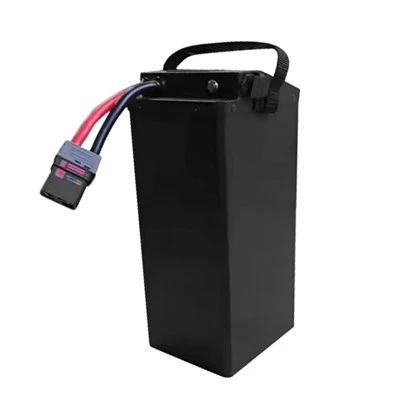
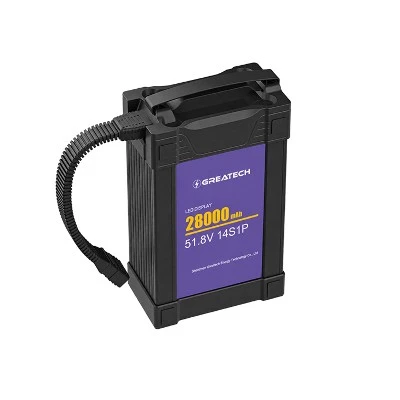
First off, let's understand what a lipo battery is. Lipo, short for lithium - polymer battery, is a type of rechargeable battery. They're super popular because they're lightweight, have a high energy density, and can provide a lot of power. You'll find them in all sorts of things, from RC cars and drones to some portable electronics.
Now, the big question: can you discharge a lipo battery completely? Well, technically, you can. But here's the deal – it's a really bad idea. Lipo batteries are a bit like divas. They need to be treated with care. When you discharge a lipo battery all the way to 0 volts, it can cause some serious damage.
One of the main problems is that when a lipo battery is fully discharged, the chemical reactions inside the battery start to go haywire. The electrodes can start to degrade, and the electrolyte can break down. This not only reduces the battery's capacity but can also lead to a shorter overall lifespan. In some cases, it can even make the battery unstable and potentially dangerous.


Another issue is that once a lipo battery is completely discharged, it can be really hard to recharge it. Most chargers are designed to detect a minimum voltage before they start the charging process. If the battery is at 0 volts, the charger might not recognize it, or it could try to charge it in an unsafe way.
So, what's the safe level to discharge a lipo battery? Generally, it's recommended to stop discharging when the voltage per cell reaches around 3.0 - 3.2 volts. A typical lipo battery has multiple cells connected in series. For example, a 3S lipo battery has three cells, so you'd want to stop discharging when the total voltage is around 9.0 - 9.6 volts.
Let me give you an example. Say you're using a lipo battery in your RC plane. You're out flying, having a great time, and you notice that the plane starts to lose power. That's a sign that the battery is getting low. You should land the plane and check the battery voltage. If it's getting close to the recommended minimum, it's time to stop using it and recharge.
Now, I know some of you might be thinking, "But I've discharged my lipo battery completely before, and it still works." Well, you might have gotten lucky. Sometimes, a lipo battery can survive a full discharge without too much damage. But it's like playing Russian roulette with your battery. The more you do it, the higher the chances of something going wrong.
As a lipo battery supplier, I've seen my fair share of damaged batteries. Customers come to me complaining that their batteries don't hold a charge like they used to, or they're not providing enough power. More often than not, it's because they've discharged the batteries too deeply.
If you're in the market for a new lipo battery, we've got some great options. Check out our 3.7V 10000mAh Lipo Battery. It's a high - capacity battery that's perfect for a variety of applications. Or if you need a battery that can handle high - rate discharges, take a look at our 3.7V 10Ah 15C High Rate Polymer Battery Soft Pack Lithium. And for even more power, our 3.7V 3.4Ah 35C High Rate Polymer Battery Soft Pack Lithium is a top - notch choice.
To keep your lipo batteries in good shape, here are some tips. First, always use a proper charger. A good charger will have features like over - charge protection and cell balancing. Second, store your batteries at the right voltage. It's best to store them at around 3.8 - 3.85 volts per cell. Third, don't expose your batteries to extreme temperatures. High temperatures can speed up the degradation process, and low temperatures can reduce the battery's performance.
In conclusion, while it's possible to discharge a lipo battery completely, it's not something you should do. By following the recommended discharge levels and taking good care of your batteries, you can ensure that they last longer and perform better.
If you're interested in purchasing lipo batteries or have any questions about them, feel free to reach out. We're here to help you find the perfect battery for your needs.
References:
- Battery University: A great resource for all things battery - related. It has in - depth articles on battery chemistry, charging, and discharging.
- Various industry reports on lithium - polymer battery technology and best practices.