




As a supplier of 4S batteries, I often receive inquiries about how to properly dispose of these power sources. Given the environmental and safety concerns associated with battery disposal, it's crucial to understand the correct methods. In this blog post, I'll share some insights on how to dispose of a 4S battery safely and responsibly.
Understanding 4S Batteries
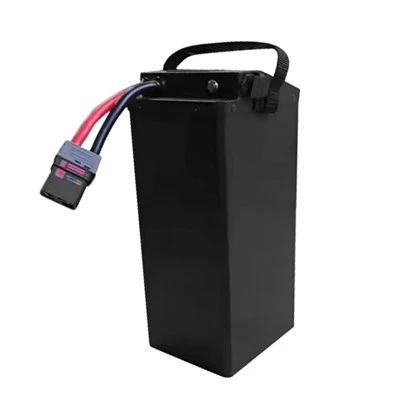
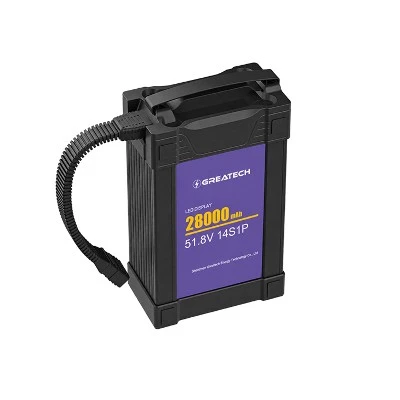
Before delving into the disposal process, let's briefly understand what 4S batteries are. A 4S battery refers to a lithium - polymer (LiPo) battery pack composed of four cells connected in series. These batteries are commonly used in various applications, including drones, remote - controlled vehicles, and some portable electronic devices. The nominal voltage of a 4S LiPo battery is around 14.8V, and they come in different capacities such as 14.8V 10000mAh Lipo Battery, 14.8V 22000mAh Lipo Battery, and 14.8V 16000mAh Lipo Battery.
Why Proper Disposal Matters
Lithium - polymer batteries, like 4S batteries, contain chemicals and heavy metals that can be harmful to the environment if not disposed of correctly. These substances can contaminate soil, water sources, and pose risks to human health. Additionally, improper disposal can lead to safety hazards such as fires or explosions, especially if the battery is damaged or not fully discharged.


Pre - Disposal Steps
Discharging the Battery
The first and most important step in disposing of a 4S battery is to fully discharge it. A fully discharged battery is much safer to handle and dispose of. You can use a battery discharger, which is a device specifically designed to safely drain the battery's power. If you don't have a discharger, you can also use a simple resistor - based discharge circuit. However, this method requires more caution and knowledge of electrical circuits.
When discharging the battery, monitor the process closely. Never leave a discharging battery unattended, as over - discharging can damage the battery and increase the risk of fire. Once the battery voltage drops to around 3.0V per cell (or 12V for a 4S battery), it is considered fully discharged.
Inspecting the Battery
After discharging, carefully inspect the battery for any signs of damage, such as swelling, punctures, or leaks. Damaged batteries are more likely to cause problems during disposal. If you notice any damage, take extra precautions. For example, if the battery is leaking, place it in a sealed container to prevent the leakage of harmful chemicals.
Disposal Methods
Recycling Centers
One of the best ways to dispose of a 4S battery is to take it to a specialized battery recycling center. These centers have the equipment and expertise to safely handle and recycle lithium - polymer batteries. They can extract valuable materials from the battery, such as lithium, cobalt, and nickel, and reuse them in the production of new batteries or other products.
To find a battery recycling center near you, you can check with your local environmental protection agency or search online. Many recycling centers accept a variety of battery types, including 4S LiPo batteries. When taking the battery to the recycling center, make sure to follow their instructions regarding packaging and handling.
Manufacturer Take - Back Programs
Some battery manufacturers offer take - back programs. These programs allow you to return used batteries to the manufacturer for proper recycling. Contact the manufacturer of your 4S battery to see if they have such a program. If they do, they will provide you with instructions on how to send the battery back, which may include packaging requirements and shipping details.
Household Hazardous Waste Collection Events
Many municipalities organize household hazardous waste collection events on a regular basis. These events provide a convenient way for residents to dispose of hazardous materials, including batteries, safely. Check your local government's website or community bulletin boards for information on upcoming collection events.
What Not to Do
Throwing in the Trash
Never throw a 4S battery in the regular trash. This is extremely dangerous and can lead to environmental contamination and safety risks. Batteries in the trash can end up in landfills, where they can leak harmful chemicals into the soil and groundwater.
Incineration
Do not attempt to incinerate a 4S battery. Lithium - polymer batteries can explode when exposed to high temperatures, posing a serious threat to life and property. Incineration also releases toxic fumes into the air, which is harmful to the environment and human health.
Storing Batteries Temporarily
If you are unable to dispose of the battery immediately, you need to store it properly. Store the fully discharged battery in a cool, dry place. Avoid storing it in direct sunlight or near sources of heat, as this can cause the battery to heat up and potentially become unstable. You can use a fire - resistant storage container to store the battery, which provides an extra layer of safety.
Importance of Educating Others
As a 4S battery supplier, I believe it's my responsibility to educate my customers about proper battery disposal. I often include information about battery disposal in the product packaging and on my website. By spreading awareness, we can encourage more people to dispose of their batteries responsibly, which is beneficial for both the environment and public safety.
Conclusion
Proper disposal of 4S batteries is essential for protecting the environment and ensuring public safety. By following the steps outlined in this blog post, you can safely and responsibly dispose of your used 4S batteries. Whether you choose to take them to a recycling center, participate in a manufacturer take - back program, or use a household hazardous waste collection event, every effort counts towards a cleaner and safer world.
If you are interested in purchasing high - quality 4S batteries for your projects, I invite you to contact me for more information and to discuss your specific requirements. We offer a wide range of 4S batteries with different capacities and specifications to meet your needs.
References
- Battery Council International. (n.d.). Battery Recycling Guide.
- Environmental Protection Agency. (n.d.). Household Hazardous Waste.