




When it comes to the exhilarating world of RC quadcopters with FPV (First-Person View) goggles, one of the most common questions that enthusiasts often ask is, "Can I use a 3S battery in my RC quadcopter with FPV goggles?" As a supplier of 3S batteries, I'm here to shed some light on this topic and provide you with all the information you need to make an informed decision.
Understanding 3S Batteries
First, let's understand what a 3S battery is. In the context of RC quadcopters, the "S" stands for "series." A 3S battery means that it consists of three cells connected in series. Each lithium - polymer (LiPo) cell typically has a nominal voltage of 3.7V. So, a 3S LiPo battery has a nominal voltage of 3 x 3.7V = 11.1V.
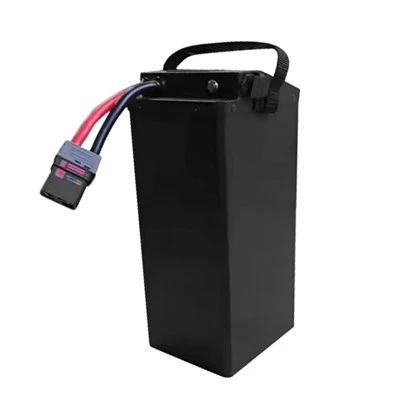
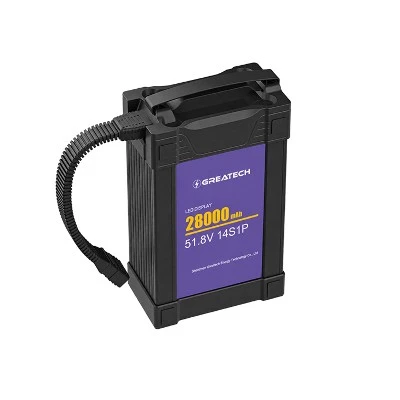
The capacity of a battery, measured in milliampere - hours (mAh), indicates how much charge the battery can store. For example, we offer 11.1V 5000mAh Lipo Battery, 11.1V 6000mAh Lipo Battery, and 11.1V 10000mAh Lipo Battery. A higher mAh rating generally means longer flight times, but it also usually means a heavier and potentially more expensive battery.
Compatibility with RC Quadcopter
The first factor to consider when deciding if you can use a 3S battery in your RC quadcopter is the voltage requirements of the quadcopter. Most RC quadcopters are designed to work with a specific voltage range. Many entry - level and mid - range quadcopters are designed to operate with 3S batteries. These quadcopters have electronic speed controllers (ESCs), motors, and other components that are rated for 11.1V.


However, some high - performance or larger quadcopters may require higher voltages, such as 4S (14.8V) or even 6S (22.2V) batteries. Using a 3S battery in a quadcopter that is designed for a higher voltage may result in reduced performance. The quadcopter may not be able to reach its maximum speed, altitude, or maneuverability.
On the other hand, using a higher - voltage battery in a quadcopter designed for 3S can be extremely dangerous. It can damage the ESCs, motors, and other electronic components due to over - voltage, potentially causing a fire or other serious issues.
Impact on FPV Goggles
The use of a 3S battery in your RC quadcopter generally has no direct impact on the FPV goggles. FPV goggles are powered independently, usually by their own internal batteries or an external power source. However, the performance of the quadcopter can indirectly affect the FPV experience.
If the quadcopter is under - powered due to an inappropriate battery, it may not be able to fly smoothly or perform complex maneuvers. This can lead to a less immersive and enjoyable FPV experience. A well - powered quadcopter, on the other hand, can provide a stable flight, allowing you to fully enjoy the view through the FPV goggles.
Flight Time and Performance
As mentioned earlier, the capacity of the 3S battery plays a crucial role in determining the flight time of your RC quadcopter. A 11.1V 5000mAh battery will generally provide less flight time compared to a 11.1V 10000mAh battery. However, it's important to note that flight time is also affected by other factors such as the weight of the quadcopter, the type of motors, the flying style (aggressive flying will consume more power), and environmental conditions.
In terms of performance, a 3S battery can provide sufficient power for most recreational and light - commercial quadcopter applications. It can offer a good balance between power, weight, and cost. If you're into acrobatic flying or need to carry heavy payloads, you may need to consider a higher - capacity or higher - voltage battery.
Safety Considerations
When using 3S batteries in your RC quadcopter, safety should always be a top priority. LiPo batteries are known for their high energy density, but they can also be dangerous if not handled properly.
- Charging: Always use a charger that is specifically designed for LiPo batteries and is capable of charging 3S batteries. Over - charging or under - charging can damage the battery and increase the risk of fire.
- Storage: Store LiPo batteries in a fire - proof container when not in use. Keep them at a proper storage voltage (usually around 3.8V per cell).
- Inspection: Regularly inspect the battery for any signs of damage, such as swelling, cuts, or leaks. If you notice any damage, do not use the battery and dispose of it properly.
Choosing the Right 3S Battery
When choosing a 3S battery for your RC quadcopter, consider the following factors:
- Capacity: Based on your desired flight time and the weight your quadcopter can handle.
- Discharge Rate (C - Rating): This indicates how quickly the battery can deliver power. A higher C - rating is better for high - performance flying.
- Brand and Quality: Choose a reputable brand to ensure the reliability and safety of the battery.
Conclusion
In conclusion, in most cases, you can use a 3S battery in your RC quadcopter with FPV goggles, especially if your quadcopter is designed for 11.1V operation. However, it's essential to consider the voltage requirements of your quadcopter, the impact on performance, and safety considerations.
If you're looking for high - quality 3S batteries for your RC quadcopter, we offer a wide range of options, including 11.1V 5000mAh Lipo Battery, 11.1V 6000mAh Lipo Battery, and 11.1V 10000mAh Lipo Battery. We are committed to providing you with reliable and safe battery solutions for your RC adventures.
If you have any questions about our products or need help in choosing the right battery for your quadcopter, feel free to reach out to us. We're here to assist you in making the best decision for your needs. Let's start a conversation about your battery requirements and take your RC quadcopter experience to the next level.
References
- RC Groups: A comprehensive online community for RC enthusiasts with a wealth of information on quadcopters and batteries.
- HobbyKing: An online hobby store that provides detailed product information and guides on RC batteries.
- LiPo Battery Safety Manuals: Published by various battery manufacturers, these manuals offer in - depth safety guidelines for handling LiPo batteries.