




Hey there! As a 24v battery supplier, I've seen my fair share of batteries in good shape and not - so - good shape. Maintaining a 24v battery isn't rocket science, but it does require some know - how. In this blog, I'll share some tips on how you can keep your 24v battery in top - notch condition.
Understanding Your 24v Battery
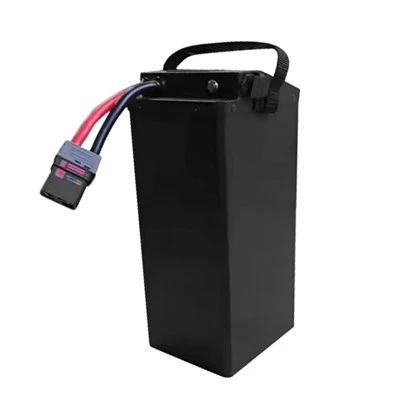
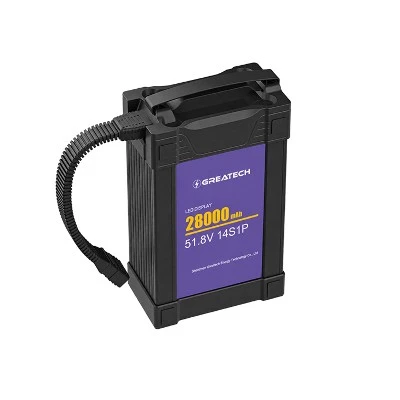
First things first, let's talk about what a 24v battery is. A 24v battery is essentially a power source that provides 24 volts of electrical energy. These batteries come in different capacities, like the 24V 150Ah Battery, 24V 300Ah Battery, and 24V 500Ah Battery. The "Ah" stands for ampere - hours, which is a measure of the battery's capacity. The higher the Ah rating, the more energy the battery can store.
There are different types of 24v batteries, such as lead - acid, lithium - ion, and nickel - cadmium. Each type has its own characteristics, advantages, and maintenance requirements. For example, lead - acid batteries are commonly used in vehicles and solar power systems. They're relatively inexpensive but require more maintenance compared to lithium - ion batteries.
Regular Inspections
One of the most important steps in battery maintenance is regular inspections. You should check your 24v battery at least once a month, or more often if it's used frequently.
Visual Inspection: Look for any signs of physical damage, like cracks, leaks, or bulges. If you notice any of these issues, it's a red flag. A cracked battery can lead to electrolyte leakage, which is not only dangerous but can also damage the battery and other components in your system. Leaking electrolyte can corrode the battery terminals and other nearby parts.
Terminal Inspection: Check the battery terminals for corrosion. Corrosion on the terminals can increase the resistance in the electrical circuit, which means your battery won't be able to deliver power efficiently. You can clean the terminals using a mixture of baking soda and water. Just make sure to disconnect the battery before cleaning to avoid any electrical shocks.
Charging Properly
Proper charging is crucial for the longevity of your 24v battery. Overcharging or undercharging can significantly reduce the battery's lifespan.
Use the Right Charger: Make sure you're using a charger that's designed for your specific 24v battery. Different battery types require different charging voltages and currents. Using the wrong charger can damage the battery. For example, a lead - acid battery needs a charger that can provide a constant - voltage charge at the appropriate level.
Don't Overcharge: Once the battery is fully charged, stop the charging process. Overcharging can cause the battery to overheat, which can damage the internal components. Some modern chargers have built - in automatic shut - off features to prevent overcharging, but it's still a good idea to keep an eye on the charging process.
Avoid Deep Discharges: Try to avoid letting your battery discharge too deeply. Most batteries perform best when they're kept between 20% and 80% of their capacity. Deep discharges can cause irreversible damage to the battery cells.
Temperature Management
Temperature can have a big impact on the performance and lifespan of your 24v battery.
Avoid Extreme Temperatures: High temperatures can accelerate the chemical reactions inside the battery, which can lead to faster degradation. On the other hand, low temperatures can reduce the battery's capacity and make it harder for the battery to deliver power. If possible, store and use your battery in a temperature - controlled environment.
Thermal Management Systems: In some applications, especially those that use lithium - ion batteries, thermal management systems are used to keep the battery at an optimal temperature. These systems can help improve the battery's performance and extend its lifespan.
Storage
If you're not going to use your 24v battery for an extended period, proper storage is essential.
Charge the Battery: Before storing the battery, make sure it's fully charged. A fully charged battery is less likely to develop sulfation, which is a common problem in lead - acid batteries. Sulfation occurs when lead sulfate crystals form on the battery plates, reducing the battery's capacity.
Store in a Cool, Dry Place: Find a cool and dry place to store the battery. Avoid storing it in direct sunlight or in a damp environment. You can also use a battery maintainer or trickle charger to keep the battery charged during storage.
Electrolyte Maintenance (for Lead - Acid Batteries)
If you have a lead - acid 24v battery, you need to pay attention to the electrolyte level.
Check the Electrolyte Level: The electrolyte in a lead - acid battery is a mixture of sulfuric acid and water. Over time, the water in the electrolyte can evaporate, especially if the battery is frequently charged and discharged. Check the electrolyte level regularly and add distilled water if necessary. Make sure not to overfill the battery.


Use Distilled Water: Only use distilled water to top up the electrolyte. Tap water contains minerals that can contaminate the electrolyte and damage the battery.
Monitoring the Battery
Monitoring the battery's performance can help you catch any potential problems early.
Use a Battery Monitor: A battery monitor can provide you with valuable information about the battery's state of charge, voltage, and current. This can help you determine if the battery is being charged and discharged properly.
Keep a Maintenance Log: Keeping a log of your battery's maintenance activities, such as charging cycles, inspections, and any issues you've noticed, can be very helpful. It can help you track the battery's performance over time and identify any patterns or trends.
Conclusion
Maintaining a 24v battery isn't all that complicated if you follow these simple steps. Regular inspections, proper charging, temperature management, and electrolyte maintenance (for lead - acid batteries) are key to keeping your battery in good condition.
If you're in the market for a high - quality 24v battery or have any questions about battery maintenance, feel free to reach out to us. We're here to help you find the right battery for your needs and ensure that it lasts as long as possible. Whether you need a 24V 150Ah Battery, 24V 300Ah Battery, or 24V 500Ah Battery, we've got you covered.
References
- Battery University: A comprehensive resource for battery information and maintenance tips.
- Various battery manufacturer manuals and technical documents.