







As a 6V battery supplier, I've often been asked about how to improve the self - discharge performance of a 6V battery. Self - discharge is a common phenomenon in batteries, which refers to the loss of charge when the battery is not in use. This can significantly affect the battery's shelf life and performance, especially for 6V batteries that are widely used in various applications such as toys, small electronic devices, and emergency lighting.
Understanding Self - Discharge in 6V Batteries
Before we delve into the ways to improve self - discharge performance, it's essential to understand what causes self - discharge in 6V batteries. There are several factors contributing to self - discharge:
- Internal Chemical Reactions: Inside the battery, there are chemical reactions that occur spontaneously even when the battery is not connected to a load. For example, in lead - acid 6V batteries, the lead plates react with the sulfuric acid electrolyte over time, causing a slow loss of charge.
- Impurities in the Battery Materials: Impurities in the electrodes, electrolyte, or separator can act as catalysts for unwanted chemical reactions, accelerating self - discharge.
- Temperature: High temperatures can increase the rate of chemical reactions inside the battery, leading to a faster self - discharge rate.
Strategies to Improve Self - Discharge Performance
1. Optimize Battery Design
- Electrode Material Selection: Using high - purity electrode materials can reduce the presence of impurities that cause self - discharge. For example, in lead - acid 6V batteries, pure lead or lead alloys with low impurity levels can be used for the electrodes.
- Separator Design: A high - quality separator can prevent the short - circuit between the positive and negative electrodes, which can reduce self - discharge. The separator should have good chemical stability and high ionic conductivity.
2. Control the Manufacturing Process
- Clean Manufacturing Environment: A clean manufacturing environment can minimize the introduction of impurities during the battery production process. This includes controlling the dust, moisture, and other contaminants in the production area.
- Precise Assembly: Ensuring precise assembly of the battery components can reduce internal short - circuits and other issues that may lead to self - discharge. For example, proper alignment of the electrodes and the separator is crucial.
3. Manage Storage Conditions
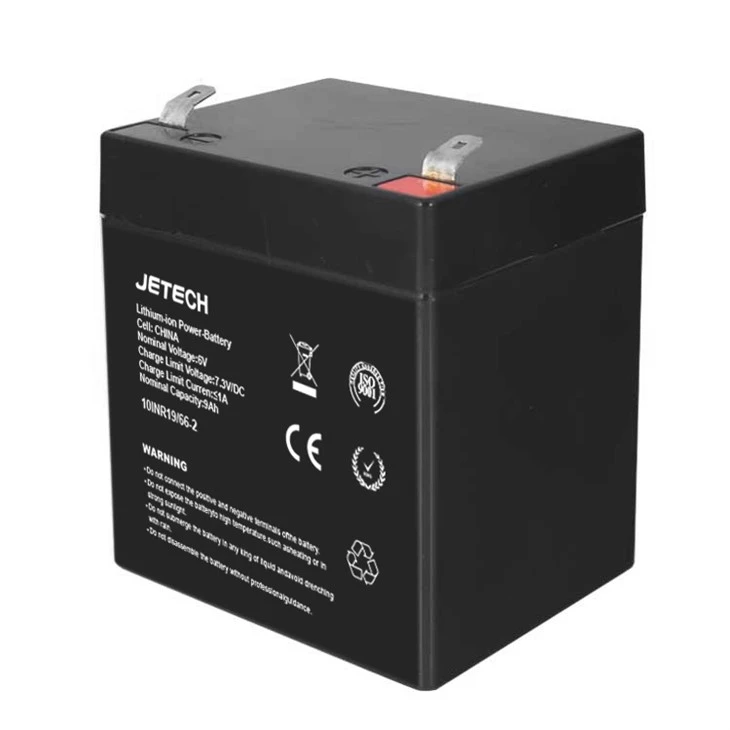
- Temperature Control: Storing 6V batteries at a low and stable temperature can significantly reduce the self - discharge rate. Ideally, the storage temperature should be between 10°C and 25°C. For example, if you store a 6V 9Ah Battery in a hot environment, the self - discharge rate will be much higher compared to storing it in a cool place.
- Charge State: Keeping the battery at an appropriate charge state during storage can also help. For lead - acid batteries, it is recommended to store them at a fully charged state and recharge them periodically to maintain the charge level.
4. Use Additives
- Electrolyte Additives: Some additives can be added to the electrolyte to reduce self - discharge. For example, certain organic compounds can form a protective layer on the electrode surface, which can slow down the chemical reactions that cause self - discharge.
- Anti - oxidation Additives: These additives can prevent the oxidation of the electrodes, which is one of the main causes of self - discharge in some battery types.
Case Studies
Let's take a look at some real - world examples of how these strategies have been applied to improve the self - discharge performance of 6V batteries.
- Company A: This company optimized the electrode material of their 6V 4Ah Battery by using high - purity lead. They also improved the separator design to prevent short - circuits. As a result, the self - discharge rate of their 6V 4Ah battery was reduced by 30% compared to the previous model.
- Company B: By controlling the manufacturing environment and precisely assembling the battery components, Company B was able to reduce the self - discharge rate of their 6V 7Ah Battery. They also stored the batteries at a low and stable temperature, which further improved the battery's shelf life.
Conclusion
Improving the self - discharge performance of a 6V battery is a multi - faceted task that involves optimizing battery design, controlling the manufacturing process, managing storage conditions, and using additives. By implementing these strategies, we can significantly reduce the self - discharge rate of 6V batteries, which in turn improves their shelf life and performance.
If you are interested in our 6V batteries or have any questions about improving self - discharge performance, please feel free to contact us for procurement and further discussion. We are committed to providing high - quality 6V batteries with excellent self - discharge performance to meet your needs.

References
- Battery Technology Handbook, edited by David Linden.
- Electrochemical Power Sources: Fundamentals, Systems, and Applications by J. O'M. Bockris and A. K. N. Reddy.


