




Hey there! As a supplier of 48V batteries, I've been getting a lot of questions lately about how to improve the charging speed of these batteries. Well, you're in luck because I'm gonna share some tips and tricks that can help you juice up your 48V battery faster.
First off, let's understand a bit about 48V batteries. They're commonly used in a variety of applications, like electric motorcycles, golf carts, and some small electric vehicles. The charging speed of a 48V battery depends on several factors, including the battery's capacity, the charger's output, and the charging method.
Choose the Right Charger
One of the most important things you can do to speed up the charging process is to use the right charger. A charger with a higher output voltage and current can charge your battery faster. For example, if you have a 48V 20Ah Lithium Ion Battery, using a charger that can deliver a higher current within the battery's safe charging range will significantly reduce the charging time.
However, you need to be careful not to overdo it. Using a charger with too high an output can damage the battery and even pose a safety risk. Always check the battery's specifications and the charger's compatibility before making a purchase.
Consider the Battery Chemistry
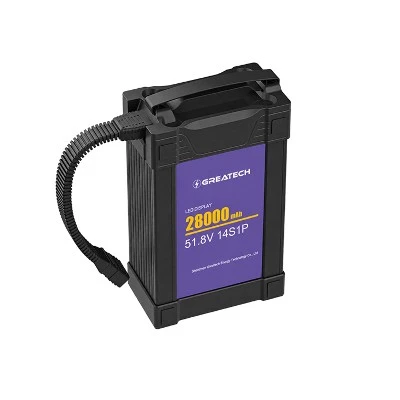
Different battery chemistries have different charging characteristics. Lithium-ion batteries, for instance, generally support faster charging compared to lead-acid batteries. If you're looking for a quick-charging option, a 48V 24Ah Lithium Ion Battery might be a better choice.
Lithium-ion batteries have a higher energy density and can handle higher charging currents without significant degradation. They also have a lower self-discharge rate, which means they can hold their charge for longer periods.
Optimize the Charging Environment
The temperature of the charging environment can also affect the charging speed. Batteries charge more efficiently at moderate temperatures. If it's too cold, the chemical reactions inside the battery slow down, and the charging process becomes slower. On the other hand, if it's too hot, the battery can overheat, which can damage the battery and reduce its lifespan.
Try to charge your battery in a cool, well-ventilated area. Avoid charging it in direct sunlight or in a hot garage. If you're charging the battery in a cold environment, you might want to pre-warm it slightly to improve the charging efficiency.
Use a Smart Charger
A smart charger can automatically adjust the charging current and voltage based on the battery's state of charge. This helps to optimize the charging process and prevent overcharging. Smart chargers also have built-in safety features, such as overcharge protection and short-circuit protection, which can protect your battery from damage.
Some smart chargers even have a fast-charging mode that can significantly reduce the charging time. However, keep in mind that using the fast-charging mode too often can still have a negative impact on the battery's lifespan.
Battery Maintenance
Regular battery maintenance can also help improve the charging speed. Make sure to keep the battery terminals clean and free of corrosion. Corroded terminals can increase the resistance in the charging circuit, which can slow down the charging process.
You should also check the battery's electrolyte level (if it's a lead-acid battery) and top it up with distilled water if necessary. For lithium-ion batteries, avoid deep discharges and try to keep the battery charged between 20% and 80% to prolong its lifespan.
Parallel Charging
If you have multiple 48V batteries, you can consider parallel charging. Parallel charging involves connecting multiple batteries in parallel to a single charger. This effectively increases the overall capacity of the battery bank while maintaining the same voltage.
By charging multiple batteries at the same time, you can reduce the charging time per battery. However, you need to make sure that all the batteries have the same voltage and capacity before connecting them in parallel. Otherwise, you might end up with uneven charging and damage to the batteries.
Upgrade Your Battery
If you're still not satisfied with the charging speed after trying all the above methods, you might want to consider upgrading your battery. A newer battery with a higher capacity and better charging characteristics can charge faster and provide better performance.
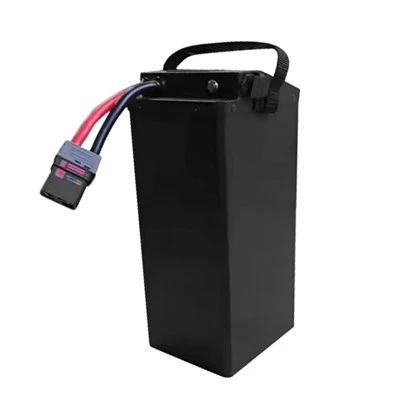
For example, the Motorcycle Battery JT-EMB13-01 is designed to offer fast charging and long-lasting performance. It's a great option for those who need a reliable and high-performance 48V battery.
In conclusion, improving the charging speed of a 48V battery requires a combination of the right charger, proper battery chemistry, optimized charging environment, and regular maintenance. By following these tips, you can significantly reduce the charging time and get back on the road or keep your vehicle running more efficiently.
If you're interested in purchasing high-quality 48V batteries or have any questions about battery charging, feel free to reach out. We're here to help you find the best battery solutions for your needs. Let's start a conversation and see how we can work together to meet your battery requirements.


References
- Battery University: A comprehensive resource for battery knowledge and charging techniques.
- Manufacturer's specifications for 48V batteries and chargers.