




As a supplier of 24V 150Ah batteries, I understand the importance of properly monitoring the charging process. A well - monitored charging process not only extends the battery's lifespan but also ensures its optimal performance. In this blog, I'll share some effective ways to monitor the charging process of a 24V 150Ah battery.
Understanding the Basics of a 24V 150Ah Battery
Before diving into the monitoring methods, it's essential to have a basic understanding of what a 24V 150Ah battery is. The "24V" refers to the nominal voltage of the battery, which is suitable for various applications that require this specific voltage level, such as some industrial equipment and larger off - grid power systems. The "150Ah" (ampere - hour) indicates the battery's capacity, meaning it can theoretically supply a current of 150 amperes for one hour, or 1 ampere for 150 hours, under ideal conditions.
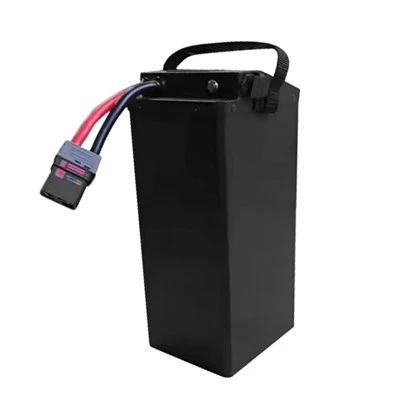
You can learn more about our 24V 150Ah Battery on our website.
Why Monitoring the Charging Process is Crucial
Overcharging a 24V 150Ah battery can lead to excessive heat generation, electrolyte loss, and accelerated plate corrosion, all of which significantly reduce the battery's lifespan. On the other hand, undercharging can result in sulfation, where lead sulfate crystals build up on the battery plates, reducing the battery's capacity and performance. Monitoring the charging process helps maintain the battery within the optimal charging range, preventing these issues.
Methods of Monitoring the Charging Process
1. Voltage Monitoring
Voltage is one of the most straightforward and commonly used parameters to monitor during the charging process. A fully charged 24V lead - acid battery typically has a voltage of around 27 - 28V. As the battery charges, the voltage gradually increases.
- Using a Voltmeter: A simple digital voltmeter can be used to measure the battery's voltage at regular intervals. Connect the voltmeter's positive lead to the battery's positive terminal and the negative lead to the negative terminal. During the initial stage of charging, the voltage rises rapidly, and then the rate of increase slows down as the battery approaches full charge. If the voltage exceeds the recommended maximum voltage for an extended period, it may indicate overcharging.
- Voltage Monitoring Systems: For more advanced monitoring, there are dedicated voltage monitoring systems available. These systems can continuously monitor the battery voltage and provide real - time data. Some can even send alerts when the voltage goes out of the specified range.
2. Current Monitoring
Monitoring the charging current is also crucial. As the battery charges, the charging current should gradually decrease. In the initial stage of charging, a relatively high current is applied to quickly replenish the battery's charge. As the battery approaches full charge, the current should be reduced to avoid overcharging.
- Ammeter: An ammeter can be used to measure the charging current. Similar to using a voltmeter, connect the ammeter in series with the charging circuit. By observing the change in current over time, you can determine the state of the charging process. If the current does not decrease as expected, it may indicate a problem with the battery or the charging system.
- Smart Chargers with Current Monitoring: Many modern smart chargers come with built - in current monitoring capabilities. These chargers can automatically adjust the charging current based on the battery's state of charge, ensuring a safe and efficient charging process.
3. Temperature Monitoring
Temperature plays a vital role in the charging process of a 24V 150Ah battery. During charging, the battery generates heat, and excessive heat can damage the battery.
- Thermometer: A simple thermometer can be used to measure the battery's surface temperature. Place the thermometer on the battery case, preferably near the center. The normal operating temperature for a lead - acid battery during charging is usually between 20 - 40°C (68 - 104°F). If the temperature exceeds 50°C (122°F), it's a sign of overheating, and the charging process should be stopped immediately.
- Temperature Sensors: More advanced monitoring setups use temperature sensors. These sensors can be placed inside the battery or in close proximity to it. They can provide continuous temperature data and are often integrated with charging controllers to adjust the charging parameters based on the temperature.
4. State of Charge (SOC) Monitoring
Determining the battery's state of charge is essential for proper charging management. There are several methods to estimate the SOC:
- Specific Gravity Measurement (for Lead - Acid Batteries): For lead - acid batteries, the specific gravity of the electrolyte is related to the state of charge. A hydrometer can be used to measure the specific gravity of the electrolyte in each cell. As the battery charges, the specific gravity increases. However, this method requires opening the battery cells, which may not be suitable for sealed batteries.
- SOC Calculation Based on Voltage and Current: Some advanced battery management systems can calculate the SOC based on the battery's voltage and the charging/discharging current over time. These systems use algorithms to estimate the remaining charge in the battery.
Advanced Monitoring Solutions
In addition to the basic monitoring methods mentioned above, there are more advanced solutions available:
- Battery Management Systems (BMS): A BMS is a comprehensive system that can monitor multiple parameters of the battery, including voltage, current, temperature, and SOC. It can also control the charging process by adjusting the charging voltage and current. BMS can provide detailed reports and data logging, which is useful for long - term battery management.
- Remote Monitoring: With the development of IoT (Internet of Things) technology, remote monitoring of the battery charging process is becoming more popular. Using sensors and communication modules, the battery's status can be transmitted to a central server or a mobile device. This allows users to monitor the battery from anywhere and receive real - time alerts.
Other Considerations
- Charging Algorithm Compatibility: Make sure the charging algorithm of the charger is compatible with the 24V 150Ah battery. Different battery chemistries and types require different charging algorithms. For example, lead - acid batteries and lithium - ion batteries have different charging requirements.
- Regular Maintenance: Even with proper monitoring, regular maintenance of the battery is still necessary. This includes checking the battery terminals for corrosion, ensuring proper ventilation, and topping up the electrolyte (for non - sealed lead - acid batteries) if needed.
Conclusion
Monitoring the charging process of a 24V 150Ah battery is essential for ensuring its long - term performance and lifespan. By using a combination of voltage, current, temperature, and state of charge monitoring methods, you can effectively manage the charging process and prevent overcharging and undercharging.
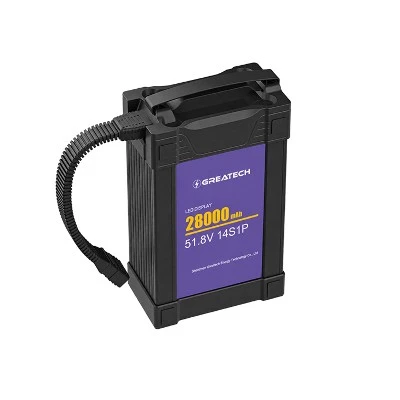
We also offer other battery products, such as 24V 500Ah Battery and 24V 400Ah Battery. If you are interested in our products or have any questions about battery charging monitoring, please feel free to contact us for procurement and further discussions.


References
- Linden, D., & Reddy, T. B. (2002). Handbook of Batteries (3rd ed.). McGraw - Hill.
- Doerffel, K. (2010). Battery Management Systems: Design by Modelling. Springer.