




Hey there! As an 80V battery supplier, I often get asked this burning question: "Is an 80V battery safe?" Well, let's dive right into it and break down all the aspects to give you a clear picture.
First off, it's crucial to understand that the safety of an 80V battery depends on a bunch of factors. One of the main things is the battery chemistry. We commonly deal with lithium - ion and LiFePo4 (Lithium Iron Phosphate) batteries in the 80V range.
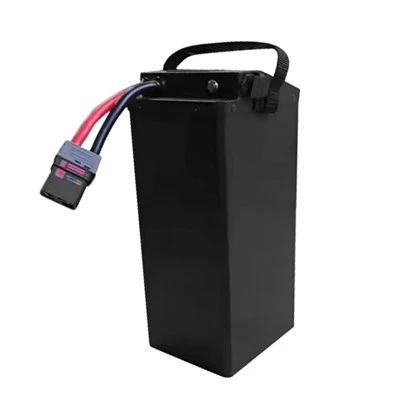
Lithium - ion batteries are pretty popular due to their high energy density. They can store a lot of power in a relatively small space, which is great for applications where size and weight matter, like in some high - performance electric vehicles or power tools. For instance, our 80V 50Ah Lithium Ion Battery packs a punch in terms of energy storage. But they do come with some risks. Lithium - ion batteries can be sensitive to overcharging, over - discharging, and high temperatures. If they're not properly managed, there's a chance of thermal runaway. That's when the battery heats up uncontrollably, and in the worst - case scenario, it can lead to fires or explosions. However, modern lithium - ion batteries are usually equipped with Battery Management Systems (BMS). These systems are like the guardians of the battery. They monitor things like voltage, current, and temperature. If anything goes out of the safe range, the BMS will take action, like cutting off the charging or discharging process to prevent damage.
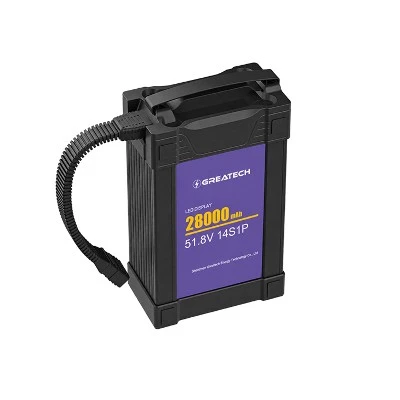
On the other hand, LiFePo4 batteries have a different story. LiFePo4 is known for its excellent thermal stability. It's much less likely to experience thermal runaway compared to traditional lithium - ion batteries. Our 80V 100Ah LiFePo4 Battery and 80V 200Ah LiFePo4 Battery are great examples of this. They can withstand higher temperatures without getting into dangerous situations. LiFePo4 also has a longer cycle life, which means they can be charged and discharged more times before their performance starts to degrade. This makes them a safer and more reliable option for long - term use.
Another factor that affects the safety of 80V batteries is the manufacturing process. At our place, we follow strict quality control measures. We use high - quality materials and advanced production techniques to ensure that each battery meets the highest safety standards. We test every single battery before it leaves our factory. We check for things like short - circuits, voltage consistency, and how well the battery performs under different conditions. This way, we can catch any potential problems early on and make sure that the batteries we supply are as safe as possible.
Proper usage and maintenance also play a huge role in battery safety. When you're using an 80V battery, it's important to follow the manufacturer's instructions. For example, don't charge the battery with a charger that's not compatible. Using the wrong charger can lead to overcharging, which is a major safety hazard. Also, make sure to store the battery in a cool, dry place. High temperatures and humidity can damage the battery and increase the risk of safety issues.


Let's talk about some real - world applications of 80V batteries. They're commonly used in electric motorcycles, industrial equipment, and large - scale power storage systems. In electric motorcycles, the 80V battery provides the power needed for a smooth and efficient ride. But safety is of utmost importance here. A malfunctioning battery can put the rider in danger. That's why we make sure our batteries are designed to handle the vibrations and stresses that come with motorcycle use.
In industrial equipment, 80V batteries need to be reliable and safe. They power things like forklifts and other heavy - duty machinery. If a battery fails in an industrial setting, it can not only cause damage to the equipment but also put workers at risk. Our batteries are built to last in these tough environments, with features that protect against shocks, vibrations, and electrical interference.
When it comes to large - scale power storage systems, 80V batteries can store excess energy from renewable sources like solar panels. This stored energy can then be used when the sun isn't shining or the wind isn't blowing. Safety is crucial in these systems because a large - scale battery failure can have a significant impact on the power grid. Our batteries are designed with multiple layers of safety protection to ensure the stability of the power storage system.
So, to answer the question "Is an 80V battery safe?" The answer is yes, as long as the right battery chemistry is chosen, proper manufacturing processes are followed, and the battery is used and maintained correctly. At our company, we're committed to providing the safest 80V batteries on the market. We've invested a lot in research and development to improve the safety features of our batteries.
If you're in the market for an 80V battery, whether it's for an electric motorcycle, industrial equipment, or a power storage system, we've got you covered. We offer a range of high - quality 80V batteries, including the ones I mentioned earlier. If you have any questions or want to discuss your specific needs, feel free to reach out. We're here to help you find the perfect battery solution.
In conclusion, 80V batteries can be a safe and reliable power source when all the factors are taken into account. Don't hesitate to contact us if you're interested in purchasing an 80V battery. We're ready to start a conversation and help you make the right choice for your project.
References
- Battery University: A comprehensive resource on battery technology and safety.
- Journal of Power Sources: Research articles on battery performance and safety.