




Hey there! As a supplier of 80V batteries, I often get asked whether it's possible to overcharge an 80V battery. It's a super important question, especially for those who rely on these batteries for their daily operations, whether it's powering electric vehicles, industrial equipment, or other high - voltage applications. So, let's dive right in and explore this topic in detail.


First off, let's understand what overcharging actually means. Overcharging a battery occurs when it's charged beyond its recommended voltage or capacity. In the case of an 80V battery, this means pushing the voltage higher than the manufacturer - specified limit. Now, the answer to whether it's possible to overcharge an 80V battery is a resounding yes. Just like any other battery, an 80V battery is vulnerable to overcharging if the charging process isn't properly regulated.
The risks associated with overcharging an 80V battery are quite significant. One of the most immediate effects is an increase in temperature. When a battery is overcharged, the excess energy is converted into heat. This can cause the battery's internal components to expand and contract rapidly, leading to physical damage. Over time, this thermal stress can cause the battery's electrodes to degrade, reducing its overall capacity and lifespan.
Another major risk is the formation of dendrites. Dendrites are tiny, needle - like structures that can form on the battery's electrodes during overcharging. These dendrites can pierce through the battery's separator, which is designed to keep the positive and negative electrodes apart. Once the separator is breached, it can cause a short - circuit within the battery. A short - circuit can lead to a sudden release of energy, which can result in overheating, swelling, and in extreme cases, even an explosion.
Now, you might be wondering how to prevent overcharging. Well, modern 80V batteries usually come with built - in protection circuits. These circuits are designed to monitor the battery's voltage and current during the charging process. Once the battery reaches its full capacity, the protection circuit will automatically cut off the charging current. However, it's important to note that these protection circuits aren't foolproof. They can malfunction due to manufacturing defects, wear and tear, or electrical interference.
That's why it's crucial to use a high - quality charger that's specifically designed for 80V batteries. A good charger will have multiple safety features, such as over - voltage protection, over - current protection, and temperature monitoring. These features work together to ensure that the battery is charged safely and efficiently.
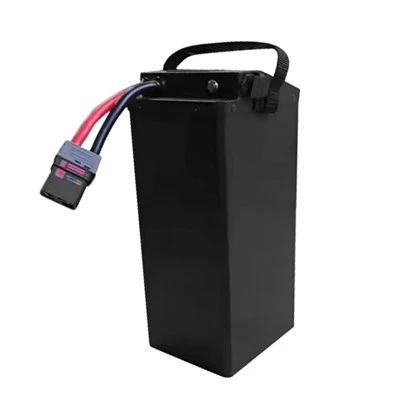
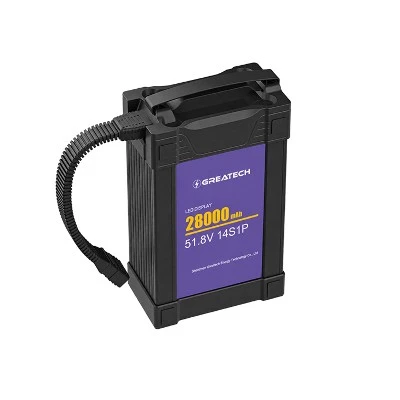
At our company, we offer a wide range of 80V batteries to suit different needs. For instance, we have the 80V 50Ah Lithium Ion Battery, which is perfect for smaller applications that require a reliable power source. If you need more power, our 80V 100Ah LiFePo4 Battery provides a higher capacity. And for those with even more demanding requirements, our 80V 200Ah LiFePo4 Battery is the way to go.
It's also important to follow the manufacturer's charging instructions carefully. This includes using the correct charger, charging at the recommended temperature range, and not leaving the battery connected to the charger for extended periods after it's fully charged.
In addition to using a good charger and following the instructions, regular maintenance is key. You should periodically check the battery's voltage, temperature, and overall condition. If you notice any signs of swelling, leakage, or abnormal heating, it's important to stop using the battery immediately and have it inspected by a professional.
As a supplier, we're committed to providing our customers with high - quality 80V batteries that are safe and reliable. We understand the importance of proper battery management, and we're always happy to offer advice and support to our customers. Whether you're a small business owner looking for a battery to power your equipment or an individual in need of a reliable power source for your electric vehicle, we've got you covered.
If you're interested in learning more about our 80V 50Ah Lithium Ion Battery, 80V 100Ah LiFePo4 Battery, or 80V 200Ah LiFePo4 Battery, or if you have any questions about battery charging and maintenance, don't hesitate to reach out. We're here to help you make the right choice for your power needs.
In conclusion, while it is possible to overcharge an 80V battery, with the right precautions and proper management, you can minimize the risks and ensure that your battery lasts for a long time. By using a high - quality charger, following the manufacturer's instructions, and performing regular maintenance, you can keep your 80V battery in top condition and get the most out of it.
If you're considering purchasing an 80V battery for your next project, we encourage you to contact us. We can provide you with detailed product information, answer any questions you might have, and help you find the perfect battery for your specific requirements. Let's start a conversation and find the best power solution for you!
References
- Linden, D., & Reddy, T. B. (2002). Handbook of Batteries. McGraw - Hill.
- Tarascon, J. M., & Armand, M. (2001). Issues and challenges facing rechargeable lithium batteries. Nature, 414(6861), 359 - 367.