




Hey guys! As a supplier of 72V batteries, I've seen my fair share of issues pop up over the years. In this blog, I'm gonna break down some of the common problems you might run into with a 72V battery and how to deal with 'em.
First off, let's talk about overheating. This is a pretty biggie. A 72V battery can generate a lot of heat, especially when it's being charged or discharged at high rates. When a battery overheats, it can cause all sorts of problems. For starters, it can reduce the battery's lifespan. The heat speeds up the chemical reactions inside the battery, which can lead to the degradation of the battery cells. Over time, this means your battery won't hold as much charge as it used to, and you'll notice a decrease in its performance.


Another issue with overheating is safety. If a battery gets too hot, it can potentially catch fire or even explode. Yikes! That's definitely not something you want to happen. So, how can you prevent overheating? Well, one thing you can do is make sure you're using the right charger. A charger that's not designed for a 72V battery can supply too much current, which will cause the battery to heat up. Also, try not to charge your battery in a hot environment. If it's really hot outside, it might be a good idea to wait until it cools down a bit before plugging in your battery.
Next up is sulfation. This is a problem that's more common in lead - acid 72V batteries. Sulfation occurs when lead sulfate crystals build up on the battery's plates. These crystals can prevent the battery from charging and discharging properly. When a battery is sulfated, you'll notice that it doesn't hold a charge as well as it used to. You might also find that it takes longer to charge the battery, and it loses its charge more quickly.
The main cause of sulfation is leaving a battery in a discharged state for too long. So, if you're not going to use your 72V battery for a while, make sure you charge it up first. You can also use a desulfator, which is a device that can help break down those lead sulfate crystals and restore the battery's performance.
Now, let's touch on capacity loss. Over time, all batteries will lose some of their capacity. This is just a natural part of the battery's life cycle. But with a 72V battery, there are some things that can speed up this process. One of the biggest factors is the number of charge - discharge cycles. Every time you charge and discharge a battery, it wears down the battery cells a little bit. So, the more you use your battery, the faster it will lose its capacity.
Another factor that can cause capacity loss is deep discharging. If you regularly discharge your 72V battery to a very low level, it can damage the battery cells and reduce the battery's overall capacity. To prevent this, try not to let your battery's charge level drop below 20%. You can also use a battery management system (BMS) to monitor the battery's charge level and prevent over - discharging.
One more problem that you might encounter is a voltage imbalance. In a 72V battery pack, which is usually made up of multiple cells connected in series, each cell should have the same voltage. But sometimes, one or more cells can develop a different voltage than the others. This can happen due to a variety of reasons, such as differences in cell manufacturing, temperature variations, or uneven charging and discharging.
A voltage imbalance can cause some cells to overcharge while others are under - charged. This can lead to premature failure of the battery pack. To detect a voltage imbalance, you can use a voltmeter to measure the voltage of each cell in the battery pack. If you find that there's a significant difference in voltage between cells, you might need to balance the battery pack. Some battery chargers have a balancing function that can help with this.
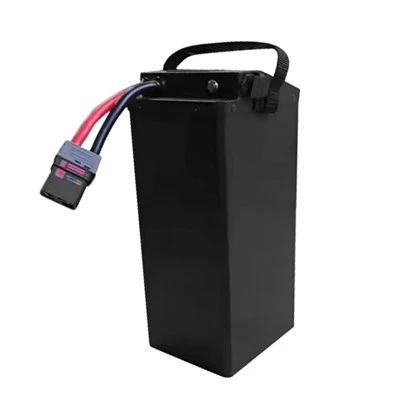
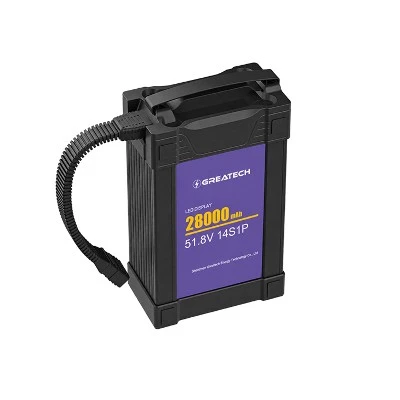
Now, I know all these problems might sound a bit scary, but don't worry! As a 72V battery supplier, I've got solutions for you. We offer high - quality 72V Ternary Lithium Battery that are designed to be more resistant to overheating and have a longer lifespan. Our 72V 45Ah LiFePo4 Battery is also a great option. It's more stable and less prone to sulfation compared to lead - acid batteries. And if you're looking for a battery for your electric motorcycle, our 72V Electric Motorcycle Battery is specifically designed to meet the high - performance requirements of electric motorcycles.
If you're having any problems with your 72V battery or if you're in the market for a new one, don't hesitate to get in touch with us. We've got a team of experts who can help you choose the right battery for your needs and give you advice on how to take care of it. Whether you're a hobbyist, a professional, or just someone who needs a reliable 72V battery, we're here to help.
In conclusion, while there are some common problems with 72V batteries, with the right knowledge and proper maintenance, you can keep your battery in good shape and avoid most of these issues. So, take care of your battery, and it'll take care of you!
References:
- Battery University: A great resource for all things related to batteries, including common problems and solutions.
- Various industry reports on battery technology and performance.