




As a 6S battery supplier, I've had the privilege of witnessing firsthand the incredible performance and reliability that these powerhouses bring to a wide range of applications, from drones to high - end remote - controlled vehicles. However, like all good things, 6S batteries have a finite lifespan. Recognizing the signs of a dying 6S battery is crucial for both safety and performance reasons. In this blog, I'll share the key indicators that your 6S battery may be on its last legs.
1. Reduced Capacity
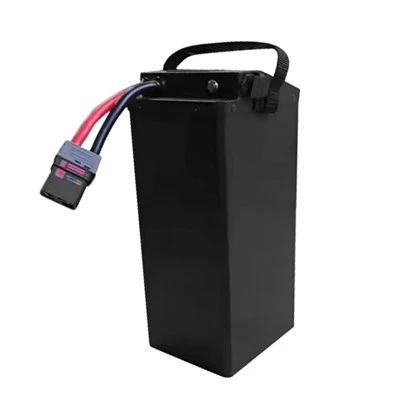
One of the most obvious signs of a dying 6S battery is a significant reduction in its capacity. Capacity is measured in milliamp - hours (mAh), and it indicates how much charge the battery can hold. A new Lipo 22000mAh 6S Battery should be able to provide a consistent amount of power for a specific duration.
Over time, as the battery undergoes numerous charge - discharge cycles, its internal chemistry degrades. This degradation leads to a decrease in the number of active lithium ions that can move between the electrodes, resulting in a lower capacity. For example, if you used to get 30 minutes of flight time from your drone with a fully charged 6S battery, but now you're only getting 15 minutes, it's a clear sign that the battery's capacity has diminished.
You can measure the battery's actual capacity using a battery analyzer. This device will charge and discharge the battery under controlled conditions and provide an accurate reading of its remaining capacity. If the measured capacity is significantly lower than the rated capacity, it's time to consider replacing the battery.
2. Voltage Imbalance
A 6S battery consists of six individual cells connected in series. Each cell should ideally have the same voltage. However, as the battery ages, it's common for the cells to develop a voltage imbalance. This means that some cells may have a higher or lower voltage than others.
A voltage imbalance can be caused by uneven charging or discharging, overheating, or simply the natural degradation of the cells. When there's a voltage imbalance, the battery may not be able to deliver power efficiently. For instance, if one cell has a much lower voltage than the others, it will reach its minimum voltage limit sooner, causing the entire battery to shut down even though the other cells still have charge.
You can use a battery voltage checker to monitor the voltage of each cell in the 6S battery. Most modern battery chargers also have the ability to display the voltage of individual cells during the charging process. If you notice a difference of more than 0.1 volts between cells, it's a sign of a voltage imbalance, and the battery may be nearing the end of its life.
3. Swelling
Swelling is a serious sign that a 6S battery is in trouble. When a battery swells, it means that there is a build - up of gas inside the battery casing. This gas is usually produced as a result of an internal short - circuit, overcharging, or overheating.
Swelling can cause the battery casing to deform, which may lead to physical damage to the battery and pose a safety hazard. A swollen battery is more likely to catch fire or explode, especially if it's punctured or exposed to high temperatures.
If you notice that your 6S battery is swelling, you should immediately stop using it and dispose of it properly. Do not attempt to charge or discharge a swollen battery, as this can further increase the risk of a safety incident.
4. Increased Internal Resistance
Internal resistance is the opposition to the flow of electric current within the battery. As a 6S battery ages, its internal resistance tends to increase. This is due to the degradation of the electrode materials and the electrolyte inside the battery.
An increase in internal resistance can have several negative effects. Firstly, it causes the battery to heat up more during charging and discharging. This excessive heat can further accelerate the degradation of the battery and reduce its lifespan. Secondly, a high internal resistance means that the battery will deliver less power to the device. You may notice that your drone or remote - controlled vehicle has reduced performance, such as slower acceleration or lower top speed.
To measure the internal resistance of a 6S battery, you can use a specialized internal resistance meter. If the measured internal resistance is significantly higher than the normal range for the battery, it's a sign that the battery is deteriorating.
5. Poor Charging Performance
Another sign of a dying 6S battery is poor charging performance. A healthy battery should charge quickly and efficiently. However, as the battery ages, you may notice that it takes longer to charge, or it doesn't reach a full charge.
This can be due to a variety of factors, including a high internal resistance, a voltage imbalance, or a damaged charging circuit. For example, if the battery's internal resistance is high, it will generate more heat during charging, which can cause the charger to slow down the charging process to prevent overheating.
If you find that your 6S battery is taking an unusually long time to charge or is not reaching its full charge capacity, it's a good indication that the battery is on its way out.
6. Frequent Cut - offs
If your device powered by a 6S battery frequently cuts off during use, it could be a sign of a dying battery. When a battery's capacity is low or there's a voltage imbalance, the battery may not be able to provide a stable supply of power. As a result, the device may shut down unexpectedly to protect itself from damage.
Frequent cut - offs can be frustrating, especially if you're in the middle of an important task, such as flying a drone for aerial photography. If you experience this issue, it's important to check the battery's condition immediately to determine if it needs to be replaced.
7. Overheating
Overheating is a common problem with aging 6S batteries. As mentioned earlier, an increase in internal resistance causes the battery to generate more heat during charging and discharging. Additionally, overcharging or using the battery in high - temperature environments can also lead to overheating.


Overheating can cause further damage to the battery, accelerating its degradation and reducing its lifespan. It can also pose a safety risk, as a hot battery is more likely to catch fire or explode. If you notice that your 6S battery is getting unusually hot during use or charging, it's a sign that something is wrong with the battery.
Conclusion
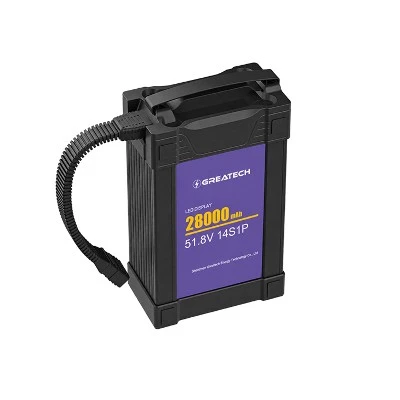
Recognizing the signs of a dying 6S battery is essential for ensuring the safety and performance of your devices. Whether you're using a 22.2V 30000mAh Drone Battery or a 22.2V 16000mAh Lipo Battery, being aware of these indicators can help you take the necessary steps to replace the battery before it causes any serious problems.
If you're experiencing any of the signs mentioned above with your 6S battery, it's time to consider purchasing a new one. As a 6S battery supplier, I'm committed to providing high - quality batteries that meet the needs of our customers. If you have any questions about our products or would like to discuss your battery requirements, please feel free to reach out. We're here to assist you in finding the perfect 6S battery for your application.
References
- Battery University: A comprehensive resource for battery - related information, including battery chemistry, charging, and maintenance.
- Manufacturer's documentation for 6S batteries, which provides detailed information about the battery's specifications, usage, and safety precautions.