




Hey there! I'm really pumped to share my insights on upgrading from a lower - voltage battery to an 80V battery. As a supplier of 80V batteries, I've seen firsthand the benefits and challenges that come with this kind of upgrade. So, let's dive right in!
Why Upgrade to an 80V Battery?
First off, you might be wondering why you'd even want to make the switch. Well, an 80V battery packs a lot more power compared to lower - voltage ones. This means better performance for your device or vehicle. Whether it's an electric motorcycle, a high - end power tool, or an industrial machine, an 80V battery can provide the extra oomph needed to get the job done more efficiently.
For example, if you're using an electric motorcycle with a lower - voltage battery, you might notice that it struggles on steep hills or has a limited range. Upgrading to an 80V battery can significantly improve both the climbing ability and the distance you can travel on a single charge.
Assessing Your Current Setup
Before you rush into buying an 80V battery, you need to take a good look at your current setup. Check the specifications of your device or vehicle to see if it can handle an 80V battery. You'll need to consider things like the charging system, the motor, and any other electrical components.
If your device was originally designed for a lower - voltage battery, there might be some modifications required. For instance, the charging system might need to be upgraded to handle the higher voltage. It's also important to make sure that the motor can operate safely at 80V. Some motors are designed to work within a specific voltage range, and using a battery with a higher voltage than recommended can cause damage.
Choosing the Right 80V Battery
As an 80V battery supplier, I know there are a lot of options out there. You've got different chemistries, capacities, and sizes to choose from.
Battery Chemistry
The most common types of 80V batteries are lithium - ion and lithium - phosphate. Lithium - ion batteries are known for their high energy density, which means they can store a lot of energy in a relatively small space. They're also lightweight, making them a great choice for applications where weight is a concern, like electric motorcycles.
On the other hand, lithium - phosphate batteries are more stable and have a longer lifespan. They're less prone to overheating and thermal runaway, which makes them a safer option, especially for high - power applications. You can check out our Prismatic 80V Lithium Phosphate Battery Pack Lifepo4 BMS LFP for a great example of a lithium - phosphate battery.
Capacity
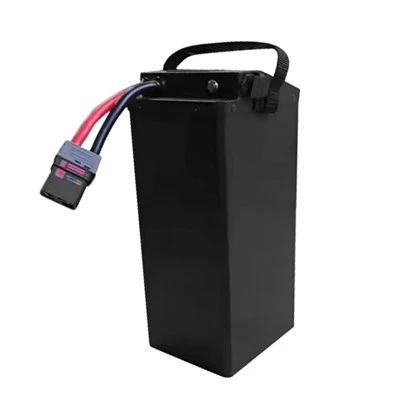
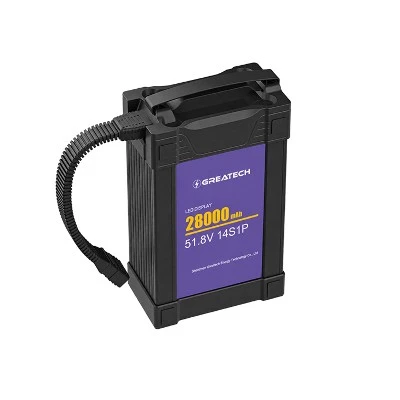
The capacity of a battery is measured in amp - hours (Ah). A higher capacity battery can store more energy and will generally provide a longer runtime. If you have a high - power device or need to use it for long periods without recharging, you'll want to go for a battery with a higher capacity. We offer an 80V 100Ah LiFePo4 Battery for those who need a lot of juice. But if you don't need as much runtime, our 80V 50Ah Lithium Ion Battery might be a more cost - effective option.
Size
Make sure the battery you choose will fit in the space available in your device or vehicle. Some batteries are larger and bulkier than others, so it's important to measure the space and compare it with the dimensions of the battery you're considering.
Installation and Safety Precautions
Once you've chosen the right 80V battery, it's time to install it. But remember, working with high - voltage batteries can be dangerous, so it's crucial to take the right safety precautions.
Safety Gear
Wear appropriate safety gear, such as insulated gloves and safety glasses. This will protect you from electrical shocks and any potential chemical spills.
Disconnecting the Old Battery
Before you start installing the new battery, make sure to disconnect the old one properly. This usually involves turning off the device or vehicle and removing the negative terminal first, followed by the positive terminal.
Installing the New Battery
When installing the 80V battery, follow the manufacturer's instructions carefully. Make sure the connections are tight and secure. Incorrect connections can lead to short circuits, which can be extremely dangerous.
Testing
After installation, test the battery to make sure it's working properly. Start with a low - power test to check for any issues before using the device or vehicle at full power.
Cost Considerations
Upgrading to an 80V battery can be a significant investment. You'll need to factor in the cost of the battery itself, any necessary modifications to your device or vehicle, and the cost of the installation.
However, it's important to think about the long - term benefits. A high - quality 80V battery can last for many years and provide better performance, which can save you money in the long run. For example, if you're using an electric motorcycle, the improved range and performance can mean fewer trips to the charging station and less wear and tear on the motor.
Maintenance
Once you've upgraded to an 80V battery, proper maintenance is key to ensuring its longevity and performance.
Charging
Follow the manufacturer's charging instructions carefully. Overcharging or undercharging can reduce the battery's lifespan. Most 80V batteries come with a built - in battery management system (BMS) that helps regulate the charging process, but it's still important to use a compatible charger.
Storage
If you're not going to use the battery for an extended period, store it in a cool, dry place. Make sure it's partially charged, as storing a fully discharged battery can cause damage.


Regular Checks
Periodically check the battery for any signs of damage, such as swelling or leaks. If you notice any issues, stop using the battery immediately and contact a professional for assistance.
Wrapping Up
Upgrading from a lower - voltage battery to an 80V battery can be a great way to improve the performance of your device or vehicle. But it's not a decision to be taken lightly. You need to carefully assess your situation, choose the right battery, and follow proper installation and maintenance procedures.
If you're interested in upgrading to an 80V battery or have any questions, feel free to reach out to us. We're here to help you make the best decision for your needs. Whether you're a hobbyist, a professional, or a business owner, we've got the expertise and the products to get you up and running with an 80V battery.
References
- Battery University: A great resource for learning about different battery chemistries, charging, and maintenance.
- Manufacturer's manuals: Always refer to the manuals of your device and the battery for specific information and instructions.