




Hey there! As a supplier of 24V batteries, I often get asked about the charge efficiency of these powerhouses. So, let's dive right in and break it down in a way that's easy to understand.
First off, what exactly is charge efficiency? Well, it's basically a measure of how effectively a battery can convert the electrical energy it receives during charging into stored chemical energy. In simpler terms, it tells us how much of the power we put into the battery actually sticks around for later use. Think of it like filling up a water tank - if there are holes in the tank, you'll lose some water along the way. Charge efficiency is all about minimizing those "holes" in the battery's charging process.
Now, for 24V batteries, the charge efficiency can vary depending on a few key factors. One of the biggest players is the type of battery chemistry. We've got different types out there, like lead - acid, lithium - ion, and nickel - cadmium. Each has its own quirks when it comes to charging.


Let's start with lead - acid batteries. These are some of the most common 24V batteries out there, and they've been around for a long time. They're known for being relatively affordable and reliable. But when it comes to charge efficiency, they're not the most efficient kids on the block. Lead - acid batteries typically have a charge efficiency in the range of 70% - 85%. That means that when you're charging a lead - acid 24V battery, anywhere from 15% to 30% of the energy you put in is lost as heat or through other chemical reactions. Why is that? Well, lead - acid batteries have a complex charging process that involves some side reactions. For example, during charging, water in the electrolyte can break down into hydrogen and oxygen gases, which is a waste of energy.
On the other hand, lithium - ion batteries are a different story. They're becoming more and more popular in the 24V battery market, and for good reason. Lithium - ion batteries usually have a much higher charge efficiency, often in the range of 90% - 98%. That's a huge difference compared to lead - acid batteries! The reason for this high efficiency is that lithium - ion batteries have a more straightforward charging mechanism. There are fewer side reactions going on, so less energy is wasted. This makes them a great choice if you're looking to get the most out of your charging power.
Another factor that can affect the charge efficiency of a 24V battery is the charging current. If you charge a battery too quickly, you might end up reducing its charge efficiency. When you use a high - current charger, the battery can heat up more, and this can cause some of the energy to be lost as heat. It's like trying to fill a glass of water too fast - you'll end up spilling some over the sides. On the other hand, charging at a lower current can be more efficient, but it'll also take longer. So, there's a bit of a trade - off there.
The state of charge (SOC) of the battery also matters. When a battery is almost fully charged, its charge efficiency tends to drop. This is because as the battery gets closer to its full capacity, the chemical reactions become less efficient. It's like trying to squeeze the last bit of toothpaste out of the tube - it takes more effort and you might not get as much in return.
Now, let's talk about some real - world applications. If you're using a 24V battery for a solar power system, charge efficiency is super important. Solar panels generate electricity during the day, and you want to make sure that as much of that energy as possible gets stored in the battery for use at night. A high - efficiency battery like a lithium - ion one can really make a difference here. You'll be able to store more of the solar energy and have more power available when you need it.
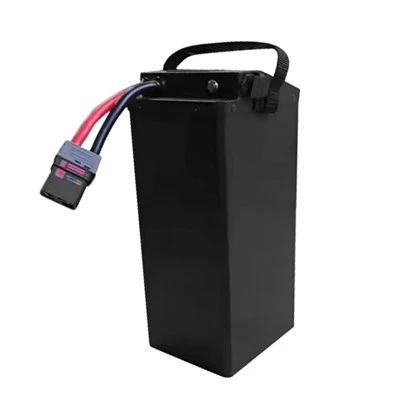
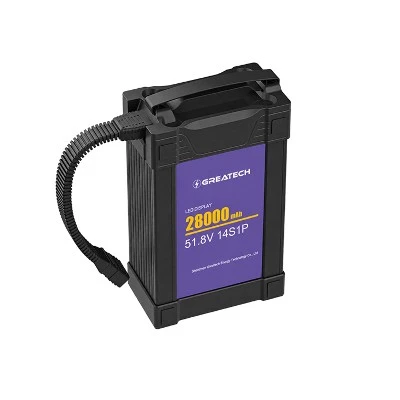
If you're in the market for a 24V battery, we've got some great options. Check out our 24V 400Ah Battery, 24V 100Ah Battery, and 24V 150Ah Battery. These batteries are designed to meet different power needs, and we can help you choose the one that's right for you.
Whether you're using the battery for a small off - grid cabin or a large industrial application, understanding charge efficiency can help you make a more informed decision. A battery with higher charge efficiency will save you money in the long run, as you'll be using less electricity to charge it up.
If you're interested in learning more about our 24V batteries or have any questions about charge efficiency, don't hesitate to reach out. We're here to help you find the perfect battery solution for your needs. Whether you're a DIY enthusiast or a professional in the industry, we've got the knowledge and the products to support you.
In conclusion, charge efficiency is a crucial factor when it comes to 24V batteries. Different battery chemistries, charging currents, and states of charge can all have an impact on how efficiently a battery charges. By choosing the right battery and understanding how to charge it properly, you can get the most out of your power storage system. So, if you're in the market for a 24V battery, give us a shout, and let's start a conversation about finding the best fit for you.
References:
- Battery University: A great resource for in - depth information on battery technologies and charging processes.
- Journal of Power Sources: Contains research papers on battery performance and efficiency studies.