




In the realm of power storage and delivery, 24V batteries stand as reliable workhorses, powering a diverse range of applications from industrial machinery to renewable energy systems. As a dedicated 24V battery supplier, I've witnessed firsthand the importance of understanding the nuances of battery performance, including the phenomenon known as the memory effect. In this blog post, we'll delve into what the memory effect is, how it impacts 24V batteries, and what you can do to mitigate its effects.
What is the Memory Effect?
The memory effect, also known as the battery memory or lazy battery effect, is a phenomenon that was initially observed in nickel-cadmium (NiCd) batteries. It occurs when a battery is repeatedly recharged after being only partially discharged. Over time, the battery "remembers" the reduced capacity and starts to exhibit a diminished ability to hold a full charge. This results in a shorter runtime and a reduced overall lifespan of the battery.
The underlying cause of the memory effect is the formation of crystalline structures within the battery cells. When a battery is not fully discharged before recharging, these crystals can build up and create a physical barrier that restricts the flow of electrons. As a result, the battery's capacity is effectively reduced, and it may appear to "forget" its full potential.


Does the Memory Effect Affect 24V Batteries?
The good news is that modern 24V batteries, particularly those using lead-acid, lithium-ion, and nickel-metal hydride (NiMH) chemistries, are generally less susceptible to the memory effect compared to their NiCd counterparts. However, it's important to note that the phenomenon can still occur under certain conditions, especially if the battery is not properly maintained.
- Lead-Acid Batteries: Lead-acid batteries are commonly used in applications such as backup power systems, electric vehicles, and solar energy storage. While they are less prone to the memory effect than NiCd batteries, they can still experience a similar phenomenon known as sulfation. Sulfation occurs when lead sulfate crystals form on the battery plates, reducing the battery's capacity and performance. To prevent sulfation, it's important to regularly charge lead-acid batteries to their full capacity and avoid leaving them in a partially discharged state for extended periods.
- Lithium-Ion Batteries: Lithium-ion batteries are widely used in portable electronics, electric vehicles, and renewable energy systems due to their high energy density, long lifespan, and low self-discharge rate. Unlike NiCd batteries, lithium-ion batteries do not suffer from the memory effect. However, they are sensitive to overcharging and over-discharging, which can cause irreversible damage to the battery cells. To ensure the longevity of lithium-ion batteries, it's important to use a compatible charger and avoid exposing the battery to extreme temperatures.
- Nickel-Metal Hydride (NiMH) Batteries: NiMH batteries are a popular alternative to NiCd batteries due to their higher energy density and lower environmental impact. While they are less prone to the memory effect than NiCd batteries, they can still experience a similar phenomenon if they are not properly maintained. To prevent the memory effect in NiMH batteries, it's important to fully discharge the battery before recharging it and avoid overcharging.
How to Mitigate the Memory Effect in 24V Batteries
While modern 24V batteries are less susceptible to the memory effect, it's still important to take steps to ensure their optimal performance and longevity. Here are some tips to help you mitigate the memory effect in your 24V batteries:
- Fully Discharge and Recharge Regularly: To prevent the formation of crystalline structures within the battery cells, it's important to fully discharge and recharge your 24V batteries on a regular basis. This will help to maintain the battery's capacity and prevent the memory effect from occurring.
- Use a Compatible Charger: Using a charger that is specifically designed for your 24V battery is essential to ensure proper charging and to prevent overcharging or undercharging. Overcharging can cause the battery to overheat and damage the cells, while undercharging can lead to sulfation and reduced capacity.
- Avoid Extreme Temperatures: Exposure to extreme temperatures can have a negative impact on the performance and lifespan of your 24V batteries. High temperatures can accelerate the chemical reactions within the battery cells, leading to increased self-discharge and reduced capacity. Low temperatures, on the other hand, can cause the battery to lose its ability to deliver power effectively. To prevent temperature-related damage, it's important to store and use your batteries in a cool, dry environment.
- Monitor the Battery's State of Charge: Regularly monitoring the state of charge of your 24V batteries can help you to detect any signs of the memory effect or other issues early on. Most modern batteries come with built-in indicators or can be connected to a battery management system (BMS) to provide real-time information about the battery's state of charge, voltage, and temperature.
Our Range of 24V Batteries
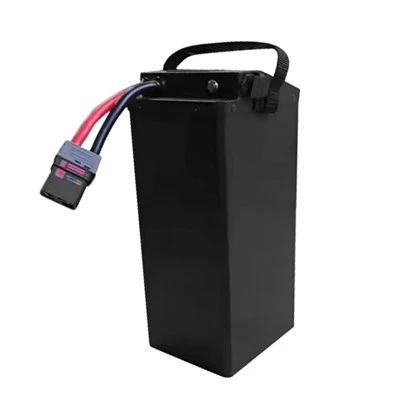
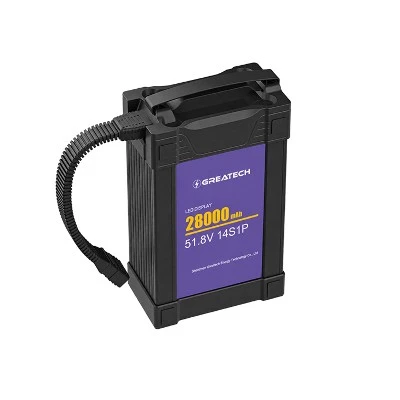
As a leading 24V battery supplier, we offer a wide range of high-quality batteries to meet the diverse needs of our customers. Our product portfolio includes 24V 300Ah Battery, 24V 200Ah Battery, and 24V 400Ah Battery, all of which are designed to provide reliable and long-lasting power.
Our 24V batteries are available in a variety of chemistries, including lead-acid, lithium-ion, and NiMH, to suit different applications and requirements. Whether you need a battery for a backup power system, an electric vehicle, or a renewable energy system, we have the expertise and the products to help you find the right solution.
Conclusion
While the memory effect is a phenomenon that was once a significant concern for battery users, modern 24V batteries are generally less susceptible to this issue. However, it's still important to take steps to ensure the proper maintenance and care of your batteries to prevent the formation of crystalline structures and to maximize their performance and lifespan.
By following the tips outlined in this blog post and choosing a high-quality 24V battery from a reputable supplier, you can ensure that your battery will provide reliable and long-lasting power for your applications. If you have any questions or need further information about our 24V batteries, please don't hesitate to [contact us for procurement and discussion]. We're here to help you find the right battery solution for your needs.
References
- Linden, D., & Reddy, T. B. (2002). Handbook of Batteries. McGraw-Hill.
- Winter, M., & Brodd, R. J. (2004). What Are Batteries, Fuel Cells, and Supercapacitors? Chemical Reviews, 104(10), 4245-4269.
- Ragone, D. V. (1968). Energy Storage in Electrochemical Systems. Journal of Power Sources, 3(1), 265-277.