




Hey there, fellow e-bike enthusiasts! As a supplier of 36V e-bike batteries, I've gotten tons of questions about the charging profile of these batteries. So, I thought I'd break it down for you in this blog post.
First off, let's talk about why understanding the charging profile is so important. A proper charging profile ensures that your battery lasts longer, performs better, and most importantly, stays safe. Overcharging or undercharging can lead to reduced battery life, decreased performance, and even safety hazards.
The Basics of a 36V E-bike Battery
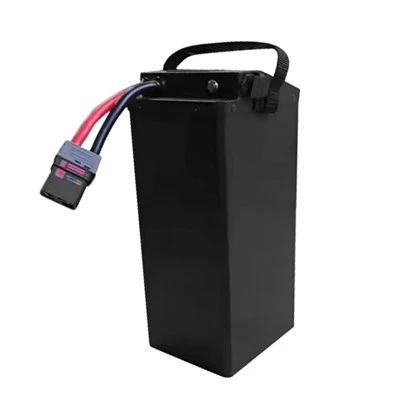
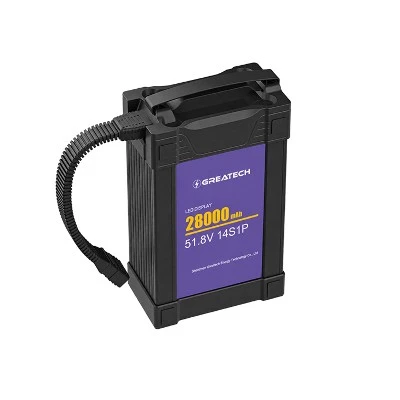
A 36V e-bike battery is typically made up of multiple lithium-ion cells connected in series. Lithium-ion batteries are popular for e-bikes because they're lightweight, have a high energy density, and can handle a large number of charge-discharge cycles.
The nominal voltage of a single lithium-ion cell is around 3.6 - 3.7V. To get a 36V battery, you usually connect 10 such cells in series (3.6V x 10 = 36V). But the actual voltage of a 36V battery can vary depending on its state of charge. When fully charged, a 36V battery can reach around 42V (4.2V per cell x 10 cells), and when completely discharged, it can drop to about 30V (3.0V per cell x 10 cells).
The Charging Stages
The charging process of a 36V e-bike battery generally goes through three main stages: constant current (CC), constant voltage (CV), and trickle charging.
Constant Current (CC) Stage
This is the initial stage of the charging process. When you first plug in your e-bike battery to charge, the charger supplies a constant current to the battery. The current is usually set at a level that the battery can handle safely without overheating or causing damage.


During this stage, the battery voltage gradually increases as it absorbs the charge. The charger keeps supplying the constant current until the battery voltage reaches a certain threshold, usually around 42V for a 36V lithium-ion battery. This stage is relatively fast and can charge the battery up to about 70 - 80% of its capacity.
Constant Voltage (CV) Stage
Once the battery voltage reaches the set threshold, the charger switches to the constant voltage mode. In this stage, the charger maintains a constant voltage (42V in our case) while the current gradually decreases. As the battery gets closer to full charge, it becomes more difficult to add more charge, so the current naturally drops.
This stage is important because it helps to fully charge the battery without overcharging it. It can take a bit longer than the CC stage, but it ensures that the battery is charged evenly and safely. By the end of the CV stage, the battery is usually around 95 - 99% charged.
Trickle Charging
After the CV stage, the charger may enter a trickle charging mode. This is a very low current charge that is used to top off the battery and keep it fully charged. The trickle charge current is so small that it doesn't cause any significant stress on the battery.
Some chargers may not have a dedicated trickle charging mode, but they may still supply a very small amount of current to compensate for any self-discharge that the battery may experience over time.
Factors Affecting the Charging Profile
Several factors can affect the charging profile of a 36V e-bike battery.
Temperature
Temperature plays a crucial role in battery charging. Lithium-ion batteries perform best at moderate temperatures, around 20 - 25°C (68 - 77°F). If the temperature is too low, the charging process can slow down significantly, and the battery may not charge to its full capacity. On the other hand, if the temperature is too high, it can cause the battery to overheat, which can damage the cells and reduce the battery's lifespan.
Battery Age and Condition
As a battery ages, its internal resistance increases, which can affect the charging process. An older battery may take longer to charge or may not hold a charge as well as a new one. Additionally, if the battery has been damaged or has experienced excessive wear and tear, it may have a different charging profile.
Charger Quality
The quality of the charger also matters. A good charger will have proper charging algorithms and safety features to ensure that the battery is charged correctly. A cheap or low-quality charger may not be able to supply the right amount of current or voltage, which can lead to overcharging, undercharging, or other problems.
Our 36V E-bike Battery Products
At our company, we offer a range of high-quality 36V e-bike batteries. For example, our 36V 6.4Ah Ebike Battery is a great option for those who need a lightweight and compact battery. It's perfect for city commuting or short rides.
If you're looking for a more powerful battery, our 36V 10Ah Ebike Battery is a great choice. It can provide more energy and longer range, making it suitable for longer rides or more demanding applications.
We also have the Paket Baterai Sepeda Listrik Lipat 36v 48v 14ah 17.5ah 15ah 20ah, which offers a variety of options to meet different needs.
Tips for Charging Your 36V E-bike Battery
Here are some tips to help you get the most out of your 36V e-bike battery charging:
- Charge in a moderate temperature environment: Avoid charging your battery in extreme heat or cold. If possible, charge it indoors at room temperature.
- Use the right charger: Always use the charger that is specifically designed for your 36V e-bike battery. Using the wrong charger can damage the battery and void the warranty.
- Don't overcharge or undercharge: Try to avoid leaving your battery plugged in for too long after it's fully charged, and don't let it discharge completely before charging. It's best to keep the battery between 20 - 80% charge for optimal lifespan.
- Charge regularly: Even if you don't use your e-bike often, it's a good idea to charge the battery every few weeks to keep it in good condition.
Contact Us for Procurement
If you're interested in purchasing our 36V e-bike batteries, we'd love to hear from you. Whether you're a retailer looking to stock our products or an individual in need of a reliable e-bike battery, we can provide you with high-quality batteries at competitive prices. Just reach out to us, and we'll be happy to discuss your requirements and help you find the right battery for your needs.
References
- Battery University: A comprehensive resource for battery knowledge and information.
- Lithium-ion Battery Handbook: A technical guide to lithium-ion batteries and their charging processes.