




Power density is a crucial metric when evaluating the performance of a 48V battery. As a 48V battery supplier, I often encounter customers who are keen to understand this concept and its implications for their specific applications. In this blog post, I will delve into the details of power density, how it relates to 48V batteries, and why it matters in various industries.
Understanding Power Density
Power density is defined as the amount of power that can be delivered per unit volume or mass of a battery. It is typically expressed in watts per liter (W/L) for volumetric power density or watts per kilogram (W/kg) for gravimetric power density. A higher power density means that the battery can deliver more power in a smaller and lighter package, which is highly desirable in many applications.
To calculate the power density of a battery, we need to know its power output and its volume or mass. The power output of a battery is determined by its voltage and current. For a 48V battery, the power output can be calculated using the formula P = VI, where P is power in watts, V is voltage in volts, and I is current in amperes.
Power Density of 48V Batteries
The power density of a 48V battery can vary significantly depending on its chemistry, design, and construction. Different battery chemistries have different energy storage capabilities and power delivery characteristics, which directly affect their power density.
Lithium-Ion Batteries
Lithium-ion batteries are one of the most popular choices for 48V applications due to their high energy density, long cycle life, and relatively high power density. The power density of a 48V lithium-ion battery can range from around 200 W/kg to over 1000 W/kg, depending on the specific design and application requirements.
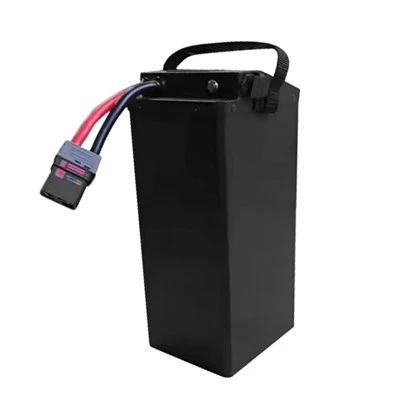
For example, our 48V 20Ah Lithium Ion Battery is designed to provide a high power output while maintaining a relatively compact size. With a power output of up to 960 watts (48V x 20A), this battery offers a good balance between power and energy storage. Its power density is optimized for applications that require quick bursts of power, such as electric motorcycles and scooters.
Similarly, our 48V 30Ah Lithium Ion Battery provides an even higher power output of up to 1440 watts (48V x 30A). This battery is suitable for applications that demand more power, such as electric bicycles with high-performance motors.
Lead-Acid Batteries
Lead-acid batteries are another common type of 48V battery, especially in applications where cost is a major consideration. However, lead-acid batteries generally have a lower power density compared to lithium-ion batteries. The power density of a 48V lead-acid battery typically ranges from around 50 W/kg to 150 W/kg.
While lead-acid batteries may not offer the same high power density as lithium-ion batteries, they still have their advantages. They are relatively inexpensive, widely available, and can provide a reliable source of power for many applications. For example, in some stationary energy storage systems, lead-acid batteries are used due to their low cost and long service life.
Importance of Power Density in Different Applications
The power density of a 48V battery plays a crucial role in determining its suitability for different applications. Here are some examples of how power density affects various industries:
Electric Vehicles
In the electric vehicle (EV) industry, power density is a critical factor. EVs require batteries that can deliver high power to accelerate quickly and maintain a reasonable speed. A high-power-density battery allows the vehicle to have a smaller and lighter battery pack, which improves the overall efficiency and range of the vehicle.
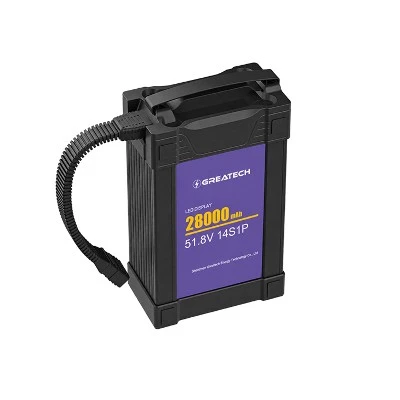
For electric motorcycles and scooters, a high-power-density 48V battery is essential for providing the necessary acceleration and performance. Our 48V 24Ah Lithium Ion Battery is a popular choice for these applications, as it offers a good balance between power and energy storage, allowing for a smooth and efficient ride.
Renewable Energy Storage
In renewable energy storage systems, such as solar and wind power installations, power density is also important. These systems require batteries that can store energy during periods of low demand and deliver it during peak demand. A high-power-density battery can quickly charge and discharge, allowing for more efficient use of the stored energy.
For example, in a solar power system, a 48V battery with a high power density can quickly absorb the excess energy generated by the solar panels during the day and release it at night when the demand for electricity is higher. This helps to balance the supply and demand of electricity and reduces the reliance on the grid.
Industrial Applications
In industrial applications, such as forklifts and other material handling equipment, power density is crucial for ensuring efficient operation. These applications require batteries that can provide high power for short periods of time to lift heavy loads and move quickly. A high-power-density 48V battery can meet these requirements and improve the productivity of the equipment.
Factors Affecting Power Density
Several factors can affect the power density of a 48V battery. These include:
Battery Chemistry
As mentioned earlier, different battery chemistries have different energy storage capabilities and power delivery characteristics. Lithium-ion batteries generally have a higher power density compared to lead-acid batteries due to their superior electrochemical properties.
Electrode Design
The design of the electrodes in a battery can also affect its power density. A well-designed electrode can increase the surface area available for electrochemical reactions, which allows for a higher current flow and thus a higher power output.
Battery Packaging
The packaging of a battery can also impact its power density. A compact and lightweight battery packaging can reduce the overall weight and volume of the battery, which increases its power density.


Conclusion
In conclusion, power density is a critical metric when evaluating the performance of a 48V battery. It determines the amount of power that can be delivered per unit volume or mass of the battery, which is important in many applications. As a 48V battery supplier, we offer a range of batteries with different power densities to meet the diverse needs of our customers.
Whether you are in the electric vehicle industry, renewable energy storage, or industrial applications, choosing the right 48V battery with the appropriate power density is essential for achieving optimal performance. Our 48V 20Ah Lithium Ion Battery, 48V 30Ah Lithium Ion Battery, and 48V 24Ah Lithium Ion Battery are designed to provide high power density and reliable performance.
If you are interested in learning more about our 48V batteries or have specific requirements for your application, please feel free to contact us for a detailed discussion. We are committed to providing high-quality batteries and excellent customer service to help you achieve your goals.
References
- Linden, D., & Reddy, T. B. (2002). Handbook of Batteries. McGraw-Hill.
- Tarascon, J. M., & Armand, M. (2001). Issues and challenges facing rechargeable lithium batteries. Nature, 414(6861), 359-367.