




A swollen battery in a 6S battery system can be a concerning issue, especially if you rely on your equipment for various tasks, whether it's powering a drone or other high - energy devices. As a 6S battery supplier, I've encountered many customers facing this problem, and I'm here to share some insights on what to do when your 6S battery swells.
Understanding Why a 6S Battery Swells
Before we dive into the solutions, it's crucial to understand why a 6S battery might swell in the first place. A 6S battery, which consists of six cells connected in series, is commonly used in drones and other high - performance applications. The most common reason for battery swelling is overcharging. When a battery is overcharged, the electrolyte inside the battery breaks down, producing gas. This gas builds up inside the battery, causing it to swell.
Another reason could be overheating. High temperatures can accelerate the chemical reactions inside the battery, leading to the production of gas and subsequent swelling. Physical damage to the battery, such as punctures or impacts, can also disrupt the internal structure and cause swelling. Additionally, using a charger that is not compatible with the 6S battery can lead to improper charging, which may result in swelling.
Immediate Actions When You Notice a Swollen 6S Battery
If you notice that your 6S battery is swelling, the first thing you need to do is to stop using it immediately. A swollen battery is a safety hazard as it can potentially catch fire or explode. Remove the battery from the device it is powering and place it in a safe location. A fire - proof container or a battery storage bag designed for lithium - polymer (LiPo) batteries is ideal.
Do not attempt to puncture or squeeze the swollen battery. This can release the gas inside, which may be flammable, and increase the risk of fire or explosion. Also, avoid storing the swollen battery near flammable materials or in a confined space.
Assessing the Damage
Once you have safely isolated the swollen battery, you need to assess the extent of the damage. Check for any visible signs of physical damage, such as cracks or leaks. If the battery has leaked electrolyte, it is likely severely damaged and should be disposed of properly.
You can also use a battery tester to check the voltage of each cell in the 6S battery. A significant difference in voltage between cells or a very low overall voltage can indicate internal damage. However, if you are not experienced in handling battery testers, it is best to seek professional help.
Disposal of a Swollen 6S Battery
Proper disposal of a swollen 6S battery is essential to prevent environmental contamination and potential safety hazards. Lithium - polymer batteries, which are commonly used in 6S battery systems, contain toxic chemicals and heavy metals. Do not throw the battery in the regular trash.
Many local recycling centers accept LiPo batteries for proper disposal. You can also contact your local waste management authority for information on battery recycling programs. Some battery manufacturers and suppliers also offer battery recycling services. You can reach out to them to inquire about their recycling policies.
Preventing Future Battery Swelling
To prevent your 6S battery from swelling in the future, you need to follow some best practices. First, always use a charger that is specifically designed for 6S batteries. A good charger will have built - in safety features, such as overcharge protection and temperature monitoring.


Avoid overcharging the battery. Most modern chargers have an automatic cut - off feature, but it's still a good idea to keep an eye on the charging process. Do not leave the battery charging overnight or for extended periods.
Proper storage is also crucial. Store your 6S battery in a cool, dry place. Avoid exposing it to direct sunlight or high temperatures. If you are not going to use the battery for an extended period, store it at a partial charge (around 50 - 60% of its capacity).
Regularly inspect your battery for any signs of damage or swelling. If you notice any issues, address them immediately to prevent further damage.
Alternatives and Upgrades
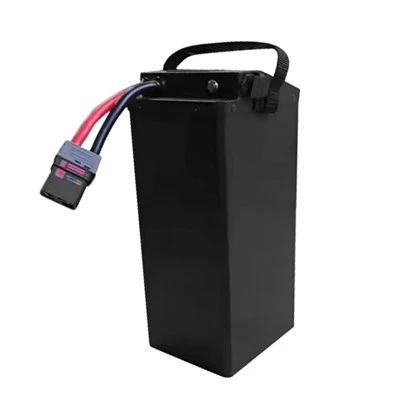
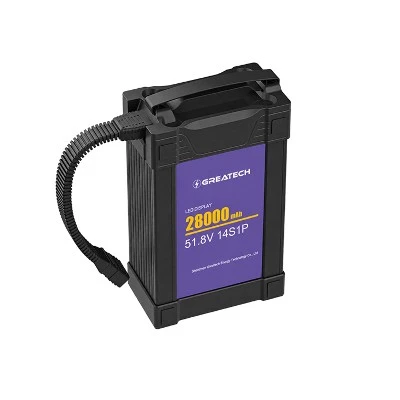
If your 6S battery has swollen and is no longer usable, you may need to consider replacing it. As a 6S battery supplier, I offer a wide range of high - quality 6S batteries for different applications. For example, the 22.2V 30000mAh Drone Battery is a great option for drones that require long flight times. It provides a high capacity and stable power output.
The Lipo 22000mAh 6S Battery is another popular choice. It is lightweight and offers a good balance between capacity and weight, making it suitable for various applications. If you need a more compact option, the 22.2V 16000mAh Lipo Battery is a great alternative. It provides a decent capacity in a smaller package.
Contact for Procurement and Further Consultation
If you are interested in purchasing high - quality 6S batteries or need further advice on battery maintenance and safety, I encourage you to reach out. I am committed to providing the best products and services to my customers. Whether you are a hobbyist or a professional in the industry, I can help you find the right battery for your needs.
References
- Battery University: A comprehensive resource on battery technology and safety.
- LiPo Battery Safety Guidelines from industry standards organizations.
- Manufacturer's manuals for 6S batteries and chargers.