






1. What Are Lithium-Ion Battery Materials?
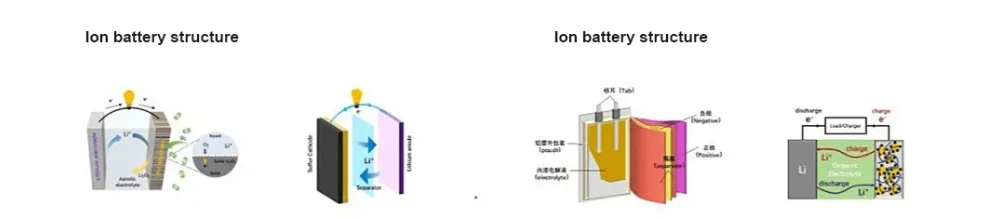
Lithium-ion batteries consist of several essential materials, each playing a critical role in the overall functionality and performance of the battery. These materials include:
Cathode (Positive Electrode) Materials:
The cathode is typically made of lithium compounds combined with other metals such as cobalt, nickel, manganese, or iron. Common cathode materials include:
Lithium Cobalt Oxide (LiCoO₂): Used in consumer electronics like smartphones and laptops.
Lithium Iron Phosphate (LiFePO₄): Known for high safety and long cycle life, often used in electric vehicles (EVs) and UPS systems.
Lithium Nickel Manganese Cobalt Oxide (LiNiMnCoO₂): Common in EVs and hybrid vehicles due to its high energy density and stability.
Lithium Titanate (LiTiO): Used in advanced batteries for high-power applications.
Anode (Negative Electrode) Materials:
The anode is typically made of graphite (carbon) or other materials like silicon or titanium. Graphite is the most common anode material due to its high energy density and stability.
Electrolyte:
The electrolyte is a liquid or solid medium that facilitates the movement of lithium ions between the cathode and anode. It is usually composed of lithium salts (e.g., LiPF₆) dissolved in an organic solvent.
Separator:
A thin, porous membrane that prevents the cathode and anode from physically touching while allowing ions to pass through. Common materials include polyethylene (PE) or polypropylene (PP).
Current Collectors:
These are metal foils (usually aluminum or copper) that collect and transfer electrical current from the electrodes to the external circuit.

2. Types of Lithium-Ion Battery Materials
Lithium-ion batteries can be categorized based on the materials used in their electrodes:
Lithium Cobalt Oxide (LiCoO₂):
Applications: Consumer electronics (smartphones, laptops, tablets).
Advantages: High energy density, stable performance.
Limitations: Limited cycle life and safety concerns.
Lithium Iron Phosphate (LiFePO₄):
Applications: Electric vehicles, UPS systems, and industrial equipment.
Advantages: High safety, long cycle life, and thermal stability.
Limitations: Lower energy density compared to other lithium-ion types.
Lithium Nickel Manganese Cobalt Oxide (LiNiMnCoO₂):
Applications: Electric vehicles, hybrid vehicles, and energy storage systems.
Advantages: High energy density, good thermal stability, and long lifespan.
Limitations: Higher cost and potential safety risks.
Lithium Nickel Cobalt Aluminum Oxide (LiNiCoAlO₂):
Applications: Electric vehicles and high-performance electronics.
Advantages: High energy density and improved safety.
Limitations: Sensitive to temperature fluctuations.
Solid-State Electrolytes:
Applications: Emerging in next-generation batteries for electric vehicles and grid storage.
Advantages: Enhanced safety, higher energy density, and faster charging.
Limitations: Still in development and not widely commercialized.
3. Key Considerations for Lithium-Ion Battery Materials When selecting lithium-ion battery materials, the following factors are critical:
Energy Density: The amount of energy stored per unit volume or weight. Higher energy density materials are preferred for portable devices and electric vehicles.
Cycle Life: The number of charge-discharge cycles a battery can undergo before its capacity significantly degrades.
Safety: Materials like LiFePO₄ are inherently safer due to their thermal stability, reducing the risk of overheating or combustion.
Cost: The availability and cost of raw materials (e.g., cobalt, nickel) significantly impact the overall price of lithium-ion batteries.
Environmental Impact: The sustainability of battery materials and their recyclability are increasingly important considerations in modern battery design.
4. Real-World Applications of Lithium-Ion Battery Materials Electric Vehicles (EVs):
Lithium-ion batteries are the backbone of modern EVs, enabling longer ranges and faster charging times. For example, Tesla's Model S uses advanced lithium-ion cells with nickel-cobalt-aluminum chemistry.
Smartphones and Laptops:
Lithium cobalt oxide batteries are widely used in consumer electronics due to their high energy density and compact size.
Renewable Energy Storage:
Lithium iron phosphate batteries are ideal for solar and wind energy storage systems because of their long cycle life and safety.
Medical Devices:
Lithium-ion batteries are used in medical equipment like pacemakers and defibrillators, where reliability and long lifespan are critical.
5. Optimization for Mobile and Voice Search
To ensure the article is optimized for mobile and voice search, the content should be concise, use natural language, and answer common questions directly. For example:
FAQ 1: What is the most common cathode material in lithium-ion batteries?
Answer: Lithium cobalt oxide (LiCoO₂) is the most common cathode material, widely used in consumer electronics.
FAQ 2: Which lithium-ion battery material is safest for electric vehicles?
Answer: Lithium iron phosphate (LiFePO₄) is known for its high safety and thermal stability, making it ideal for electric vehicles.
FAQ 3: How does the choice of battery materials affect cycle life?
Answer: Materials like lithium iron phosphate and lithium nickel manganese cobalt oxide offer longer cycle life compared to lithium cobalt oxide.


