



What is a Lithium-Ion Battery Pack?
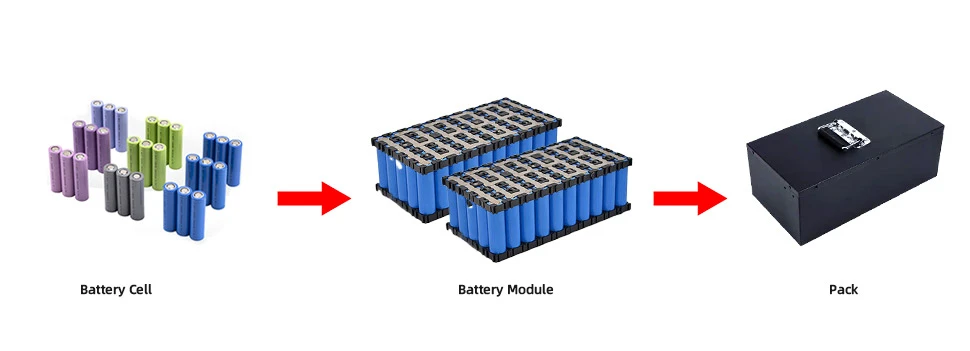
Before diving into the manufacturing process, let's clarify the core components of lithium-ion battery systems. These terms are foundational for anyone involved in battery production or design.
Battery Cell: The basic unit of a lithium-ion battery,Cells store and release energy through lithium-ion movement between electrodes.
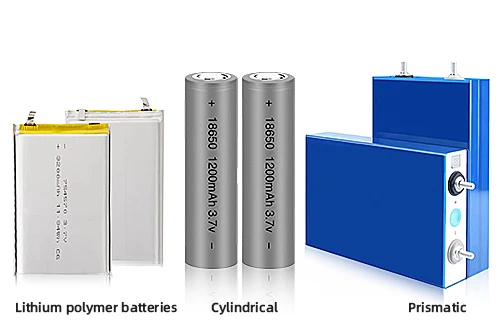
1.Cylindrical (e.g., 18650 or 21700)
2.Prismatic
3.Lithium polymer batteries
The Importance of Lithium-Ion Battery Pack Manufacturing
Lithium-ion battery packs are critical for the transition to sustainable energy. In 2024, global battery demand surpassed 1 terawatt-hour (TWh), driven largely by a 25% rise in EV sales to 17 million units. By 2030, EV battery demand alone is expected to reach over 3 TWh. Proper manufacturing not only boosts performance but also enhances safety, reducing risks like thermal runaway.
Adhering to standards such as IEC 62133 for cell and battery safety testing ensures compliance and reliability. Poor assembly can lead to failures, as seen in historical recalls, emphasizing the need for precision in every step.
Step-by-Step Lithium-Ion Battery Pack Production Process
The lithium-ion battery pack assembly process involves precise stages to ensure consistency, safety, and performance. Based on established workflows, this includes cell preparation, assembly, testing, and packaging. We'll outline each step with best practices drawn from industry experts.
1. Full Cell Inspection
All incoming cells undergo thorough quality checks to identify defects early. This step is crucial for formats like cylindrical, prismatic, or pouch cells.
Visual and Dimensional Checks**: Inspect for dents, leaks, or irregularities using automated vision systems.
Electrical Testing: Measure voltage, capacity, and internal resistance to ensure cells meet specifications.

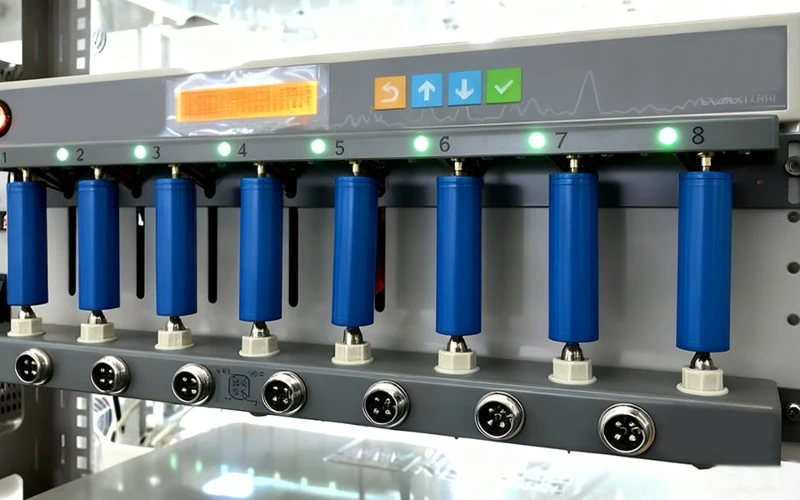
2. Cell Sorting and Matching
Cells are grouped based on performance metrics to create balanced modules.
Internal Resistance Testing: Ensures uniform impedance for even current distribution.
Polarity and Capacity Matching: Positive and negative electrodes are separated and paired for consistency.
Best Practice: Sort cells into bins with tolerances under 5% variance in capacity and resistance, as recommended in assembly processes. This extends pack lifespan by preventing overstress on weaker cells.
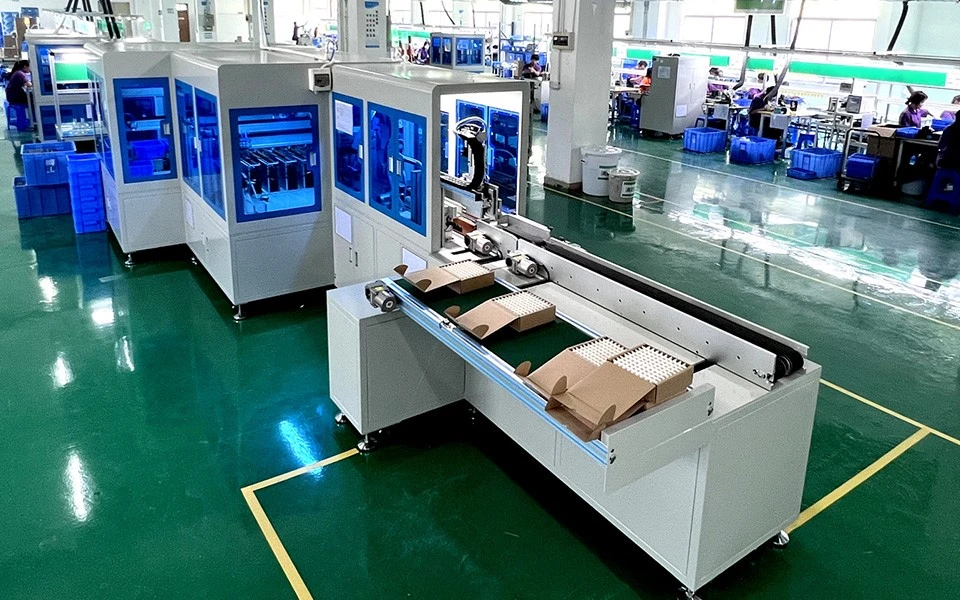
3. Placing Cells into Custom Molds or Holders
Cells are positioned in custom fixtures or holders to maintain alignment during assembly.
Best Practice: Incorporate insulation materials like polyester films to prevent short circuits.
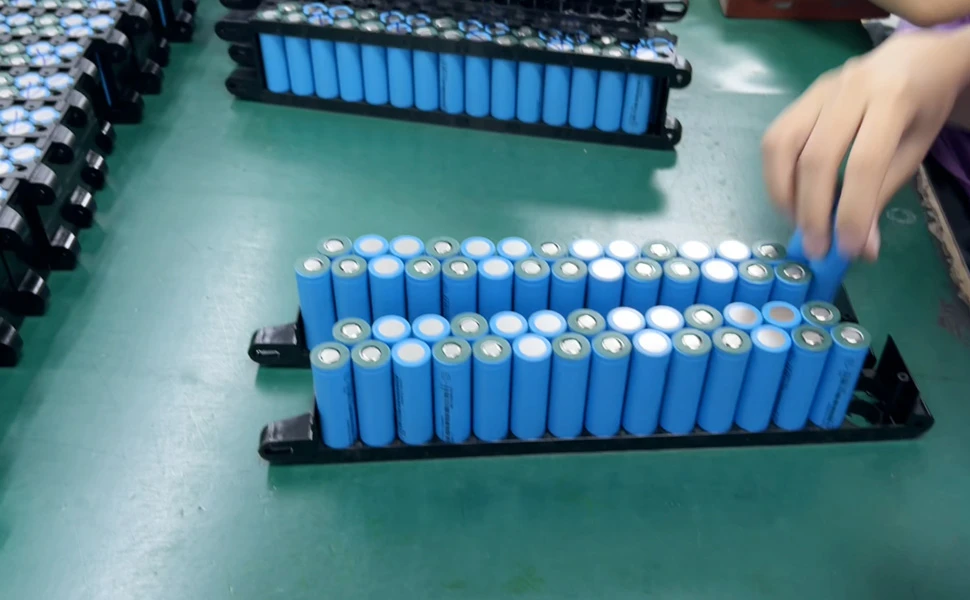
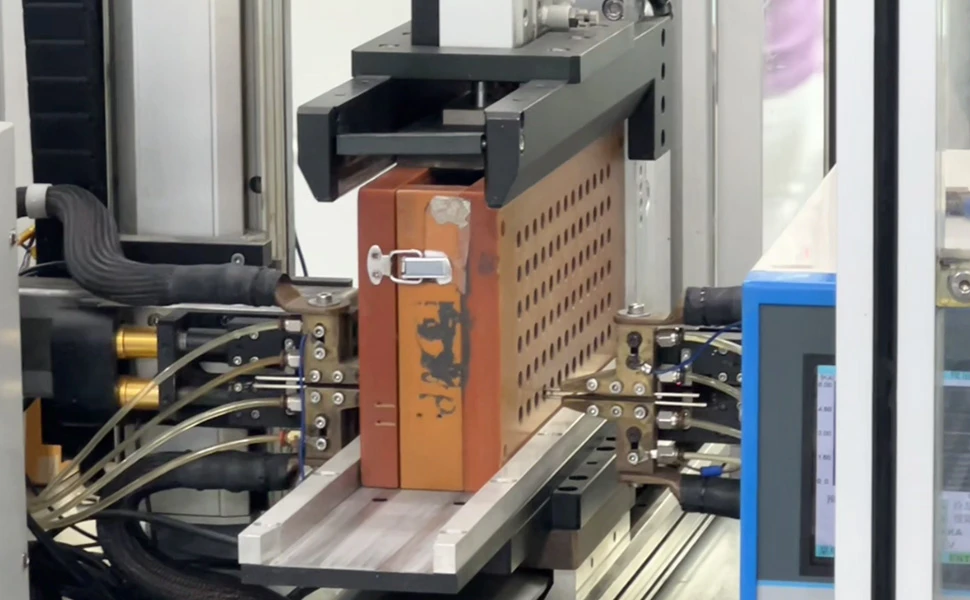
4. Soldering or Welding Connections
Cells are interconnected using spot welding or laser welding for series/parallel configurations.
Technique: Nickel strips are welded to terminals for low-resistance paths.
Best Practice**: Employ resistance spot welding for cost-effectiveness in mass production, ensuring weld strength tests post-assembly. Avoid overheating to prevent cell damage.
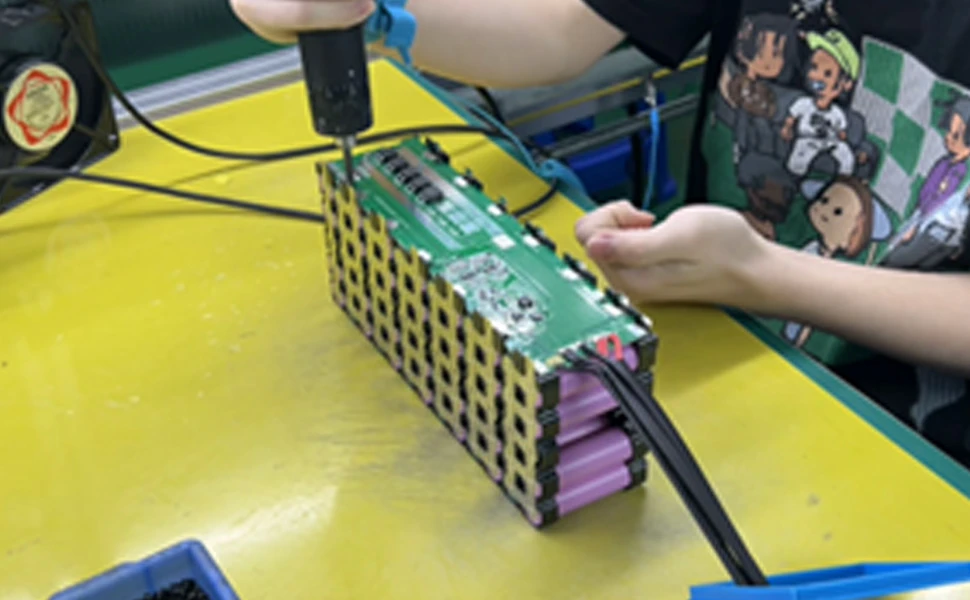
5. BMS and Cable Integration
The Battery Management System (BMS) is welded in, along with cables for power and data.
Function: BMS monitors voltage, temperature, and state-of-charge to prevent overcharge/discharge.
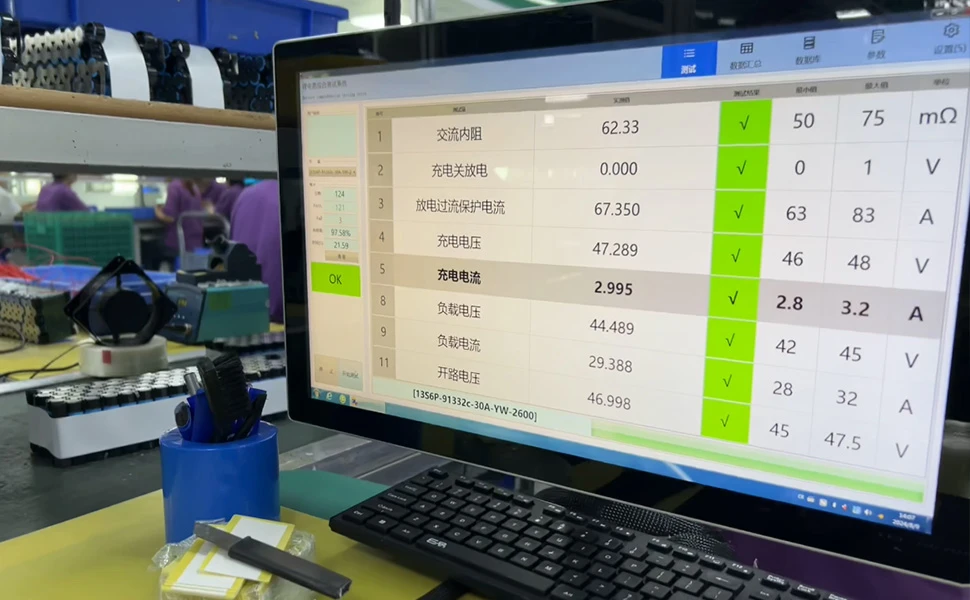
6. Charge-Discharge Cycling Tests
Packs undergo initial charging and discharging to activate cells and verify performance.
Process: Cycle at controlled rates to measure capacity and efficiency.
Best Practice: Follow NFPA 855 standards for safe testing environments.
7. Enclosure Assembly and Sealing
The pack is encased in a protective shell or PVC wrap.
Materials: Use durable, fire-resistant housings.
Best Practice: Ensure IP-rated seals for moisture protection, especially for outdoor applications.
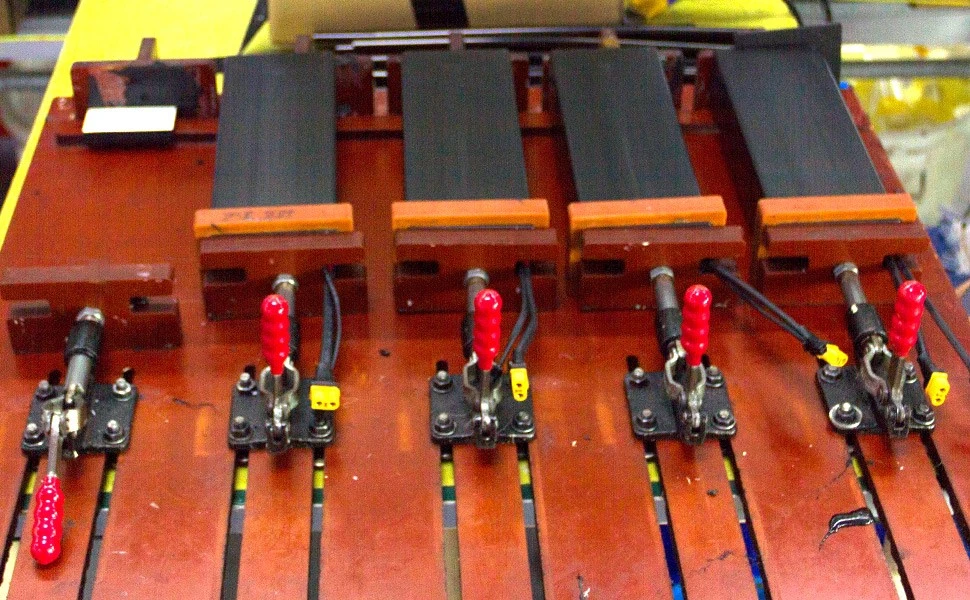
8. Comprehensive Final Testing
Full system checks for voltage balance, insulation, and functionality.
Best Practice: Include aging tests to simulate real-world use.
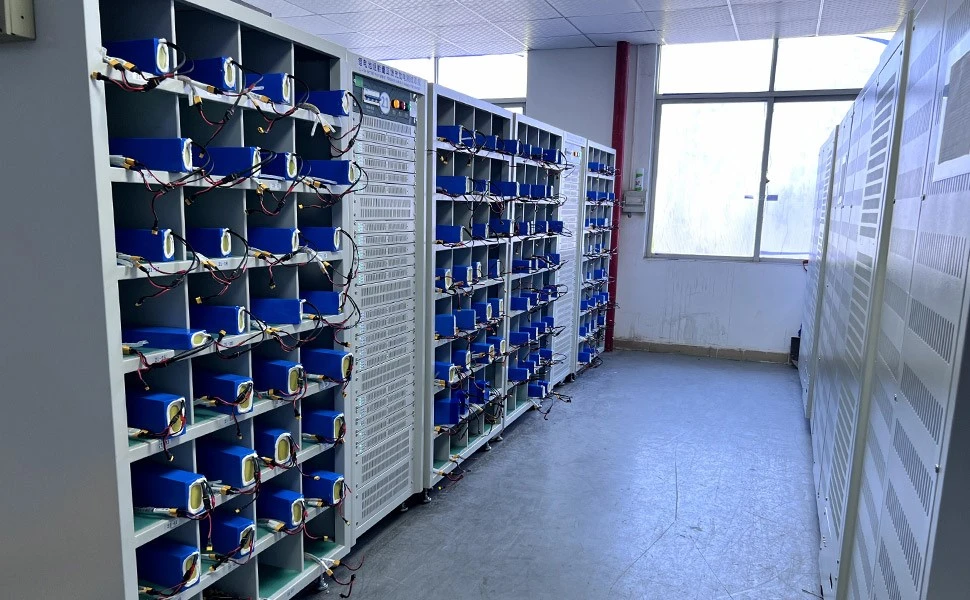
8. Comprehensive Final Testing
Full system checks for voltage balance, insulation, and functionality.
Best Practice: Include aging tests to simulate real-world use.