







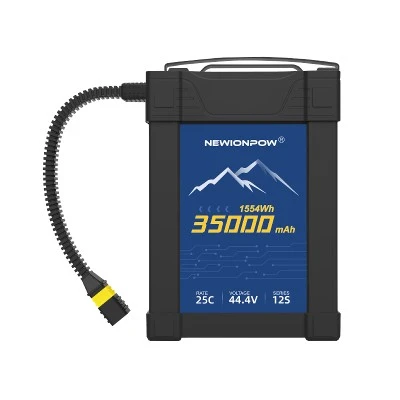


As a seasoned hoverboard battery supplier, I've witnessed firsthand the exhilarating rise of hoverboards as a popular mode of personal transportation. These self - balancing marvels offer a fun and convenient way to get around, but one crucial aspect that often gets overlooked is the proper charging of their batteries. Ensuring the safety of your hoverboard battery during charging is not only essential for the longevity of the battery but also for your personal safety. In this blog, I'll share some important safety precautions to keep in mind when charging your hoverboard battery.
Understanding Hoverboard Batteries
Before we dive into the safety precautions, it's important to understand the type of batteries commonly used in hoverboards. Most modern hoverboards are powered by lithium - ion batteries, which are known for their high energy density, long life span, and relatively low self - discharge rate. These batteries, such as the Lithium Battery Pack 36V4Ah Hoverboard Ebike Scooter, 36V 2Ah Scooter Hoverboard Lithium Battery, and 24V Scooter Battery, are powerful but can be potentially dangerous if not handled correctly.
Use the Manufacturer - Recommended Charger
One of the most fundamental safety rules when charging a hoverboard battery is to use the charger that came with the hoverboard or a charger specifically recommended by the manufacturer. Using an incompatible charger can lead to overcharging, overheating, and even battery explosions. The manufacturer - recommended charger is designed to provide the correct voltage and current for your battery, ensuring a safe and efficient charging process.
Inspect the Charger and Battery Regularly
Before each charging session, take a few minutes to inspect the charger and the battery for any signs of damage. Look for frayed wires, loose connections, or bulges in the battery. If you notice any damage, do not attempt to charge the battery. A damaged charger or battery can pose a serious fire hazard. Instead, contact the manufacturer or a professional technician for further assistance.
Charge in a Safe Location
The location where you charge your hoverboard battery is also crucial. Always charge your hoverboard in a well - ventilated area away from flammable materials, such as curtains, paper, or gasoline. Avoid charging the hoverboard on soft surfaces like beds or sofas, as these can block the ventilation and cause the battery to overheat. A hard, flat surface like a table or a floor is ideal for charging.
Do Not Overcharge the Battery
Overcharging is one of the most common causes of battery failure and safety issues. Most modern hoverboards are equipped with built - in charging circuits that are designed to stop charging once the battery is full. However, it's still a good practice to unplug the charger as soon as the battery is fully charged. Leaving the battery connected to the charger for an extended period can cause the battery to overheat and reduce its lifespan.
Avoid Charging in Extreme Temperatures
Extreme temperatures can have a significant impact on the performance and safety of your hoverboard battery. Do not charge the battery in extremely hot or cold environments. High temperatures can cause the battery to overheat, while low temperatures can reduce the battery's capacity and make it more prone to damage. The ideal temperature range for charging a lithium - ion battery is between 20°C and 25°C (68°F and 77°F).
Follow the Charging Instructions
Each hoverboard battery may have specific charging instructions provided by the manufacturer. Make sure to read and follow these instructions carefully. Some batteries may require a different charging process, such as a slow initial charge or a specific charging time. By following the instructions, you can ensure that your battery is charged safely and efficiently.
Do Not Charge a Damaged Hoverboard
If your hoverboard has been in an accident or has suffered any physical damage, do not attempt to charge the battery. A damaged hoverboard may have internal wiring issues or a cracked battery case, which can lead to short - circuits and other safety problems. Have the hoverboard inspected by a professional before attempting to charge it again.
Keep Children and Pets Away
When charging your hoverboard, keep children and pets away from the charging area. The charger and the battery can get hot during the charging process, and there is always a small risk of electrical shock or fire. Make sure to store the hoverboard and the charger out of reach of children when not in use.
Monitor the Charging Process
While the battery is charging, it's a good idea to monitor the process periodically. Check the charger and the battery for any signs of overheating, such as excessive warmth or a burning smell. If you notice anything unusual, immediately unplug the charger and contact the manufacturer or a professional technician.
Dispose of Old Batteries Properly
When your hoverboard battery reaches the end of its lifespan, it's important to dispose of it properly. Lithium - ion batteries contain toxic chemicals that can be harmful to the environment if not disposed of correctly. Many local recycling centers accept lithium - ion batteries for recycling. Do not throw the battery in the trash.
Conclusion
Charging a hoverboard battery safely is not difficult, but it requires a little bit of attention and care. By following these safety precautions, you can ensure that your hoverboard battery lasts longer and that you and your property are protected from potential hazards.


As a hoverboard battery supplier, I'm committed to providing high - quality and safe batteries. If you have any questions about our products or need further advice on hoverboard battery safety, I encourage you to reach out to me. We're here to help you make the best choice for your hoverboard and ensure a safe and enjoyable riding experience. Whether you're in the market for a new Lithium Battery Pack 36V4Ah Hoverboard Ebike Scooter, 36V 2Ah Scooter Hoverboard Lithium Battery, or 24V Scooter Battery, feel free to contact us for more information and to discuss your purchasing needs.
References
- Battery University: A comprehensive resource for battery knowledge and safety information.
- Consumer Product Safety Commission (CPSC): Provides guidelines and recalls related to consumer product safety, including hoverboard batteries.
- Hoverboard manufacturer's user manuals: Contain specific charging instructions and safety information for each model.


