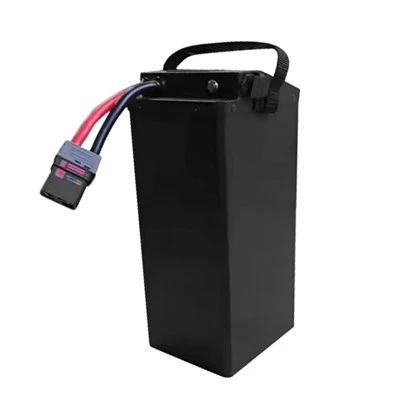



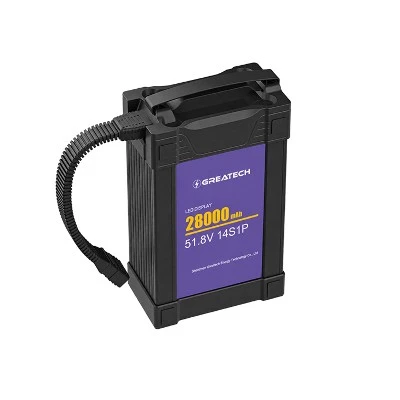


As a supplier of 24V 150Ah batteries, I often receive inquiries from customers about the compatibility of our batteries with power tools. This question is not only relevant but also crucial for those looking to optimize the performance of their equipment. In this blog post, I will delve into the technical aspects, advantages, and limitations of using a 24V 150Ah battery in a power tool.
Technical Compatibility
The first and most important factor to consider is the voltage requirements of the power tool. Power tools are designed to operate within a specific voltage range, and using a battery with the wrong voltage can lead to serious problems. A 24V 150Ah battery has a nominal voltage of 24 volts, which means it can provide a stable power supply at this voltage level. However, not all power tools are rated for 24 volts. Some may require a lower or higher voltage, such as 12V, 18V, or 36V.
Before using a 24V 150Ah battery with a power tool, it is essential to check the tool's user manual or specifications to ensure that it can handle the 24V voltage. If the tool is not designed for 24V, using a 24V battery can cause overheating, damage to the motor, or even pose a safety hazard. On the other hand, if the tool is rated for 24V, the 24V 150Ah battery can provide a reliable and consistent power source.
Another important consideration is the current draw of the power tool. The current draw is the amount of electrical current that the tool consumes when it is operating. A 24V 150Ah battery has a capacity of 150 ampere-hours (Ah), which means it can provide a current of 150 amperes for one hour, or a smaller current for a longer period. However, the actual current draw of a power tool can vary depending on its power rating, the type of work it is performing, and the load it is under.
Some power tools, such as drills, saws, and grinders, have a high current draw when they are operating at full power. These tools may require a battery that can provide a high current output. A 24V 150Ah battery can typically handle a moderate to high current draw, but it is important to make sure that the battery's maximum discharge rate is sufficient for the tool's requirements. If the battery cannot provide enough current, the tool may not operate properly or may even stall.
Advantages of Using a 24V 150Ah Battery in a Power Tool
If the power tool is compatible with a 24V battery, there are several advantages to using a 24V 150Ah battery. One of the main advantages is the increased power and performance. A 24V battery can provide more power than a lower voltage battery, which means that the power tool can operate at a higher speed and with more torque. This can be particularly beneficial for heavy-duty applications, such as construction, woodworking, and metalworking.
Another advantage of using a 24V 150Ah battery is the longer runtime. The 150Ah capacity of the battery means that it can store more energy than a smaller capacity battery. This allows the power tool to operate for a longer period of time without needing to be recharged. This can be especially useful for jobs that require continuous use of the tool, such as landscaping, painting, and plumbing.
In addition, a 24V 150Ah battery is typically more durable and reliable than a smaller capacity battery. The larger capacity battery can handle more charge and discharge cycles, which means that it will last longer and require less frequent replacement. This can save money in the long run and reduce the downtime associated with battery replacement.
Limitations of Using a 24V 150Ah Battery in a Power Tool
While there are many advantages to using a 24V 150Ah battery in a power tool, there are also some limitations to consider. One of the main limitations is the size and weight of the battery. A 24V 150Ah battery is typically larger and heavier than a smaller capacity battery. This can make it more difficult to carry and maneuver the power tool, especially if the tool is being used for extended periods of time or in tight spaces.
Another limitation of using a 24V 150Ah battery is the longer charging time. The larger capacity battery takes longer to charge than a smaller capacity battery. This can be a problem if the power tool needs to be used again quickly. It is important to plan ahead and make sure that the battery has enough time to charge before it is needed.
In addition, a 24V 150Ah battery can be more expensive than a smaller capacity battery. The higher cost is due to the larger capacity and the higher quality of the battery. However, the increased power, performance, and runtime of the battery can often justify the higher cost, especially for professional users who rely on their power tools for their livelihood.
Other Considerations
In addition to the technical compatibility, advantages, and limitations, there are some other considerations to keep in mind when using a 24V 150Ah battery in a power tool. One of the most important considerations is the safety of the battery. It is essential to follow the manufacturer's instructions for charging, storing, and using the battery. This includes using the correct charger, avoiding overcharging and over-discharging the battery, and storing the battery in a cool, dry place.
Another consideration is the maintenance of the battery. A 24V 150Ah battery requires regular maintenance to ensure its optimal performance and longevity. This includes checking the battery's voltage and state of charge, cleaning the battery terminals, and storing the battery properly when it is not in use.
Finally, it is important to consider the availability of replacement batteries and chargers. If the battery needs to be replaced or the charger needs to be repaired, it is important to have access to a reliable source of replacement parts. As a supplier of 24V 150Ah batteries, we offer a wide range of replacement batteries and chargers to meet our customers' needs.


Conclusion
In conclusion, a 24V 150Ah battery can be used in a power tool if the tool is compatible with a 24V battery and the battery's specifications meet the tool's requirements. Using a 24V 150Ah battery can provide increased power, performance, and runtime, but it also has some limitations, such as the size and weight of the battery and the longer charging time.
If you are considering using a 24V 150Ah battery in your power tool, I recommend that you consult the tool's user manual or specifications to ensure compatibility. You may also want to consider the specific requirements of your application and the type of work you will be performing. If you have any questions or need further information, please do not hesitate to contact us. We are a leading supplier of 24V 150Ah Battery, and we are committed to providing our customers with high-quality products and excellent customer service. We also offer a range of other battery options, including 24V 400Ah Battery and 24V 500Ah Battery, to meet your specific needs.
If you are interested in purchasing our batteries or have any questions about our products, please contact us for more information. We look forward to working with you to find the best battery solution for your power tool.
References
- Battery University: A comprehensive resource for battery information and technology.
- Power Tool Manufacturer's User Manuals: Provides detailed information about the power tool's specifications and requirements.
- Electrical Engineering Textbooks: Offers in-depth knowledge of electrical circuits and battery technology.