





In the realm of medical device technology, the choice of power source is a critical decision that can significantly impact the performance, reliability, and safety of the equipment. One question that often arises is whether a 24V battery can be used in a medical device. As a 24V battery supplier, I'll delve into this topic, exploring the feasibility, advantages, and considerations associated with using 24V batteries in medical applications.
Feasibility of Using 24V Batteries in Medical Devices
The feasibility of using a 24V battery in a medical device primarily depends on the device's power requirements and design specifications. Many modern medical devices, such as portable monitors, infusion pumps, and mobile diagnostic equipment, are designed to operate within a specific voltage range. A 24V battery can be a suitable power source if the device is engineered to handle this voltage level.
Medical device manufacturers typically conduct extensive testing to ensure that their products are compatible with different power sources. They design the internal circuitry and components to function optimally within a defined voltage tolerance. If a device is rated to accept a 24V input, then a 24V battery can be safely used without causing damage to the equipment or compromising its performance.
Advantages of 24V Batteries in Medical Devices
There are several advantages to using 24V batteries in medical devices:
Higher Power Output
Compared to lower-voltage batteries, 24V batteries can deliver a higher power output. This is particularly beneficial for medical devices that require a significant amount of energy to operate, such as high-resolution imaging equipment or power-hungry diagnostic tools. With a 24V battery, these devices can function more efficiently and provide accurate results in a shorter amount of time.
Longer Runtime
24V batteries often have a larger capacity than their lower-voltage counterparts, which means they can store more energy. This results in a longer runtime for medical devices, reducing the need for frequent battery replacements or recharging. For portable medical equipment that needs to be used continuously in various settings, such as ambulances or home healthcare environments, a 24V battery with a long runtime can be a game-changer.
Reduced Wiring Complexity
Using a 24V battery can simplify the wiring and electrical system of a medical device. Since the voltage is higher, less current is required to deliver the same amount of power. This allows for the use of thinner wires, which can reduce the overall size and weight of the device. Additionally, fewer wires mean less potential for electrical interference and a more reliable electrical connection.
Considerations When Using 24V Batteries in Medical Devices
While there are many advantages to using 24V batteries in medical devices, there are also some important considerations to keep in mind:
Safety
Safety is of utmost importance in the medical field. Medical devices must comply with strict safety standards to ensure the well-being of patients and healthcare providers. When using a 24V battery, it's essential to ensure that the battery is properly designed, manufactured, and tested to meet these safety requirements. This includes features such as overcharge protection, short-circuit protection, and thermal management to prevent overheating and potential fire hazards.


Compatibility
As mentioned earlier, the compatibility of a 24V battery with a medical device is crucial. Before using a 24V battery, it's important to consult the device's user manual or contact the manufacturer to confirm that the battery is suitable for the specific model. Using an incompatible battery can not only damage the device but also pose a safety risk.
Battery Management
Proper battery management is essential to ensure the longevity and performance of a 24V battery. This includes regular charging and discharging cycles, as well as monitoring the battery's state of charge and health. Medical device manufacturers may provide specific guidelines on how to manage the battery to optimize its performance and extend its lifespan.
Our 24V Battery Offerings
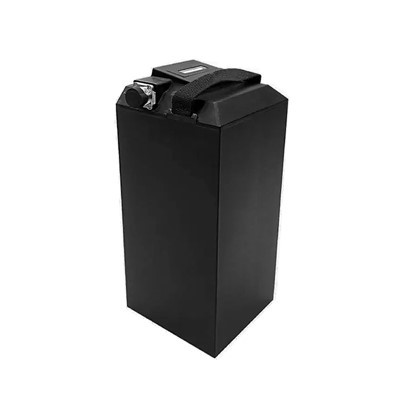
As a 24V battery supplier, we offer a range of high-quality batteries that are suitable for medical devices. Our 24V 400Ah Battery provides a large capacity and long runtime, making it ideal for power-hungry medical equipment. The 24V 100Ah Battery is a more compact option that is suitable for smaller, portable medical devices. And our 24V 300Ah Battery offers a balance between capacity and size, making it a versatile choice for a variety of medical applications.
All of our 24V batteries are designed and manufactured to the highest standards of quality and safety. We use advanced technology and materials to ensure that our batteries provide reliable performance and long service life. Our batteries are also tested rigorously to meet or exceed industry standards, giving you peace of mind knowing that you're using a safe and reliable power source for your medical devices.
Conclusion
In conclusion, a 24V battery can be a viable power source for many medical devices, provided that the device is compatible and the battery is properly managed. The advantages of higher power output, longer runtime, and reduced wiring complexity make 24V batteries an attractive option for medical applications. However, it's important to consider the safety and compatibility aspects when choosing a 24V battery for a medical device.
If you're in the market for a 24V battery for your medical device, we encourage you to contact us to discuss your specific requirements. Our team of experts can help you select the right battery for your application and provide you with all the information you need to make an informed decision. We're committed to providing high-quality products and excellent customer service, and we look forward to working with you to meet your power needs.
References
- [1] International Electrotechnical Commission (IEC). Medical electrical equipment - Part 1: General requirements for basic safety and essential performance. IEC 60601-1:2012.
- [2] United States Food and Drug Administration (FDA). Guidance for Industry and Food and Drug Administration Staff - Battery-Powered Medical Devices. 2016.
- [3] Battery Council International (BCI). Battery Standards Manual. 2020.