




When it comes to powering food processing machines, the choice of battery is a critical decision that can significantly impact the machine's performance, efficiency, and overall functionality. As a trusted 48V battery supplier, I often encounter inquiries about whether a 48V battery can be used in a food processing machine. In this blog post, I will delve into this topic, exploring the feasibility, advantages, and considerations of using a 48V battery in food processing applications.
Feasibility of Using a 48V Battery in Food Processing Machines
The feasibility of using a 48V battery in a food processing machine depends on several factors, including the machine's power requirements, electrical system compatibility, and the specific application. Many modern food processing machines are designed to operate on a range of voltages, including 48V. These machines may include mixers, grinders, slicers, and other equipment used in commercial kitchens, bakeries, and food production facilities.
One of the primary advantages of using a 48V battery in a food processing machine is its ability to provide a high level of power and energy density. Compared to lower voltage batteries, a 48V battery can deliver more power to the machine, allowing it to operate more efficiently and effectively. This is particularly important for food processing machines that require high torque and power to perform tasks such as grinding, mixing, and slicing.
In addition to its power capabilities, a 48V battery also offers several other benefits for food processing applications. For example, it can provide a longer runtime compared to lower voltage batteries, reducing the need for frequent recharging. This is especially beneficial for commercial food processing operations that require continuous operation throughout the day.
Advantages of Using a 48V Battery in Food Processing Machines
There are several advantages to using a 48V battery in a food processing machine, including:


- High Power Output: A 48V battery can provide a high level of power and energy density, allowing food processing machines to operate more efficiently and effectively.
- Longer Runtime: Compared to lower voltage batteries, a 48V battery can provide a longer runtime, reducing the need for frequent recharging.
- Improved Performance: The high power output of a 48V battery can improve the performance of food processing machines, allowing them to perform tasks more quickly and accurately.
- Energy Efficiency: A 48V battery is generally more energy-efficient than lower voltage batteries, which can help to reduce energy costs and environmental impact.
- Compatibility: Many modern food processing machines are designed to operate on a range of voltages, including 48V, making it a compatible and versatile power source.
Considerations When Using a 48V Battery in Food Processing Machines
While there are many advantages to using a 48V battery in a food processing machine, there are also some considerations that need to be taken into account. These include:
- Electrical System Compatibility: Before using a 48V battery in a food processing machine, it is important to ensure that the machine's electrical system is compatible with the battery's voltage and capacity. This may require consulting the machine's manufacturer or a qualified electrician.
- Safety: As with any electrical equipment, safety is a top priority when using a 48V battery in a food processing machine. It is important to follow all safety guidelines and procedures when handling and installing the battery, and to ensure that the machine is properly grounded and protected against electrical hazards.
- Maintenance: A 48V battery requires regular maintenance to ensure its optimal performance and longevity. This may include checking the battery's charge level, inspecting the battery for damage or wear, and following the manufacturer's recommended maintenance schedule.
- Cost: While a 48V battery may offer many advantages, it is important to consider the cost of the battery and its associated components. In some cases, the cost of a 48V battery may be higher than that of a lower voltage battery, which may impact the overall cost of the food processing machine.
Types of 48V Batteries for Food Processing Machines
There are several types of 48V batteries available for food processing machines, each with its own advantages and disadvantages. Some of the most common types of 48V batteries include:
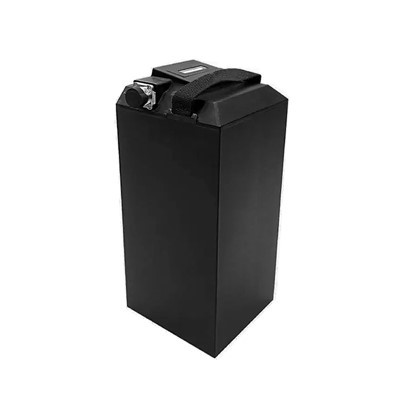
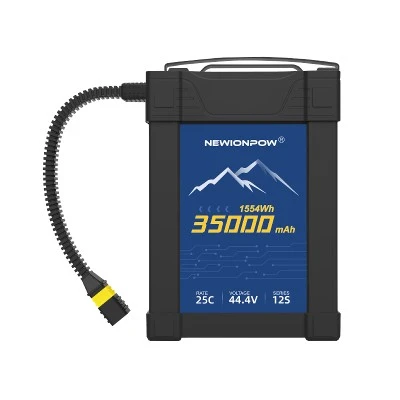
- Lithium-Ion Batteries: Lithium-ion batteries are a popular choice for food processing machines due to their high energy density, long lifespan, and low self-discharge rate. They are also lightweight and compact, making them easy to install and transport. 48V 24Ah Lithium Ion Battery and 48V 30Ah Lithium Ion Battery are two examples of lithium-ion batteries that are suitable for food processing applications.
- Lead-Acid Batteries: Lead-acid batteries are a traditional choice for food processing machines due to their low cost and high reliability. They are also widely available and easy to maintain. However, lead-acid batteries have a lower energy density and shorter lifespan compared to lithium-ion batteries, and they require regular maintenance to ensure their optimal performance.
- Nickel-Metal Hydride (NiMH) Batteries: NiMH batteries are a newer type of battery that offers a good balance of energy density, lifespan, and cost. They are also environmentally friendly and do not contain any toxic materials. However, NiMH batteries have a higher self-discharge rate compared to lithium-ion batteries, which may require more frequent recharging.
Conclusion
In conclusion, a 48V battery can be a viable and advantageous power source for food processing machines. Its high power output, longer runtime, and improved performance make it a suitable choice for many commercial food processing applications. However, it is important to consider the machine's electrical system compatibility, safety, maintenance, and cost when choosing a 48V battery.
As a 48V battery supplier, I am committed to providing high-quality batteries and expert advice to help you choose the right battery for your food processing machine. If you have any questions or need further information, please do not hesitate to contact me. I would be happy to discuss your specific requirements and provide you with a customized solution.
References
- Battery University. (n.d.). Lithium-ion Batteries. Retrieved from https://batteryuniversity.com/learn/article/lithium_ion_batteries
- Energy.gov. (n.d.). Batteries for Electric Vehicles. Retrieved from https://www.energy.gov/eere/vehicles/articles/batteries-electric-vehicles
- Wikipedia. (n.d.). Lead-Acid Battery. Retrieved from https://en.wikipedia.org/wiki/Lead–acid_battery
- Wikipedia. (n.d.). Nickel-Metal Hydride Battery. Retrieved from https://en.wikipedia.org/wiki/Nickel–metal_hydride_battery