




In the dynamic landscape of textile manufacturing, the pursuit of efficient and reliable power sources is a constant challenge. One question that frequently arises is whether a 48V battery can be used in a textile machine. As a 48V battery supplier, I'm here to delve into this topic and provide you with a comprehensive analysis.
Understanding Textile Machine Power Requirements
Textile machines come in a wide variety of types and sizes, each with its own unique power requirements. Some machines, such as small knitting machines or embroidery machines, may have relatively low power demands, while larger industrial weaving machines or spinning machines can consume significant amounts of energy.
The power requirements of a textile machine are typically determined by several factors, including the motor size, the speed of operation, and the complexity of the machine's functions. For example, a high-speed spinning machine with multiple motors may require a more powerful power source compared to a simple hand-operated knitting machine.
Advantages of Using a 48V Battery in Textile Machines
There are several advantages to using a 48V battery in textile machines. Firstly, 48V batteries offer a good balance between voltage and capacity, providing sufficient power to operate most textile machines while still being relatively compact and lightweight. This makes them ideal for use in portable or semi-portable textile machines, as well as in machines where space is limited.
Secondly, 48V batteries are generally more efficient than lower voltage batteries, which means they can provide more power for a longer period of time. This can result in increased productivity and reduced energy costs, as the machine can operate for longer periods without the need for frequent recharging.
Another advantage of using a 48V battery is that it can provide a more stable and consistent power supply compared to other power sources, such as generators or grid power. This is particularly important for textile machines, which often require a precise and stable power supply to ensure accurate and consistent operation.
Compatibility Considerations
Before using a 48V battery in a textile machine, it's important to consider the compatibility of the battery with the machine's electrical system. Not all textile machines are designed to operate with a 48V battery, and using an incompatible battery can result in damage to the machine or the battery itself.
One of the key considerations is the voltage rating of the machine's electrical system. Most textile machines are designed to operate within a specific voltage range, and using a battery with a voltage outside of this range can cause the machine to malfunction or even damage the electrical components. It's important to check the machine's user manual or consult with the manufacturer to determine the appropriate voltage range for the machine.
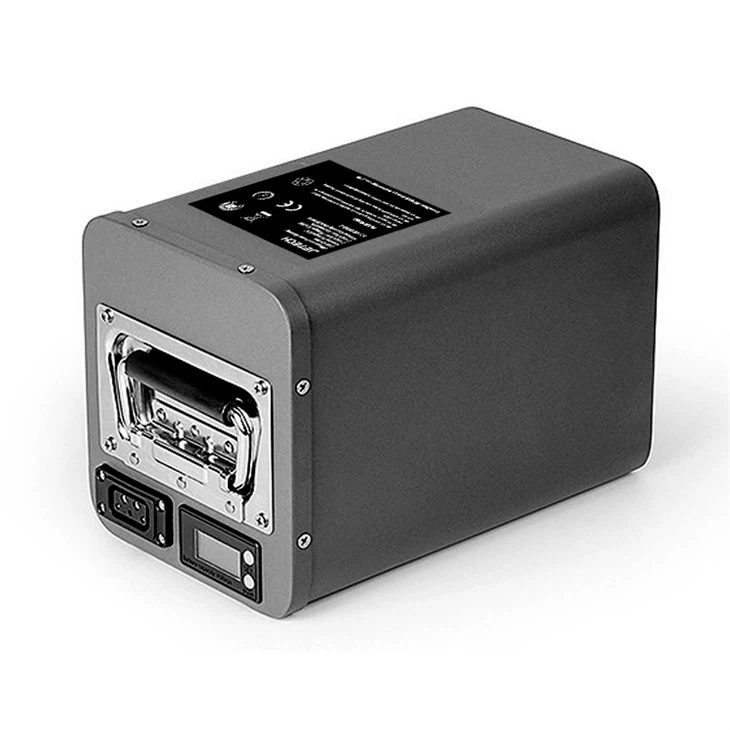

Another consideration is the battery's capacity and discharge rate. The battery's capacity refers to the amount of energy it can store, while the discharge rate refers to the rate at which it can release that energy. It's important to choose a battery with a capacity and discharge rate that are suitable for the machine's power requirements. If the battery's capacity is too low, the machine may not be able to operate for a sufficient period of time, while if the discharge rate is too low, the machine may not be able to draw enough power to operate at its full capacity.
Types of 48V Batteries Suitable for Textile Machines
There are several types of 48V batteries available on the market, each with its own unique characteristics and advantages. Some of the most common types of 48V batteries used in textile machines include lead-acid batteries, lithium-ion batteries, and nickel-metal hydride (NiMH) batteries.
Lead-acid batteries are one of the oldest and most widely used types of batteries. They are relatively inexpensive and have a high capacity, making them suitable for use in large industrial textile machines. However, lead-acid batteries are also heavy and bulky, and they require regular maintenance to ensure optimal performance.
Lithium-ion batteries, on the other hand, are a more modern and advanced type of battery. They are lightweight, compact, and have a high energy density, which means they can provide more power for a longer period of time compared to lead-acid batteries. Lithium-ion batteries also have a longer lifespan and require less maintenance, making them a popular choice for portable and semi-portable textile machines.
NiMH batteries are another type of battery that is commonly used in textile machines. They have a higher energy density than lead-acid batteries and are more environmentally friendly, but they are also more expensive. NiMH batteries are suitable for use in machines where a high level of performance is required, but where cost is not the primary consideration.
Our 48V Battery Products
As a 48V battery supplier, we offer a range of high-quality 48V batteries that are suitable for use in textile machines. Our batteries are designed to provide reliable and efficient power, and they are available in a variety of capacities and configurations to meet the specific needs of our customers.
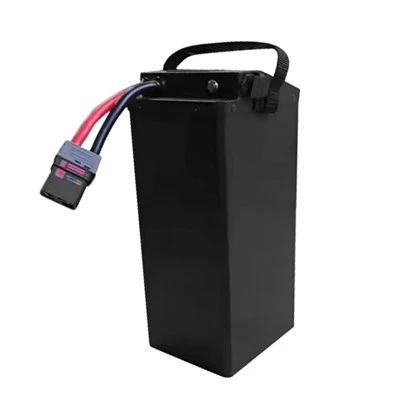
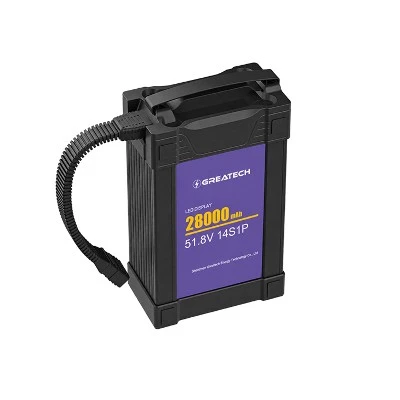
One of our most popular products is the 48V 30Ah Lithium Ion Battery. This battery has a high capacity and a long lifespan, making it ideal for use in large industrial textile machines. It also features a built-in battery management system (BMS) that helps to protect the battery from overcharging, over-discharging, and short-circuiting, ensuring safe and reliable operation.
Another popular product is the 48V 24Ah Lithium Ion Battery. This battery is a good choice for use in medium-sized textile machines, as it provides a good balance between capacity and size. It also has a high energy density and a fast charging time, which means it can be quickly recharged and put back into use.
We also offer the 48V 20Ah Lithium Ion Battery, which is a compact and lightweight battery that is suitable for use in portable or semi-portable textile machines. Despite its small size, this battery still provides a sufficient amount of power to operate most textile machines, and it has a long lifespan and a low self-discharge rate.
Conclusion
In conclusion, a 48V battery can be a viable power source for many textile machines, offering several advantages over other power sources. However, it's important to carefully consider the compatibility of the battery with the machine's electrical system, as well as the specific power requirements of the machine, before making a decision.
If you're interested in using a 48V battery in your textile machine, or if you have any questions about our 48V battery products, please don't hesitate to contact us. Our team of experts will be happy to provide you with more information and help you choose the right battery for your needs. We look forward to working with you to improve the efficiency and productivity of your textile manufacturing operations.