




Can I use a 72v battery in hot weather?
As a supplier of 72V batteries, I often get asked about the usability of these batteries in hot weather. It's a valid concern, as extreme temperatures can significantly impact battery performance and lifespan. In this blog post, I'll delve into the science behind using a 72V battery in hot conditions, explore the potential challenges, and offer some practical solutions.
Understanding Battery Chemistry and Temperature
Before we discuss the effects of hot weather on 72V batteries, it's essential to understand the basic chemistry involved. Most 72V batteries, especially those used in electric vehicles and other high - power applications, are lithium - iron - phosphate (LiFePO4) batteries. LiFePO4 batteries are known for their high energy density, long cycle life, and relatively good thermal stability compared to other lithium - ion chemistries.
However, like all batteries, LiFePO4 batteries are sensitive to temperature. Chemical reactions within the battery occur at an optimal rate within a specific temperature range. When the temperature rises above this range, these reactions can speed up, leading to several issues.


Effects of Hot Weather on 72V LiFePO4 Batteries
- Reduced Battery Life: High temperatures accelerate the degradation of the battery's electrodes and electrolyte. The increased heat causes the formation of a solid - electrolyte interphase (SEI) layer on the electrodes to occur at a faster rate. This layer can become thicker and less stable over time, leading to increased internal resistance and a decrease in the battery's capacity. As a result, the battery may not hold as much charge as it did when it was new, and its overall lifespan can be significantly reduced.
- Safety Risks: Although LiFePO4 batteries are generally considered safer than other lithium - ion chemistries, extremely high temperatures can still pose safety risks. At elevated temperatures, the electrolyte in the battery can become more volatile, increasing the risk of thermal runaway. Thermal runaway is a self - sustaining reaction that can cause the battery to overheat, vent, or even catch fire. While modern battery management systems (BMS) are designed to prevent thermal runaway, excessive heat can still push the battery beyond its safe operating limits.
- Performance Degradation: In hot weather, the battery's internal resistance increases, which can lead to a drop in voltage and a reduction in the battery's ability to deliver power. This means that your electric vehicle or other device powered by a 72V battery may experience reduced acceleration, shorter range, or slower charging times. The battery may also become more prone to overheating during high - load operations, further exacerbating the performance issues.
Can You Still Use a 72V Battery in Hot Weather?
The short answer is yes, you can use a 72V battery in hot weather, but you need to take certain precautions. Here are some tips to help you use your 72V battery safely and effectively in high - temperature conditions:
- Proper Ventilation: Ensure that the battery is installed in a well - ventilated area. This will help dissipate heat and prevent the battery from overheating. If you're using the battery in an electric vehicle, make sure the battery compartment has adequate ventilation holes or fans.
- Temperature Monitoring: Use a battery management system (BMS) that includes temperature sensors. The BMS can monitor the battery's temperature in real - time and take appropriate action if the temperature exceeds safe limits. For example, it can reduce the charging or discharging rate to prevent overheating.
- Avoid Overcharging and Overdischarging: In hot weather, it's even more important to avoid overcharging or overdischarging the battery. Overcharging can cause the battery to heat up further, while overdischarging can lead to irreversible damage to the electrodes. Use a charger that is compatible with your 72V battery and follow the manufacturer's charging instructions carefully.
- Cooling Systems: Consider using a cooling system to keep the battery at a reasonable temperature. Some electric vehicles are equipped with liquid - cooling systems that circulate coolant around the battery pack to remove heat. If your battery does not have a built - in cooling system, you can use external cooling methods such as heat sinks or fans.
Our 72V Battery Products
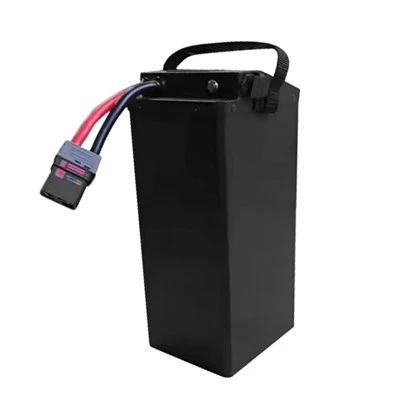
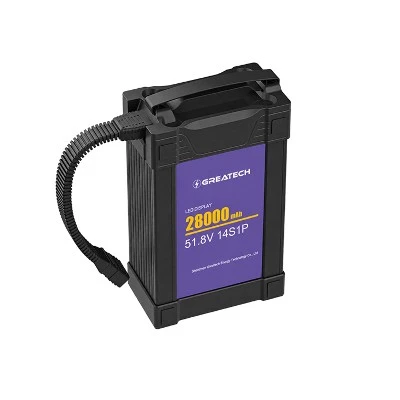
At our company, we offer a range of high - quality 72V LiFePO4 batteries designed to perform well even in challenging environments. Our 72V 50Ah LiFePo4 Battery is a great choice for medium - power applications such as electric motorcycles and scooters. It offers a good balance between capacity and size, making it suitable for a variety of uses.
For more demanding applications, our 72V 100Ah LiFePo4 Battery provides a higher capacity, allowing for longer range and more power. This battery is ideal for electric cars, golf carts, and other large - scale electric vehicles.
We also offer the Electrical Motorcycle Battery 72V 30Ah LiFePO4 Battery Deep Cycle Battery, which is specifically designed for deep - cycle applications. It can withstand repeated charging and discharging cycles, making it a reliable choice for electric motorcycles and other vehicles that require frequent use.
Conclusion
While hot weather can pose challenges for using a 72V battery, with proper precautions and the right battery selection, you can still use these batteries safely and effectively. Our 72V LiFePO4 batteries are designed to offer good performance and reliability even in high - temperature conditions. If you're in the market for a 72V battery, we encourage you to contact us to discuss your specific needs. Our team of experts can help you choose the right battery for your application and provide you with all the information you need to ensure its proper use and maintenance.
We look forward to working with you and helping you find the best 72V battery solution for your needs. Whether you're a manufacturer, a distributor, or an end - user, we're here to support you every step of the way.
References
- "Lithium - Iron - Phosphate Batteries: A Review of Their Performance and Applications" by X. Zhang, et al.
- "Thermal Management of Lithium - Ion Batteries for Electric Vehicles" by Y. Chen, et al.
- Battery University, a well - known online resource for battery technology information.