





As a supplier of 4S batteries, I often receive inquiries from customers about the possibility of connecting multiple 4S batteries in parallel. This question is not only relevant to hobbyists working on DIY projects but also to professionals in industries such as drones, robotics, and electric vehicles. In this blog post, I will delve into the technical aspects of connecting 4S batteries in parallel, the benefits and risks involved, and some practical considerations.
Understanding 4S Batteries
Before we discuss parallel connections, let's briefly review what a 4S battery is. A 4S battery refers to a lithium - polymer (LiPo) battery pack composed of four individual LiPo cells connected in series. Each LiPo cell typically has a nominal voltage of 3.7V. When four cells are connected in series, the nominal voltage of the 4S battery pack is 3.7V x 4 = 14.8V.
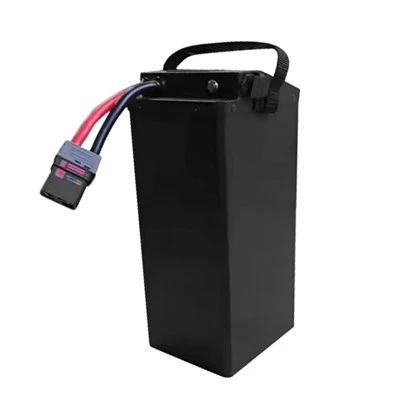
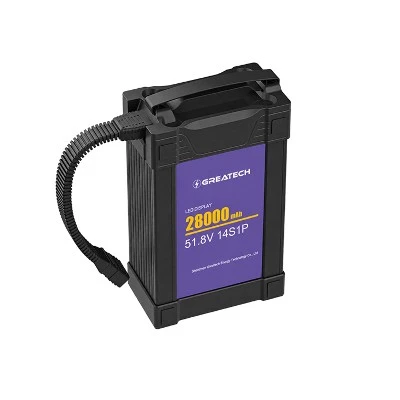
Our company offers a range of 4S batteries, including the 14.8V 10000mAh Lipo Battery, 14.8V 16000mAh Lipo Battery, and 14.8V 22000mAh Lipo Battery. These batteries are designed to meet different power requirements for various applications.
The Concept of Parallel Connection
Connecting batteries in parallel involves linking the positive terminals of all the batteries together and the negative terminals together. The key characteristic of a parallel connection is that the voltage across the battery bank remains the same as the voltage of a single battery, while the total capacity (measured in amp - hours, Ah) is the sum of the capacities of the individual batteries.
For example, if you connect two 4S batteries with a capacity of 5000mAh each in parallel, the resulting battery bank will still have a nominal voltage of 14.8V, but the capacity will be 5000mAh + 5000mAh = 10000mAh.
Benefits of Connecting 4S Batteries in Parallel
Increased Capacity
The most obvious benefit of connecting 4S batteries in parallel is the increased capacity. This means that the battery bank can supply power for a longer period of time. For applications such as drones or electric vehicles, this can translate into extended flight times or longer driving ranges.
Redundancy
Parallel connections also provide a degree of redundancy. If one battery fails, the other batteries in the parallel bank can still supply power, allowing the device to continue operating, albeit with reduced capacity.
Risks and Challenges
Voltage Imbalance
One of the main risks of connecting 4S batteries in parallel is voltage imbalance. If the voltages of the individual batteries are not the same when they are connected in parallel, a current will flow between the batteries until the voltages equalize. This can cause excessive heating and potentially damage the batteries.
To minimize the risk of voltage imbalance, it is crucial to use batteries of the same type, age, and state of charge. Before connecting the batteries in parallel, it is recommended to charge them to the same voltage level using a proper charger.
Over - Discharging
Another risk is over - discharging. When batteries are connected in parallel, they share the load. If one battery has a lower capacity or is in a weaker state, it may discharge faster than the others. This can lead to over - discharging of the weaker battery, which can damage it and reduce the overall lifespan of the battery bank.
Practical Considerations
Battery Compatibility
As mentioned earlier, it is essential to use batteries that are compatible in terms of voltage, capacity, and chemistry. Using batteries from different manufacturers or with different specifications can increase the risk of problems.
Wiring and Connectors
Proper wiring and connectors are crucial when connecting batteries in parallel. The wires should be thick enough to handle the current without excessive voltage drop. High - quality connectors should be used to ensure a secure and low - resistance connection.
Monitoring
Regular monitoring of the battery bank is necessary to detect any signs of voltage imbalance or other issues. This can be done using a battery monitor or a multimeter.


Safety Precautions
Fire and Explosion Hazard
LiPo batteries are known to be flammable and can pose a fire or explosion hazard if not handled properly. When connecting 4S batteries in parallel, it is important to follow all safety guidelines, such as using a fire - resistant container and keeping the batteries away from heat sources.
Charging
When charging a parallel battery bank, it is recommended to use a charger that is designed for parallel charging or to charge the individual batteries separately before connecting them in parallel.
Conclusion
In conclusion, it is possible to connect multiple 4S batteries in parallel, but it requires careful consideration of the technical aspects, risks, and practical considerations. When done correctly, parallel connection can provide increased capacity and redundancy, which can be beneficial for many applications.
If you are interested in purchasing our 4S batteries or have any questions about connecting them in parallel, please feel free to contact us for further discussion. We are committed to providing high - quality batteries and professional advice to meet your power needs.
References
- Battery University: A comprehensive resource for battery knowledge.
- LiPo Battery Safety Guidelines: Published by various battery manufacturers.