







Hey there! As a 24V battery supplier, I often get asked about the float charge voltage for a 24V battery. It's a crucial topic, especially for those who rely on these batteries for various applications, from solar power systems to backup power supplies. So, let's dive right in and explore what float charge voltage is and what the ideal value is for a 24V battery.
First off, what's float charging? Float charging is a method of maintaining a battery at full charge. When a battery is fully charged, instead of disconnecting the charger, a low - level charge is continuously applied to counteract self - discharge. This keeps the battery ready for use at all times. It's like having a full tank of gas in your car, always ready to go.
Now, for a 24V battery, the float charge voltage isn't a one - size - fits - all number. It depends on several factors, including the type of battery. The most common types of 24V batteries are lead - acid batteries, which come in different sub - types such as flooded lead - acid, sealed lead - acid (AGM and Gel).
Let's start with flooded lead - acid batteries. These are the traditional type of lead - acid batteries that you might find in some older backup power systems or large solar installations. For a 24V flooded lead - acid battery, the typical float charge voltage ranges from 25.2V to 25.8V. This voltage range is carefully chosen to keep the battery fully charged without overcharging it. Overcharging a flooded lead - acid battery can cause the electrolyte to break down, releasing hydrogen and oxygen gases. This process, known as gassing, can lead to water loss in the battery, which requires regular maintenance (adding distilled water).
Sealed lead - acid batteries, on the other hand, have different requirements. AGM (Absorbent Glass Mat) batteries are a popular choice for many applications because they are maintenance - free and can handle high - rate discharges. For a 24V AGM battery, the float charge voltage is usually around 25.6V to 26.4V. The slightly higher voltage compared to flooded batteries is because AGM batteries have a different internal structure and can tolerate a bit more voltage without excessive gassing.
Gel batteries are another type of sealed lead - acid battery. They are known for their deep - cycle capabilities and are often used in applications where long - term, reliable power is needed. For a 24V gel battery, the float charge voltage is typically in the range of 25.2V to 25.8V, similar to flooded batteries. Gel batteries are more sensitive to overcharging, so it's important to keep the float charge voltage within this range to prevent damage to the gel electrolyte.
Why is it so important to get the float charge voltage right? Well, if the voltage is too low, the battery won't be fully charged, and it will gradually lose its capacity over time. On the other hand, if the voltage is too high, it can cause overcharging, which leads to premature battery failure. Overcharging can cause the plates in the battery to corrode, reduce the battery's lifespan, and even pose a safety risk due to the release of flammable gases.
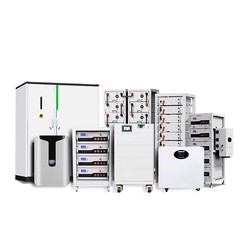
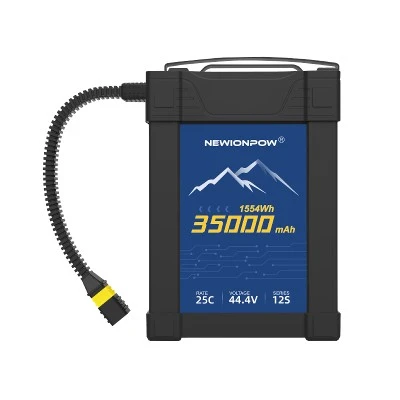
At our company, we offer a wide range of 24V batteries to suit different needs. For example, we have the 24V 400Ah Battery, which is great for large - scale solar power systems or industrial backup power. This high - capacity battery can store a significant amount of energy and is designed to handle continuous float charging.
If you need a more compact option, our 24V 150Ah Battery is a great choice. It's suitable for smaller solar installations or backup power for small businesses. And for those with even more limited space or lower power requirements, our 24V 100Ah Battery provides a reliable and cost - effective solution.
When it comes to charging these batteries, we always recommend using a high - quality charger that can be adjusted to the correct float charge voltage. Many modern chargers come with built - in charge controllers that can automatically adjust the voltage based on the battery type and state of charge. This takes the guesswork out of charging and helps ensure the long - term health of your battery.
In addition to choosing the right float charge voltage, there are other things you can do to extend the life of your 24V battery. Keep the battery in a cool, dry place. High temperatures can accelerate the self - discharge rate of the battery and reduce its overall lifespan. Also, avoid deep discharges whenever possible. Repeated deep discharges can cause irreversible damage to the battery plates.
If you're in the market for a 24V battery or have any questions about float charge voltage, don't hesitate to reach out. We're here to help you make the right choice for your specific application. Whether you're a DIY solar enthusiast or a professional installer, we have the knowledge and products to meet your needs.


In conclusion, the float charge voltage for a 24V battery depends on the type of battery. For flooded lead - acid batteries, it's typically 25.2V - 25.8V, for AGM batteries it's around 25.6V - 26.4V, and for gel batteries, it's 25.2V - 25.8V. By understanding these voltage ranges and taking proper care of your battery, you can ensure reliable performance and a long lifespan. So, if you're looking for a 24V battery, check out our products and let's start a conversation about your requirements.
References:
- Battery University. "Float Charging of Lead - Acid Batteries."
- Trojan Battery Company. "Battery Charging Basics."


