




Hey there! As an 80V battery supplier, I often get asked this question: "Can I replace an 80V lead - acid battery with a lithium - ion one?" Well, let's dive right into it and break it down.
Understanding the Basics
First off, let's talk about what makes these two types of batteries different. Lead - acid batteries have been around for ages. They're reliable in a lot of ways, but they also have their drawbacks. They're heavy, for one thing. You've probably noticed that if you've ever had to lug one around. They also don't have the best energy density. That means they can't store as much energy in a given space compared to lithium - ion batteries.
On the other hand, lithium - ion batteries are the new kids on the block in terms of battery tech. They're lighter, have a higher energy density, and generally last longer. They can also handle more charge - discharge cycles without losing too much capacity.
Compatibility and Voltage
The most important thing when considering replacing an 80V lead - acid battery with a lithium - ion one is voltage. You need to make sure that the lithium - ion battery you're looking at has the same voltage as the lead - acid battery you're replacing. In this case, it's 80V.
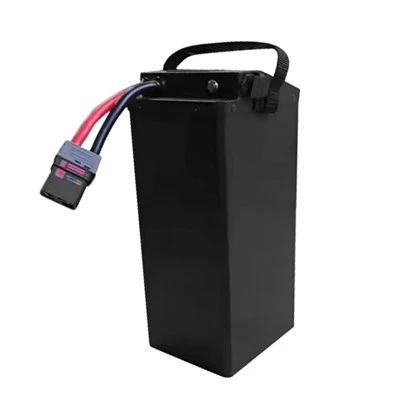
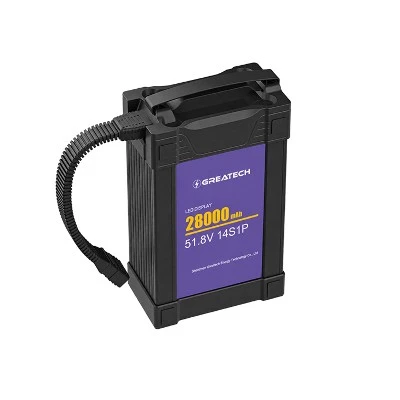
Most modern lithium - ion batteries can be configured to have the right voltage. For example, we offer 80V 50Ah Lithium Ion Battery, 80V 100Ah LiFePo4 Battery, and 80V 200Ah LiFePo4 Battery. These are all designed to have an 80V output, so in terms of voltage, they're a direct replacement for an 80V lead - acid battery.
Charging Systems
Another crucial factor is the charging system. Lead - acid batteries and lithium - ion batteries have different charging requirements. Lead - acid batteries need a specific charging profile to avoid overcharging and sulfation. Lithium - ion batteries, on the other hand, require a different type of charger that can manage the charging process more precisely.
If you're planning to replace your 80V lead - acid battery with a lithium - ion one, you'll likely need to upgrade your charging system. Some lithium - ion batteries come with built - in battery management systems (BMS) that can help regulate the charging process. But it's still a good idea to check with the manufacturer to make sure your charging setup is compatible.
Performance and Long - Term Benefits
When it comes to performance, lithium - ion batteries have a clear edge. They can deliver a more consistent voltage throughout the discharge cycle, which means your device will run more smoothly. They also have a faster charging time compared to lead - acid batteries.
In the long run, lithium - ion batteries can save you money. Even though they're more expensive upfront, they last longer and require less maintenance. You won't have to replace them as often as lead - acid batteries, and you'll save on the cost of maintenance and replacement parts.
Physical Size and Installation
The physical size of the battery is also something to consider. Lithium - ion batteries are generally more compact and lighter than lead - acid batteries. This can be a huge advantage if you're working with limited space. However, you need to make sure that the new lithium - ion battery will fit into the same space as the old lead - acid battery.
Installation can be a bit tricky. You need to make sure that the connections are correct and that the battery is securely mounted. If you're not comfortable doing the installation yourself, it's best to hire a professional.


Safety Considerations
Safety is always a top priority when dealing with batteries. Lead - acid batteries can release hydrogen gas during charging, which is flammable. They also contain sulfuric acid, which is corrosive. Lithium - ion batteries, while generally safer, can still pose a risk if they're not handled properly.
They can overheat or catch fire if they're overcharged, short - circuited, or damaged. That's why it's important to use a battery with a good BMS and to follow the manufacturer's safety instructions.
Making the Decision
So, can you replace an 80V lead - acid battery with a lithium - ion one? The answer is yes, in most cases. But you need to consider all the factors we've talked about, such as voltage, charging systems, performance, physical size, and safety.
If you're still not sure whether a lithium - ion battery is the right choice for you, feel free to reach out to us. We're here to help you make the best decision for your needs. Whether you're looking for a 80V 50Ah Lithium Ion Battery, 80V 100Ah LiFePo4 Battery, or 80V 200Ah LiFePo4 Battery, we've got you covered.
If you're interested in purchasing or have any questions about our 80V batteries, don't hesitate to contact us for a detailed discussion. We're always happy to assist you in finding the perfect battery solution for your requirements.
References
- Linden, D., & Reddy, T. B. (2002). Handbook of Batteries. McGraw - Hill.
- Marschalk, C., & Cairns, E. J. (1997). Batteries: Science, Technology, and Applications. Springer.