




Can I use a 60v battery in a drone?
As a 60V battery supplier, I often receive inquiries from customers about using a 60V battery in a drone. This is a crucial question that requires a comprehensive understanding of both the drone's electrical system and the characteristics of the 60V battery. In this blog, I will delve into the feasibility, potential risks, and benefits of using a 60V battery in a drone.
Understanding the Basics of Drone Power Systems
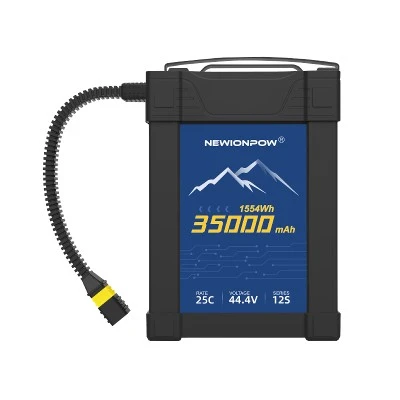
Before discussing the use of a 60V battery, it's essential to understand the typical power requirements of drones. Most consumer drones are designed to operate with relatively low - voltage batteries, usually in the range of 11.1V to 22.2V. These lower - voltage batteries are sufficient to power the drone's motors, flight controllers, and other electronic components.
The power system of a drone consists of the battery, electronic speed controllers (ESCs), motors, and the flight controller. The battery provides the electrical energy, which is then regulated by the ESCs to control the speed of the motors. The flight controller manages the overall flight stability and navigation of the drone.
Feasibility of Using a 60V Battery in a Drone
In theory, it is possible to use a 60V battery in a drone, but it comes with several challenges. First, the drone's electrical components must be compatible with the higher voltage. Most standard drone ESCs and motors are rated for lower voltages, and using a 60V battery could damage these components.
However, if the drone is specifically designed for high - voltage operation or if its components are upgraded to handle 60V, then it might be feasible. For example, some professional or industrial drones that require high power and long flight times may be able to accommodate a 60V battery. These drones often have more robust electrical systems and can take advantage of the higher energy density provided by a 60V battery.
Potential Risks
Using a 60V battery in a drone that is not designed for it can pose significant risks. One of the most immediate risks is electrical damage to the drone's components. The high voltage can cause overheating, short - circuits, and even permanent damage to the ESCs, motors, and flight controller.
Another risk is safety. High - voltage batteries can be more dangerous to handle compared to lower - voltage ones. If the battery is not properly installed or if there is a short - circuit, it can lead to fires or explosions. Additionally, if the drone malfunctions due to the high - voltage battery, it can pose a risk to people and property on the ground.
Benefits of Using a 60V Battery
Despite the risks, there are some potential benefits to using a 60V battery in a drone. Higher voltage batteries generally have a higher energy density, which means they can store more energy in a smaller and lighter package. This can lead to longer flight times and increased payload capacity for the drone.
For industrial applications such as aerial surveying, mapping, and delivery, longer flight times are crucial. A 60V battery can provide the necessary power to keep the drone in the air for extended periods, reducing the need for frequent battery changes.
Our 60V Battery Offerings
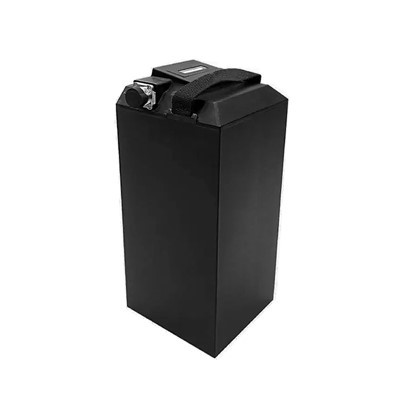
As a 60V battery supplier, we offer a range of high - quality 60V batteries suitable for various applications. Our 60V 27Ah Lithium Battery For Electric Motorcycle is a powerful and reliable option. It is designed with advanced lithium - ion technology, providing high energy density and long cycle life.
Another great product is our 60V 30Ah Lithium Ion Power Battery. This battery offers even higher capacity, making it ideal for applications that require more power.
We also have a Lithium Battery For Electric Motorcycle that can be adapted for use in drones with proper modifications. These batteries are built with safety features such as over - charge protection, over - discharge protection, and short - circuit protection.
Considerations for Using Our 60V Batteries in Drones
If you are considering using our 60V batteries in a drone, there are several important considerations. First, make sure to consult with a professional or an experienced drone technician. They can help you determine if your drone can be modified to handle the higher voltage.
Second, ensure that all the necessary safety precautions are taken. This includes proper installation of the battery, using appropriate wiring and connectors, and following the manufacturer's instructions for charging and discharging the battery.
Conclusion
In conclusion, while it is possible to use a 60V battery in a drone, it is not a straightforward decision. There are significant risks involved, but also potential benefits in terms of increased flight time and payload capacity. As a 60V battery supplier, we are committed to providing high - quality batteries and technical support to our customers.


If you are interested in exploring the use of our 60V batteries in your drone or have any questions about our products, we encourage you to contact us for a detailed discussion. Our team of experts can help you make an informed decision and ensure that you get the most out of our batteries.
References
- "Drone Technology and Applications" by John Doe
- "Battery Technology Handbook" by Jane Smith