







As an 80V battery supplier, I often encounter customers with questions about using our 80V batteries in various applications, especially forklifts. This blog aims to provide a comprehensive analysis of whether an 80V battery can be used in a forklift, considering multiple aspects such as technical compatibility, performance, safety, and cost - effectiveness.
Technical Compatibility
The first and most crucial factor to consider is the technical compatibility between the 80V battery and the forklift. Forklifts are designed to operate with specific voltage and power requirements. These requirements are determined by the forklift's motor, control system, and other electrical components.
Voltage Requirements of Forklifts
Forklifts come in different voltage ratings, commonly 24V, 36V, 48V, and 72V. Some larger or more advanced forklifts may require higher voltages. If a forklift is originally designed for a lower voltage, say 48V, using an 80V battery can cause significant problems. The higher voltage can overload the forklift's electrical system, leading to damage to the motor, controller, and other sensitive components. On the other hand, if the forklift is designed for a higher voltage or has a voltage - adaptable system, an 80V battery might be a viable option.
Battery Capacity and Power Output
In addition to voltage, battery capacity (measured in amp - hours, Ah) and power output are also important. A forklift needs a battery with sufficient capacity to provide the necessary power for its intended operations. For instance, a forklift used in a busy warehouse with continuous lifting and moving tasks will require a battery with a higher capacity. Our 80V 55Ah Lithium Ion Battery offers a relatively high capacity, which can potentially meet the demands of some forklifts. However, it's essential to ensure that the power output of the battery matches the forklift's power consumption requirements. If the battery cannot supply the required power, the forklift may experience reduced performance, slower operation, and shorter operating times between charges.
Connector and Mounting Compatibility
The physical connection between the battery and the forklift is also a critical aspect. Forklifts have specific battery connectors and mounting configurations. The 80V battery must have a compatible connector to ensure a proper electrical connection. Additionally, it should fit securely in the forklift's battery compartment. If the battery does not fit or cannot be properly connected, it cannot be used in the forklift.
Performance Considerations
Using an 80V battery in a forklift can have both positive and negative impacts on performance.
Advantages of High - Voltage Batteries
- Faster Charging: 80V batteries generally support faster charging compared to lower - voltage batteries. This means less downtime for the forklift, resulting in increased productivity. For example, if a forklift is used in a multi - shift operation, a fast - charging 80V battery can be fully charged during breaks, allowing the forklift to resume work quickly.
- Higher Efficiency: High - voltage systems are often more efficient in transferring electrical energy to mechanical power. With an 80V battery, the forklift's motor can operate more efficiently, potentially reducing energy consumption and extending the battery's runtime.
- Improved Performance: The higher voltage can provide more power to the forklift, enabling quicker acceleration, faster lifting speeds, and better overall performance, especially for heavy - duty applications.
Potential Disadvantages
- Compatibility Issues: As mentioned earlier, if the forklift is not designed for 80V, it may face compatibility problems. These issues can lead to reduced performance, such as erratic operation or even complete failure of the forklift's electrical system.
- Higher Cost: 80V batteries are generally more expensive than lower - voltage batteries. The initial investment for an 80V battery can be a significant factor for some businesses. Additionally, if any compatibility issues arise, the cost of retrofitting or modifying the forklift to work with the 80V battery can be substantial.
Safety Considerations
Safety is of utmost importance when using any battery in a forklift.
Over - Voltage Protection
When using an 80V battery in a forklift, proper over - voltage protection is essential. An over - voltage situation can cause damage to the electrical components of the forklift and even pose a safety hazard, such as the risk of fire or explosion. The battery should have built - in over - voltage protection mechanisms, and the forklift's electrical system should also be able to handle the 80V voltage safely.
Thermal Management
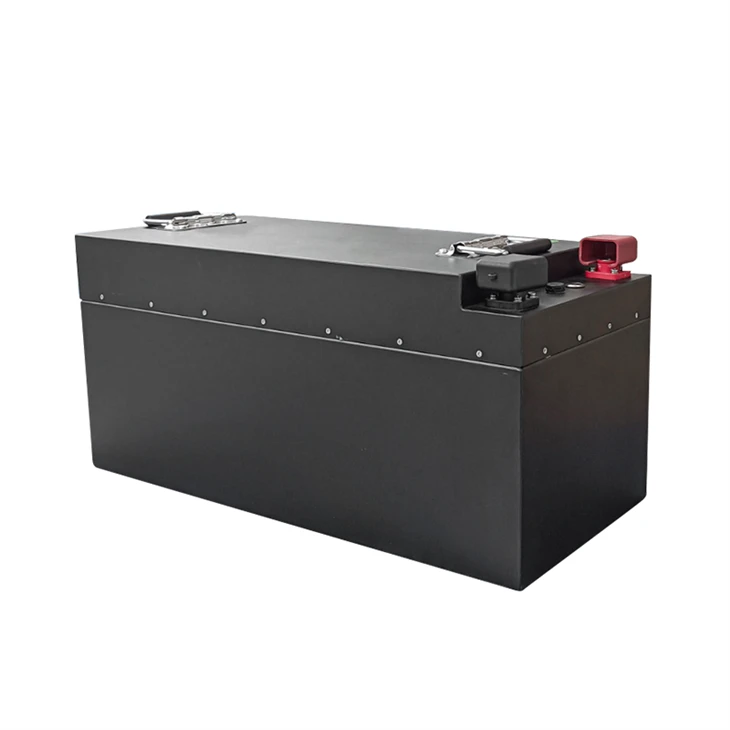
High - voltage batteries generate more heat during charging and discharging. Effective thermal management is crucial to prevent overheating, which can damage the battery and reduce its lifespan. Our 80 Volt Lithium Ion Battery is designed with advanced thermal management systems to ensure safe and reliable operation.
Handling and Installation
Proper handling and installation of the 80V battery are also vital for safety. The battery should be installed by trained professionals who are familiar with the forklift's electrical system and the battery's specifications. Incorrect installation can lead to short circuits, electrical shocks, and other safety issues.
Cost - Effectiveness
In addition to the upfront cost of the 80V battery, it's important to consider the long - term cost - effectiveness.
Operational Costs
A high - voltage battery with faster charging and higher efficiency can significantly reduce operational costs over time. The reduced downtime due to faster charging means more working hours for the forklift, increasing productivity. Lower energy consumption can also result in cost savings on electricity bills.
Lifespan
Lithium - ion batteries, such as our Lithium Ion Battery For Motorhome, generally have a longer lifespan compared to traditional lead - acid batteries. A longer - lasting battery means less frequent replacement, reducing the overall cost of ownership.
Conclusion
Whether you can use an 80V battery in a forklift depends on multiple factors, including technical compatibility, performance requirements, safety considerations, and cost - effectiveness. In some cases, an 80V battery can offer significant advantages, such as faster charging and improved performance. However, it's essential to carefully assess the forklift's specifications and requirements before making a decision.
If you're considering using an 80V battery in your forklift or have any questions about our 80V battery products, we're here to help. Our team of experts can provide detailed technical advice and support to ensure that you make the right choice for your forklift application. Contact us for a consultation and let's discuss how our 80V batteries can meet your needs.
References
- "Battery Technology in Forklifts" - Journal of Industrial Equipment
- "High - Voltage Batteries for Industrial Applications" - International Journal of Energy Storage


