







Can the hoverboard battery be repaired if it has a minor issue?
As a supplier of hoverboard batteries, I often receive inquiries from customers about the repairability of their hoverboard batteries when they encounter minor issues. This is a crucial question, not only for the cost - effectiveness of the users but also for the sustainability of the product. In this blog, I'll delve into the topic to provide you with a comprehensive understanding of whether a hoverboard battery with a minor issue can be repaired.
Understanding Hoverboard Batteries
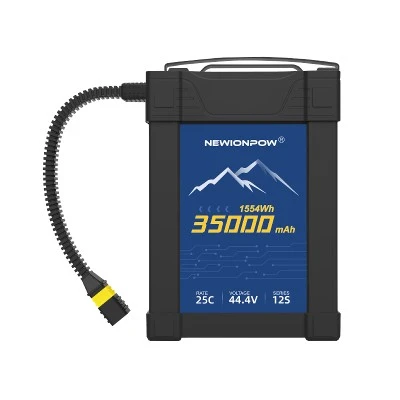
Hoverboard batteries typically use lithium - ion technology due to its high energy density, long cycle life, and relatively low self - discharge rate. These batteries come in various specifications, such as the 25.2V 4Ah 100.8Wh Li - ion Battery Pack for Hoverboard Scooter, 36V 2Ah Scooter Hoverboard Lithium Battery, and 25.2V 2Ah 50.4Wh Lithium Battery Pack Hoverboard Scooter. Each battery is designed to power the hoverboard for a certain period and distance, depending on the power consumption of the hoverboard's motor and other components.
Common Minor Issues with Hoverboard Batteries
- Reduced Capacity: One of the most common minor issues is a reduced battery capacity. Over time, lithium - ion batteries naturally lose their ability to hold a full charge. This can be due to normal wear and tear, overcharging, or exposure to high temperatures.
- Loose Connections: Sometimes, the battery connections inside the hoverboard can become loose. This may cause intermittent power loss or a failure to charge properly.
- Faulty Charge Indicator: The charge indicator on the hoverboard may give inaccurate readings. This could be a simple software glitch or a problem with the sensor that measures the battery's state of charge.
Repairability of Minor Issues
Reduced Capacity
In some cases, a reduced battery capacity can be addressed. If the reduction is due to overcharging or exposure to high temperatures, the battery may benefit from a process called "reconditioning." Reconditioning involves fully discharging the battery and then recharging it slowly. However, it's important to note that this method may only provide a temporary improvement, and the battery will continue to degrade over time. If the capacity loss is due to the natural aging of the battery cells, reconditioning may not be effective, and replacement of the battery cells may be necessary.
Loose Connections
Loose connections are relatively easy to repair. With basic tools and some technical knowledge, you can open the hoverboard and check the battery connections. Make sure to disconnect the battery from the power source before doing any work. Once you've identified the loose connection, you can tighten the screws or re - solder the wires if necessary. However, if you're not confident in your abilities, it's best to seek the help of a professional.
Faulty Charge Indicator
A faulty charge indicator can be more challenging to repair. If it's a software glitch, you may be able to reset the system by following the manufacturer's instructions. In some cases, you may need to update the hoverboard's firmware. If the problem is with the sensor, it may need to be replaced. This requires more advanced technical skills and specialized tools.
Safety Considerations
When attempting to repair a hoverboard battery, safety should be your top priority. Lithium - ion batteries are potentially dangerous if mishandled. They can overheat, catch fire, or even explode if short - circuited or damaged. Always wear appropriate safety gear, such as gloves and safety glasses, when working on the battery. Make sure to follow all safety guidelines provided by the battery manufacturer.
When to Replace Instead of Repair
There are situations where it's more practical to replace the battery rather than repair it. If the battery has suffered significant physical damage, such as a puncture or a swollen cell, it should be replaced immediately. Additionally, if the battery is very old and has experienced multiple issues, replacement may be the best option. A new battery will provide better performance and reliability, and it will also be safer to use.
As a Supplier's Perspective
As a hoverboard battery supplier, I understand the importance of providing high - quality batteries and reliable repair advice. We offer a wide range of batteries with different specifications to meet the diverse needs of our customers. Our batteries are manufactured using the latest technology and strict quality control measures to ensure long - lasting performance.
If you're experiencing minor issues with your hoverboard battery, we're here to help. Our technical support team can provide you with detailed guidance on whether the battery can be repaired and how to do it safely. We also offer replacement batteries at competitive prices, so if repair is not an option, you can easily find a suitable replacement.
Conclusion
In conclusion, some minor issues with hoverboard batteries can be repaired, but it depends on the nature of the problem. Loose connections are generally easy to fix, while issues like reduced capacity and faulty charge indicators may require more effort and technical knowledge. However, safety should always be the top concern when attempting any repairs.


If you're in the market for a new hoverboard battery or need advice on battery repair, we invite you to contact us for procurement and further discussions. Our team is dedicated to providing you with the best solutions for your hoverboard battery needs.
References
- Battery University. "Lithium - Ion Batteries: How They Work and How to Prolong Their Lifespan."
- Hoverboard Manufacturer Manuals.


